How to Transplant Wild blue phlox?
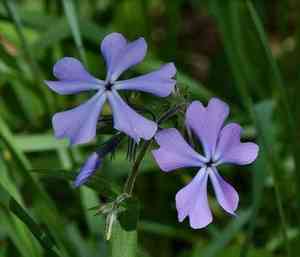
The most favorable period for relocating wild blue phlox is in mid-spring, when mild temperatures facilitate root development. Choose a location with partial shade and damp, permeable soil, and enhance the transplanting process by carefully managing its fragile root system.
What Preparations are Needed Before Transplanting Wild Blue Phlox?
What is the Ideal Time for Transplanting Wild Blue Phlox?
The best time to move wild blue phlox is during mid-to-late spring. This timing allows roots to settle in warming earth while avoiding intense summer heat. Enhance your garden's appeal by transplanting this season for vigorous growth.
How Much Space Should You Leave Between Wild Blue Phlox Plants?
When relocating your wild blue phlox, provide each plant with approximately 1-2 feet (30-60 cm) of space. This ensures ample room for expansion without inter-plant competition. It's simple, friendly gardening to promote development!
What is the Best Soil Mix for Wild Blue Phlox Transplanting?
For optimal growth of wild blue phlox, select well-draining soil, which can be improved by incorporating organic matter. A potassium-rich granular fertilizer will establish a strong foundation. It's straightforward and excellent for novices!
Where Should You Relocate Your Wild Blue Phlox?
Seek a spot that receives full sun to partial shade for your wild blue phlox. They appreciate sunlight but also thrive with some shade. Again, perfect for new gardeners seeking resilient plants!
What Equipments Should You Prepare Before Transplantation Wild Blue Phlox?
Gardening Gloves
To shield your hands from dirt and sharp plant edges.
Garden Shovel
A small one is ideal for excavating wild blue phlox without significantly disturbing its root ball.
Garden Trowel
For digging the new planting hole and adding compost.
Compost
High-quality organic compost is advised to provide a nutrient boost to wild blue phlox at the new site.
Watering Can
For hydrating the plant before and after its relocation.
Mulch
To aid in retaining soil moisture and preventing weed root competition.
How Do You Remove Wild Blue Phlox from the Soil?
How Do You Remove Wild Blue Phlox from the Soil?
From Ground: Hydrate the wild blue phlox plant to moisten the earth, which will facilitate removal. Then, carefully dig a wide trench around the plant with a small garden shovel to prevent root damage. The goal is to keep the plant's root ball intact, so work gently and cautiously slide the shovel beneath the root ball to lift the plant.From Pot: Water the wild blue phlox plant to loosen the soil. Then, gently tip the pot and extract the plant, keeping the root ball whole. Often, you can compress or tap the pot's sides to simplify the task. Some pots have a bottom hole through which you can push.From Seedling Tray: As wild blue phlox is a larger plant species, it is less likely to be started in a seedling tray, but the method still applies. To remove wild blue phlox from a seedling tray, watering the soil first is crucial to maintain root integrity. Gently use your fingers or a small tool to push up the soil and plant from the hole below.
Step-by-Step Guide for Transplanting Wild Blue Phlox
Prepare the Transplant Site
Excavate a hole with the garden trowel at the new location, approximately twice as wide and as deep as the wild blue phlox's root ball. Incorporate a layer of compost at the bottom of the hole for additional nutrients.
Transplanting
Carefully place the wild blue phlox into the hole, positioning it at the same depth it was in its original spot. Slowly backfill the hole with the remaining soil, gently firming the soil around the plant's base.
Watering
Water the wild blue phlox immediately after transplanting. This will help the plant settle into its new environment and establish more quickly.
Mulching
Spread a layer of mulch around the base of wild blue phlox. This will assist in maintaining soil moisture and reducing weed competition.
How Do You Care For Wild Blue Phlox After Transplanting?
Watering
Keep the soil damp but not waterlogged. Wild blue phlox prefers consistently moist soil. Over the subsequent weeks, monitor watering needs based on weather conditions.
Pruning
Trim any withered or yellowed leaves to encourage new growth and healthy plant development.
Monitoring
Stay vigilant for signs of transplant shock, which may include wilting, yellowing, or dropped leaves. If these symptoms appear, ensure proper watering and consider an organic plant tonic to aid recovery.
Disease and Pest Check
Regularly inspect wild blue phlox for common pests and diseases. Early detection and intervention will keep your plant thriving.
Troubleshooting Common Issues with Wild Blue Phlox Transplantation.
What's the best time of year to transplant wild blue phlox?
The optimal period to relocate wild blue phlox is between late spring and early summer (S2-S3). This provides the plant ample time to establish roots before winter.
How much spacing do I need between each wild blue phlox when transplanting?
Wild blue phlox thrive better with room to expand. Maintain a good distance of 1-2 feet (30-60cm). This offers each plant sufficient space for growth and overall vitality.
What type of soil is best for transplanting wild blue phlox?
Wild blue phlox prefer loamy and well-drained soil. The soil should be slightly acidic to neutral. Enriching the soil with organic matter can also help the transplanted plant flourish.
What's the appropriate depth for planting wild blue phlox during transplantation?
When transplanting wild blue phlox, ensure you plant them at the same depth they were in their original location. Typically, this would be around 2 inches (5 cm) deep.
How much sunlight exposure does wild blue phlox need post-transplant?
Wild blue phlox prefers partial shade but can adapt to full sun exposure. Make sure the chosen location provides this balance of sun and shade after transplant.
How frequently should I water wild blue phlox after transplanting?
Water wild blue phlox thoroughly immediately following the transplant. Consistent watering is vital in the initial few weeks. Once established, they can tolerate moderate dry spells.
What should I do if the transplanted wild blue phlox starts wilting?
If your wild blue phlox begins to wilt post-transplant, it may be experiencing transplant shock. Water it lightly, shield it from strong sun and wind, and allow it time to adjust.
How do I deter pests from the transplanted wild blue phlox?
Maintain good sanitation and avoid overhead watering. If pests persist, consider using an organic or mild synthetic pesticide suitable for wild blue phlox.
Why are the leaves of my transplanted wild blue phlox yellowing?
Yellow leaves may indicate overwatering or poorly drained soil. Wild blue phlox requires well-drained soil. Adjust your watering schedule and amend the soil if necessary.
Can wild blue phlox be transplanted in containers?
Yes, wild blue phlox can thrive in containers provided they are wide and deep enough to accommodate the root spread. Remember to ensure good drainage in the container.



