Optimal Soil for Growing Wild blue phlox: What You Need to Know
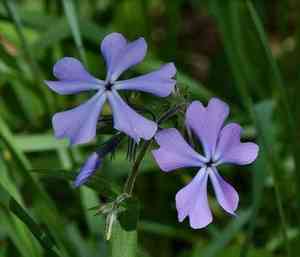
1
Wild blue phlox flourishes in ground with a pH level between 6.5 and 7.5.
2
Incorporating organic material enhances soil composition and nutrient access for Wild blue phlox.
3
Adequate soil ventilation averts root ailments and fosters robust development.
What Kind of Substrate Does Wild Blue Phlox Require?
Substrate Texture
For Wild blue phlox, the texture of the substrate is vital. This lovely flowering plant thrives in loamy soil, which provides an ideal mix of sand, silt, and clay. Loamy soil ensures proper water drainage while retaining moisture, creating a stable environment for root systems. Dense clay or sandy substrates can impede Wild blue phlox growth by affecting air circulation and water retention.
Substrate pH
The ideal pH range for Wild blue phlox is between 6.5 and 7.5. A neutral to slightly acidic setting supports nutrient availability, ensuring the plant obtains the necessary elements it needs. You can test your soil's pH using a simple kit, available at most garden centers. If your substrate falls outside this range, you may need to modify it by adding lime to raise pH or sulfur to lower it.
Organic Material
Incorporating organic material like compost or well-decomposed manure into the substrate benefits Wild blue phlox. Organic matter enhances soil structure, improves water retention, and offers a slow-release source of nutrients. Whether planting in garden beds or containers, mix organic matter into the substrate to a depth of at least 15-20 cm (6-8 inches). This enriches the soil, leading to healthier and more robust plants.
How to Prepare Substrate for Wild Blue Phlox Planting?
Clearing the Planting Zone
Start by thoroughly clearing the planting area. Remove all weeds, debris, rocks, or old plant material that could impede growth. Weeds compete with Wild blue phlox for nutrients and water, so a clean start is crucial. Use a garden fork or tiller to turn the soil, ensuring you reach a depth of about 30 cm (12 inches). This loosens the substrate and facilitates root establishment.
Amending the Substrate
Once the area is clear, it's time to amend the substrate. Depending on your soil's current state, incorporate organic matter such as compost, peat moss, or aged manure. For each square meter (approximately 10 square feet), spread a 5-10 cm (2-4 inches) layer of organic matter over the soil surface. Work it into the top 30 cm (12 inches) of soil using a garden fork or tiller. This enriches the substrate and improves its structure, drainage, and nutrient content.
Substrate Aeration
Good substrate aeration is essential for the health of Wild blue phlox plants. Regularly aerate the soil to prevent compaction, which can hinder root growth and water infiltration. You can aerate the substrate using a hand aerator or a garden fork. Simply insert the tool into the soil every 20-30 cm (8-12 inches) and rock it back and forth to create small holes. This allows air, water, and nutrients to reach the roots more effectively.
How to Maintain Substrate Health for Wild Blue Phlox?
Mulching
Mulching helps retain soil moisture, reduce weed growth, and regulate soil temperature. Apply a 5-8 cm (2-3 inches) layer of organic mulch, such as shredded bark, leaf mold, or straw around the base of Wild blue phlox plants. Be careful not to pile mulch against the stems, as this can lead to rot. Mulching not only benefits the plants but also enhances the garden's overall appearance.
Irrigation Techniques
Proper irrigation methods are crucial for maintaining healthy substrate for Wild blue phlox. Water the plants deeply but infrequently, allowing the soil to dry out slightly between watering sessions. This encourages roots to grow deeper and become more resilient. Early morning watering is ideal, as it reduces evaporation and allows leaves to dry before evening. Avoid overhead watering to prevent fungal issues; instead, use a soaker hose or drip irrigation system.
Fertilization
Even with nutrient-rich substrate, Wild blue phlox benefits from regular fertilization. During the growing season, apply a balanced, slow-release fertilizer or an organic option like compost tea. Follow the instructions on the fertilizer package for the correct dosage. Avoid over-fertilizing, as this can lead to excessive foliage growth at the expense of flowers. A soil test can help determine specific nutrient needs and guide your fertilization routine.
Common Substrate Issues and Solutions for Wild Blue Phlox
Substrate Compaction
Substrate compaction can restrict root growth and water penetration, severely impacting the health of Wild blue phlox. Combat compaction by aerating the soil regularly. Avoid walking on garden beds or working the soil when it's wet, as this can worsen compaction. Adding organic matter can also help improve soil structure and reduce compaction over time.
Nutrient Deficiencies
Wild blue phlox can suffer from nutrient deficiencies if the substrate lacks essential minerals. Symptoms include yellowing leaves and stunted growth. A soil test can identify specific deficiencies. To address these, amend the soil with the necessary nutrients, such as nitrogen, phosphorus, or potassium. Using a balanced fertilizer or targeted supplements can restore soil health and promote vigorous plant growth.
Poor Drainage
Poor substrate drainage can lead to root rot and other issues. Ensure your planting site has good drainage by avoiding low-lying areas and amending heavy clay soils. Raised beds can provide better drainage, and incorporating sand or fine gravel into the soil can improve its porosity. If water tends to pool in your garden, creating drainage ditches or installing a simple drainage system can help divert excess water away.



