How Much Sunlight Do Wild blue phlox Need?
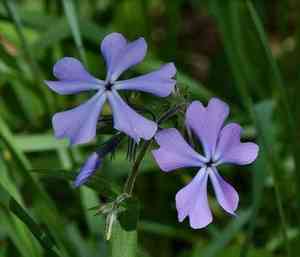
1
Wild blue phlox flourishes optimally with a minimum of six hours of direct sun each day.
2
Adequate sun exposure aids Wild blue phlox in developing vivid flowers.
3
Observing the hue of the leaves can assist in detecting insufficient sunlight promptly.
Grasping Light Needs for Wild blue phlox
Full Sun vs. Partial Shade
For Wild blue phlox, balancing full sun and partial shade is crucial. This lovely perennial thrives where it gets ample morning sun but is shielded from intense afternoon rays. Ideally, it benefits from full sun, meaning at least six hours of direct sunlight daily. However, it can handle partial shade, especially in warmer climates where too much sun might cause stress and dry out the plant.
Optimal Daily Light Exposure
Wild blue phlox flourishes with a minimum of six hours of sunlight each day. This duration provides enough energy for its vibrant blooms and lush leaves. In regions with very strong sun, offering some shade during the hottest part of the day can help reduce heat stress. This balance encourages peak growth and prevents harm from excessive light.
Advantages of Proper Light for Wild blue phlox
Enhanced Flowers and Development
A key benefit of giving Wild blue phlox adequate sunlight is the improvement of its flowers. With sufficient light, the plant produces more vivid and abundant blooms. Solar energy is vital for photosynthesis, fueling growth and keeping the plant healthy and strong. Consistent light exposure leads to a more robust plant, showcasing its stunning blossoms fully.
Disease Resistance
Appropriate sunlight exposure also plays a critical role in the plant's ability to resist diseases. Sunlight helps keep leaves dry, lowering the risk of fungal infections and other problems that thrive in damp conditions. Healthy, sun-exposed Wild blue phlox plants are often more resilient and less prone to common plant ailments, making sunlight essential for overall plant health.
Adjusting Light for Various Growing Conditions
Container Cultivation
If you're growing Wild blue phlox in pots, you have the advantage of easily moving them to ensure optimal sunlight. Place your containers where they can receive morning sun and benefit from some afternoon shade. This mobility is a significant asset in maintaining the right light conditions, especially in areas with changing weather patterns.
Garden Bed Placement
When planting Wild blue phlox in garden beds, careful positioning is vital. Choose spots that offer consistent light exposure. An area that gets direct morning sun and partial shade in the hot afternoon is perfect. You can also plant Wild blue phlox near taller plants or structures that provide shade during peak sun intensity, helping to lessen potential heat stress.
Identifying Light Deficiency in Wild blue phlox
Common Signs of Insufficient Light
Recognizing light deficiency in Wild blue phlox is crucial for early intervention. Typical signs include leggy growth, where stems are elongated with sparse leaves, and pale or yellowing foliage. Additionally, a lack of blooming despite the season can signal inadequate light. These symptoms suggest the plant isn't getting the necessary sunlight to thrive.
Corrective Actions
If you observe signs of light deficiency in your Wild blue phlox, take prompt corrective action. Move container plants to brighter locations and consider trimming nearby plants or structures casting too much shade. For garden bed plants, pruning surrounding vegetation to increase light exposure or transplanting them to a more suitable spot can fix the issue. Ensuring your Wild blue phlox gets enough sunlight will promote healthier growth and more vibrant blooms.



