Enhancing Your Garden Design with the Wild blue phlox Plant: A Landscaping Guide
1
Place Wild blue phlox in areas with partial shade for best development.
2
Rich, well-draining soil supports Wild blue phlox's health year-round.
3
Wild blue phlox complements other garden flora and landscape elements nicely.
Appreciating the Visual Charm of Wild Blue Phlox
The distinct color range of Wild blue phlox and its contribution to garden aesthetics
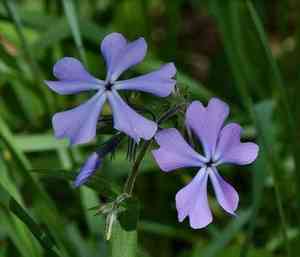
Wild blue phlox showcases a remarkable palette that effortlessly elevates any garden's visual appeal. Typically, its blossoms exhibit hues of pale blue, lavender, and occasionally white. This calming color scheme fosters a serene and peaceful ambiance, making it an ideal choice for gardens designed for relaxation. In landscape planning, Wild blue phlox acts as a gentle visual contrast to plants with more intense colors, creating a balanced and pleasing view.
Yearly visual adaptations of Wild blue phlox throughout the seasons
A key characteristic of Wild blue phlox is its capacity to adapt and enhance your garden across various seasons. In early spring, it bursts into bloom with vibrant flowers, offering a much-needed splash of color post-winter. As the year progresses, the plant's foliage remains verdant, maintaining a green presence even when flowers are scarce. This continuous visual interest makes Wild blue phlox a versatile plant for year-round beauty in your landscape.
Visual distinctions between Wild blue phlox and typical garden flora
When designing your garden, Wild blue phlox can provide a beautiful contrast to more common garden plants. Against evergreens or dark-leafed plants, the light blue and lavender tones of Wild blue phlox stand out, creating an eye-catching focal point. This contrast can also be used strategically to highlight specific garden areas, adding depth and dimension to your landscape design.
Ideal Planting Locations for Wild Blue Phlox
Understanding light requirements for peak development
Wild blue phlox thrives best in areas with partial to full shade. While it can endure some direct sun, excessive exposure can lead to reduced flowering and foliage stress. An optimal planting spot would be beneath the canopy of larger trees or in shaded garden corners where it can receive dappled sunlight. Ensuring the right light level will allow Wild blue phlox to flourish and maintain its vibrant color throughout its growing period.
Soil preferences and specific drainage needs for Wild blue phlox
For Wild blue phlox to grow robustly, it requires well-drained, nutrient-rich soil. Sandy loam or humus-rich soils that retain moisture without becoming waterlogged are particularly beneficial. Poor drainage can result in root rot, which is detrimental to the plant's health. By amending your garden soil with organic matter like compost, you can provide the ideal growing medium that meets both the nutritional and drainage requirements of Wild blue phlox.
Optimal spacing and proximity guidelines when planting Wild blue phlox
When incorporating Wild blue phlox into your garden, space them approximately 12-18 inches apart to ensure adequate air circulation and growth. This distance helps prevent overcrowding, reducing the risk of fungal infections and other growth-related issues. Since Wild blue phlox can spread over time, planning ample space in advance ensures they have room to thrive without aggressively competing with neighboring plants for resources.
Integrating Wild Blue Phlox with Other Garden Elements
Companion plants that enhance the appearance and growth of Wild blue phlox
To elevate your garden's beauty, pair Wild blue phlox with complementary plants such as ferns, hostas, and other shade-loving perennials. These plants share similar growing conditions and create a cohesive aesthetic when planted together. The varied textures and forms of these companions can enhance the visual appeal of Wild blue phlox, making your garden appear lush and full.
Creative approaches for combining Wild blue phlox with hardscaping features
Integrating Wild blue phlox with hardscaping elements like garden paths, stone walls, or water features can create a striking contrast between the soft, natural beauty of the plants and the structured elements of your landscape. Planting Wild blue phlox along walkways or at the base of retaining walls can highlight these architectural features while softening hard lines, resulting in a more balanced and inviting garden design.
Tips for establishing focal points in the garden using Wild blue phlox
To make Wild blue phlox a focal point in your garden, consider planting them in clusters or mass plantings. This approach creates a more pronounced visual impact and naturally draws the eye. Positioning these clusters near garden entrances or along curving paths helps highlight these areas, ensuring Wild blue phlox stands out as a key feature of your landscape design.
Maintenance Advice for Enduring Beauty of Wild Blue Phlox
Seasonal care routines to ensure Wild blue phlox thrives
To maintain the health and beauty of Wild blue phlox, implement seasonal care routines. In early spring, apply a layer of mulch to retain soil moisture and suppress weeds. Water regularly during dry spells, especially in summer, to prevent the soil from drying out. In the fall, trimming back dead foliage and applying a light compost topdressing will ensure Wild blue phlox is well-prepared for the winter months ahead.
Addressing common pests and issues in Wild blue phlox
Although Wild blue phlox is relatively hardy, it can occasionally be affected by pests such as aphids and spider mites. Regular inspection and prompt action, such as using insecticidal soap or neem oil, can effectively control these pests. Additionally, ensuring good air circulation around plants can help prevent fungal issues like powdery mildew, keeping Wild blue phlox healthy and vibrant.
When and how to prune Wild blue phlox for peak health and appearance
Pruning Wild blue phlox after its blooming period helps promote bushier growth and more abundant flowers in the subsequent season. Deadhead spent flowers to encourage continuous blooming throughout the growing season. In late fall or early spring, trim back any overgrown or damaged stems to maintain a tidy appearance and prevent disease. Regular pruning keeps Wild blue phlox vigorous and visually appealing.



