The Wild blue phlox Plant Advantage: Maximizing Home and Office Appeal and Wellness
1
Wild blue phlox is recognized for drawing in helpful pollinators like bees and butterflies.
2
Wild blue phlox flourishes in shaded, forested environments, making it ideal for improving neglected garden spots.
3
This flora aids in improving soil health by fostering beneficial microbial processes.
Why Cultivate Wild Blue Phlox in Your Garden?
Luring Beneficial Pollinators
A key advantage of cultivating Wild blue phlox is its appeal to vital pollinators like bees and butterflies. These insects are crucial for plant reproduction, boosting biodiversity and your garden's overall health. By planting Wild blue phlox, you support these essential creatures and foster a flourishing, balanced ecosystem.
Improving Underutilized Garden Areas
Wild blue phlox thrives in shaded, wooded settings, making it perfect for challenging, low-light garden spots often left unused. Introducing Wild blue phlox to these areas can transform drab spaces into lush, green havens, adding depth and variety to your garden design while meeting the needs of shade-loving plants and animals.
How Does Wild Blue Phlox Enhance Soil Health?
Fostering Soil Microbial Activity
Healthy soil is the bedrock of any successful garden, and Wild blue phlox can play a key role in its upkeep. This plant encourages the growth and activity of beneficial soil microbes, which are vital for nutrient cycling and soil structure. These microbes aid in breaking down organic matter, making nutrients more available to other plants and improving overall soil fertility.
Minimizing Soil Erosion
Beyond promoting microbial activity, Wild blue phlox also helps reduce soil erosion. Its root system binds soil particles, preventing them from being washed away by rain or wind. This is especially beneficial on sloped or uneven terrain, where erosion can be a major concern. By planting Wild blue phlox, you can help stabilize the soil and preserve your garden's landscape integrity.
What Are the Aesthetic Advantages of Growing Wild Blue Phlox?
Adding Vibrant Color
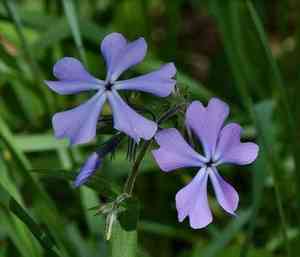
Wild blue phlox is renowned for its beautiful, vivid flowers, which can inject a burst of color into any garden. The blooms typically appear in shades of blue, purple, and sometimes white, creating a visually striking contrast against the green foliage. This can be particularly effective in woodland gardens or as part of a mixed border.
Creating Natural Ground Cover
Beyond its floral beauty, Wild blue phlox also serves as an excellent ground cover. Its spreading growth habit allows it to blanket the garden surface, covering bare soil and suppressing weeds. This not only keeps your garden looking neat but also reduces the need for frequent weeding, saving you time and effort.
Is Wild Blue Phlox Simple to Maintain?
Low Maintenance Needs
A significant benefit of Wild blue phlox is its minimal care requirements. Once established, this plant needs little attention, making it ideal for both new and experienced gardeners. It is relatively drought-tolerant and can thrive in poor soil, provided it has adequate shade and occasional watering during prolonged dry spells.
Pest and Disease Resistance
Wild blue phlox is generally resistant to many common garden pests and diseases, reducing the need for chemical treatments. This resilience means you can enjoy a healthier garden environment with fewer inputs and less effort, allowing you to focus more on appreciating your garden and less on its upkeep.



