How to Prune Wild blue phlox?
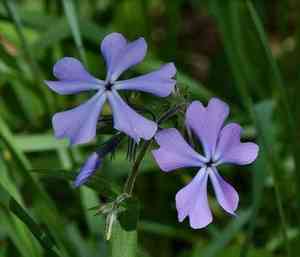
A consistent choice for shaded areas, wild blue phlox features aromatic blossoms. To sustain its vitality, trim stems following the initial flowering to stimulate a subsequent bloom. In early spring, prune to sculpt and foster a denser form, eliminating any deceased or frail stems. Removing spent flowers extends the period of bloom. Pruning in late summer ought to be minimal, concentrating on the plant's well-being without encouraging fresh development susceptible to frost damage. Advantages of pruning encompass averting diseases and boosting floral production.
What Are the Benefits of Pruning Wild Blue Phlox?
What Are the Benefits of Pruning Wild Blue Phlox?
Trimming wild blue phlox promotes robust development and maintains its compact shape, crucial for peak health and visual appeal.
What Is the Best Time for Pruning Wild Blue Phlox?
What Is the Best Time for Pruning Wild Blue Phlox?
Pruning wild blue phlox in early spring is optimal, aligning with its post-dormancy growth cycle. This timing allows for shaping and encourages new, vibrant blooms. Late summer trimming helps manage size, prevents overcrowding, and improves air circulation, reducing disease risk. Additionally, post-bloom pruning removes spent flowers, potentially stimulating a secondary, albeit less vigorous, bloom and preparing the plant for the next season.
What Tools Do I Need to Prune Wild Blue Phlox?
Hand Pruners
Wild blue phlox is a relatively small, delicate perennial, making hand pruners perfect for precise cuts without plant damage. They are suitable for deadheading and post-flowering trimming.
Pruning Shears
For shaping and encouraging bushier growth, pruning shears can be used on softer, green stems of wild blue phlox. They provide a clean cut, essential for healthy regrowth.
Gardening Gloves
Wearing gardening gloves is advised when pruning wild blue phlox to protect hands from scratches and potential skin irritation from plant contact.
Garden Scissors
If only minor trimming is needed, garden scissors offer precision, especially for cutting individual stems or dead leaves near the ground without harming adjacent plant material.
How to Prune Wild Blue Phlox
Step1: Timing for Pruning
Wait until late spring or early summer, after wild blue phlox has finished blooming, before beginning to prune.
Step2: Pruning Tool Sanitization
Sanitize your pruning shears with a solution of one part bleach to nine parts water to prevent the spread of disease.
Step3: Removing Dead Stems
Start by removing any dead stems from wild blue phlox. Cut these stems back to the base of the plant, making sure to cut just above a healthy set of leaves to encourage new growth.
Step4: Identifying Aged Blossoms
Identify aged blossoms of wild blue phlox that have finished their blooming cycle. Look for flowers that are wilting, discolored, or drying out.
Step5: Deadheading Spent Blooms
Snip off the aged blossoms of wild blue phlox at the stem just below the flower head. This process, called 'deadheading', encourages wild blue phlox to produce new flowers and can prolong the blooming period.
Step6: Proper Cutting Angle
Make all cuts at a 45-degree angle to prevent water accumulation, which can lead to rot or disease.
Step7: Fertilizing After Pruning
After pruning, apply a balanced, slow-release fertilizer to support healthy regrowth in wild blue phlox.
Step8: Watering Post-Pruning
Water wild blue phlox deeply after pruning and fertilizing to help settle the soil around the roots and to encourage new growth.
Step9: Mulching Around the Plant
Mulch around the base of wild blue phlox to maintain soil moisture and temperature, but keep mulch away from the plant's central crown to prevent rot.
Step10: Pest and Disease Monitoring
Monitor wild blue phlox for signs of insects or disease after pruning and take appropriate measures if any are detected.
Step11: Debris Disposal and Management
Dispose of all cuttings and debris from wild blue phlox to prevent disease and pests from spreading in the garden.
Post-Pruning Care for Wild Blue Phlox
Post-Pruning Care for Wild Blue Phlox
Immediately after pruning wild blue phlox, water generously to alleviate stress and aid recovery. Maintain partial shade to avoid intense sun, ensuring good air circulation to minimize disease risk. Adjust humidity and temperature to mimic early spring conditions. Following pruning, apply a balanced, slow-release fertilizer for essential nutrients, fostering new growth. Regularly inspect wild blue phlox for wilting, discoloration, or infection. If symptoms appear, treat promptly with suitable fungicides or insecticides, and adjust care as needed.
Common Pruning Mistakes with Wild Blue Phlox
Avoid over-pruning to prevent plant stress
Excessive pruning is a common error, where too much foliage or too many stems are removed from wild blue phlox, potentially stressing the plant and reducing its vitality.
Do not cut into woody base without green shoots
Cutting into the woody base of wild blue phlox without leaving any green shoots can harm the plant, as it relies on green shoots for photosynthesis and regeneration.
Prune dry, use clean tools to prevent disease spread
Pruning wild blue phlox when wet can spread diseases. Using uncleaned pruning tools can also introduce pathogens that can harm wild blue phlox.
Deadhead promptly to reserve energy for growth
Removing faded flowers too late or not at all can cause wild blue phlox to expend energy on seed formation instead of preparing for the next season's growth.
Thin center stems for better air flow and health
Neglecting to thin the center of wild blue phlox can lead to poor air circulation, making the plant susceptible to fungal diseases.
Common Pruning Tips for Wild Blue Phlox
Use clean, sharp tools for healthy cuts
Always use clean, sharp tools when pruning wild blue phlox to ensure precise cuts that heal quickly, reducing disease risk.
Deadhead spent blooms to encourage more flowers
Snip off spent flower heads of wild blue phlox shortly after blooming to promote further flowering and prevent unwanted self-seeding.
Lightly shape after flowering, avoid deep cuts
After blooming, lightly prune wild blue phlox to shape the plant and maintain its desired size. Be careful not to cut too deeply into the woody base.
Improve circulation with center stem thinning
Thinning out some stems from the center of wild blue phlox can help improve air circulation and sunlight penetration, which are important for maintaining the health of the plant.
Cut back leggy plants for denser growth
If wild blue phlox becomes leggy or sparse, cutting back the plant more substantially after flowering can encourage denser, more vigorous growth.



