How to Overwinter Wild blue phlox
1
Wild blue phlox is resilient and tolerates cold temperatures, simplifying its winter care compared to delicate species.
2
Examine your plant for insects and illnesses prior to winter to avoid problems during its inactive period.
3
Appropriate irrigation and fertilization are vital for your Wild blue phlox to flourish throughout the colder season.
The Importance of Overwintering Wild blue phlox
Why Overwinter Wild blue phlox?
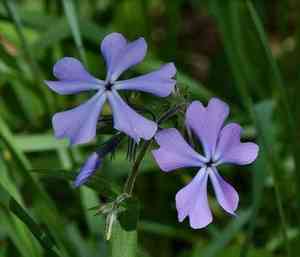
Overwintering your Wild blue phlox (Phlox divaricata) is essential for ensuring its health and vigor in the spring. This robust plant can endure frost, but providing a little extra care helps it emerge stronger and more vibrant. By taking measures to safeguard your plant during the colder months, you can enjoy its beautiful blossoms annually. Overwintering also helps prevent potential harm from severe weather, pests, and diseases.
Preparing Wild blue phlox for Winter
Assessing Plant Health
Start by checking your Wild blue phlox for any indications of pests or illness. Look for discolored or withered leaves, spots, or unusual growths. Detecting these problems early can prevent them from worsening throughout winter. Remove any affected plant parts to limit disease spread.
Trimming and Cleaning
Trim your Wild blue phlox to remove any dead or damaged stems. This not only helps the plant conserve energy during winter but also enhances air circulation, reducing the risk of fungal infections. Additionally, clear away any fallen leaves or debris around the plant's base to prevent pests from finding a cozy winter refuge.
Winter Watering and Feeding
Adjusting Watering Schedule
As temperatures decrease, reduce the frequency of watering your Wild blue phlox. Overwatering can lead to root rot, especially if the soil remains waterlogged for extended periods. Aim to keep the soil just barely moist, watering only when the top few centimeters (inches) of soil are dry. This approach ensures the plant stays hydrated without the risk of excessive moisture.
Nutrient Management
Feeding your Wild blue phlox during winter is generally not required, as the plant's growth slows. However, a light application of a balanced, slow-release fertilizer in late autumn can help the plant store nutrients for the upcoming growing season. Avoid over-fertilization, which can cause new growth that is more susceptible to cold damage.
Common Issues and Solutions for Overwintering Wild blue phlox
Pest and Disease Control
During winter, pests and diseases can still threaten your Wild blue phlox. Watch out for common problems like spider mites and powdery mildew. Regularly inspect your plant and take action if you notice any signs of infestation. Consider using horticultural oil or insecticidal soap for pests, and ensure good air circulation to prevent fungal diseases.
Preventing Frost Damage
To protect your Wild blue phlox from frost damage, cover the plant with a frost cloth or burlap when extreme cold is anticipated. Ensure the cover is secured but allows some air circulation to prevent moisture buildup. If possible, plant your Wild blue phlox in a location shielded from harsh winds, as wind chill can worsen frost damage.



