How to Transplant Selloum?
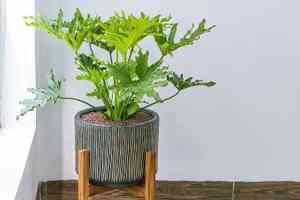
Relocating selloum is most effectively carried out from mid-spring through late spring or during autumn to facilitate peak development. Select a spot with ample, diffused illumination and soil that drains efficiently. During the repotting process, exercise caution to avoid harming the root structure, which will aid in a more seamless adjustment for the plant.
What Preparations are Needed Before Transplanting Selloum?
What is the Ideal Time for Transplanting Selloum?
The optimal period to relocate selloum is from mid-spring to late-spring or mid-fall to late-fall. These seasons offer prime growing conditions and encourage robust root development, ensuring a flourishing selloum in your garden.
How Much Space Should You Leave Between Selloum Plants?
To provide your selloum ample room to expand and flourish, it's advisable to space them approximately 6-8 feet (1.8-2.4 meters) apart. This ensures each plant has sufficient area to spread and receive adequate nutrients and hydration.
What is the Best Soil Mix for Selloum Transplanting?
For optimal outcomes when relocating your selloum, prepare a well-draining soil mixture with a pH ranging from 6.0 to 7.0. Incorporate a foundational fertilizer containing balanced amounts of nitrogen, phosphorus, and potassium to support healthy development.
Where Should You Relocate Your Selloum?
Your selloum will thrive best in a spot receiving bright, indirect sunlight, as direct sun exposure can scorch its foliage. Select a location with dappled shade or one shielded from intense afternoon sun for the best results.
What Equipments Should You Prepare Before Transplantation Selloum?
Gardening Gloves
To safeguard your hands while handling the soil and selloum plant.
Trowel or Spade
To excavate the plant from its original spot and prepare the new planting cavity.
Pruning Shears
To trim any lifeless or damaged roots prior to relocation.
Wheelbarrow or Garden Cart (optional)
To move the plant from one place to another.
Garden Fork
To loosen the earth in the new planting zone.
Watering Can
To hydrate the plant following its relocation.
How Do You Remove Selloum from the Soil?
How Do You Remove Selloum from the Soil?
- From Ground:First, irrigate the selloum plant to soften the earth. Then, excavate a wide circle around the plant using a trowel or spade, ensuring the plant's root ball remains intact. Gently work the spade beneath the root ball to lift the plant from its initial position.- From Pot:Thoroughly water the selloum plant to moisten the root ball. Invert the pot and gently tap until the plant slides out, taking care not to harm the roots. If necessary, cut the pot away to prevent damage to the root ball.- From Seedling Tray:Water the selloum seedlings to dampen the soil. Use a small gardening tool or your fingers to carefully extract each seedling, ensuring you do not harm the root system. Handle the seedlings by their leaves, not the delicate stems.
Step-by-Step Guide for Transplanting Selloum
Preparation
Select a transplanting site with suitable sunlight requirements and ample space for the selloum to reach its mature size.
Soil Preparation
Utilize a garden fork to loosen the soil to a depth of at least one foot (approximately 30 cm) in the new planting area. This will facilitate the selloum's roots in spreading and establishing themselves in the ground.
Digging the Hole
Excavate a hole twice the width of the selloum's root ball and the same depth as the root ball's height to ensure the plant's roots have sufficient room to expand.
Root Check
Trim any dead or damaged roots from the selloum plant using pruning shears, to encourage new root development.
Placing the Plant
Position the selloum plant in the prepared hole with the top of the root ball level with the surrounding soil. Ensure the plant stands upright in the hole.
Filling in the Hole
Gently backfill the hole around the root ball with the soil you previously removed, firming it down as you proceed to eliminate any air pockets.
Watering
Thoroughly water the selloum after transplanting to settle the soil and hydrate the plant. Apply water slowly to ensure it reaches the deep roots.
How Do You Care For Selloum After Transplanting?
Watering
Maintain consistent moisture in the soil surrounding the selloum but avoid excessive watering to prevent root rot. Gradually decrease irrigation frequency as the plant becomes established.
Mulching
Apply a layer of organic mulch around the base of the selloum to help retain soil moisture and maintain a stable temperature around the plant's roots.
Pruning
Remove dead or yellowing foliage from the selloum to promote healthy growth and maintain a neat appearance.
Fertilizing
Wait 4-6 weeks after transplanting before applying a slow-release fertilizer to encourage growth and overall health of the selloum.
Monitoring
Observe the selloum for any indications of pests, diseases, or transplant shock. Address any issues promptly to ensure your plant establishes successfully.
Troubleshooting Common Issues with Selloum Transplantation.
What is the best time to transplant selloum?
Optimal transplanting periods are mid-spring to late spring and mid-fall to late fall, ensuring ideal growth.
What is the recommended spacing for selloum?
Spacing should be approximately 6-8 feet (1.8-2.4 meters) apart, allowing ample room for growth and spreading.
How do I prepare the new planting site for selloum?
Choose a well-draining location, and dig a hole twice the width and depth of the rootball. Incorporate well-rotted compost.
How do I properly water selloum after transplanting?
Water thoroughly after transplanting. Maintain consistent moisture levels, avoiding waterlogged soil and allowing the top inch to dry between watering.
What precautions should I take to avoid shock during transplanting?
Transplant on an overcast day or in the late afternoon to minimize sun stress. Handle the roots gently and water well.
What is the suitable pH level for the soil when transplanting selloum?
The preferred pH level is between 6.0-7.0. Test the soil and amend with lime or sulfur, if necessary, for optimal growth.
How deep should I plant selloum when transplanting?
Position the rootball in the hole so it's at the same depth as its previous location, then backfill with soil.
Should I prune selloum before or after transplanting?
Prune any damaged or dead leaves before transplanting. Additional pruning might be necessary after transplanting to maintain its shape.
How long does it take for selloum to establish after transplanting?
Allow 4-6 weeks for proper establishment. Provide steady moisture, avoid disturbances, and monitor its growth.
Should I fertilize selloum during the transplanting process?
Avoid fertilizing immediately after transplanting. Wait for 4-6 weeks until the plant is established, then apply a balanced fertilizer.



