Enhancing Your Garden Design with the Selloum Plant: A Landscaping Guide
1
Selloum flourishes in areas with partial shade, offering adaptability for diverse garden environments.
2
Provide soil that drains effectively to encourage robust root development in Selloum.
3
Selloum is suitable as a central feature or an accompanying plant in landscape planning.
Introducing Selloum in Garden Design
An overview of Selloum and its visual charm in outdoor areas.
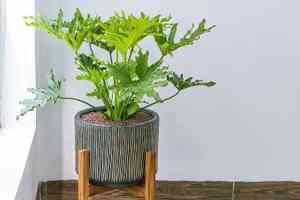
Selloum, recognized for its rich, tropical leaves, brings a distinct visual allure to garden environments. Its expansive, deeply lobed foliage offers a striking texture that captures attention and imparts a sense of luxury and calm to any garden setting. Ideal for both residential and commercial landscapes, Selloum can transform ordinary spaces into exotic havens.
Selloum's significance in contemporary landscape trends.
Selloum has gained increasing popularity in modern landscape design due to its aesthetic adaptability and minimal care requirements. Its capacity to integrate smoothly with diverse landscaping styles, from modern to tropical, makes it a preferred option among gardeners. Selloum is frequently featured in sustainable landscape designs for its ability to flourish with little water and its low vulnerability to pests and diseases.
Selecting the Optimal Spot for Selloum
Understanding Selloum's light and shade requirements.
Choosing the correct location for Selloum involves recognizing its preference for partial shade. While it can endure full sun, it thrives best in areas receiving filtered sunlight, particularly during the hottest parts of the day. Avoid situating Selloum in intense, direct sunlight for prolonged periods, as this can lead to leaf burn and diminish its overall vibrancy.
Advice for soil and spatial considerations.
Soil quality is another crucial element for Selloum's successful development. It favors well-draining soil rich in organic matter to ensure robust roots. Ensure the planting area provides ample room for Selloum to expand, as it can grow quite large. When planning your garden layout, allow sufficient space around Selloum for air circulation and ease of upkeep.
Pairing Selloum with Other Plants
Crafting a harmonious plant arrangement that includes Selloum.
Incorporating Selloum into your garden involves selecting compatible plants that enhance its lush appearance while sharing similar growing conditions. Ferns, hostas, and other shade-loving plants can create a balanced palette, adding varied textures and colors that highlight Selloum's dramatic leaves. Blending foliage of different shapes and sizes can result in a balanced and visually pleasing garden.
Companion planting suggestions for Selloum.
Companion planting not only boosts visual appeal but also encourages healthier growth. Combine Selloum with plants that have similar watering needs but different heights to achieve layered effects. For instance, ground covers or low-growing plants can be placed around Selloum's base, while taller shrubs or trees can offer the necessary shade. This approach also helps in maximizing the utilization of available space.
Maintaining Selloum's Aesthetic Appeal
Fundamental care tips to keep Selloum flourishing in a landscape.
To preserve Selloum's aesthetic charm, consistent maintenance is vital. Watering should be regularly monitored to keep the soil moist but not waterlogged. Periodically remove any dead or yellowing leaves to stimulate new growth and prevent potential disease spread. Fertilize with a balanced, slow-release fertilizer during the active growing season to supply essential nutrients for abundant foliage.
Seasonal considerations for Selloum.
Understanding seasonal changes is critical for Selloum's care. During colder months, if you reside in a frost-prone region, provide adequate cover or bring potted Selloum indoors to prevent frost damage. In warmer seasons, ensure sufficient watering and occasional misting to maintain humidity levels, which Selloum desires for optimal growth.
Visual Strategies and Layout Concepts Featuring Selloum
How to utilize Selloum as a central feature in your garden.
Selloum serves as a striking focal point in any garden due to its large, captivating leaves. Position it in a prominent spot where it can stand out, such as in the middle of a garden bed, near a water feature, or at the end of a pathway. Its imposing presence can anchor a garden space, providing structure and interest throughout the year.
Integrating Selloum into borders, walkways, and more.
Selloum can be creatively employed in various landscaping elements, such as borders and pathways. When planted along borders, it forms a lush, green edge that guides the eye and provides a soft boundary. Placing Selloum near pathways enhances the journey through the garden, with its foliage offering refreshing greenery and shade. Additionally, Selloum can be used to fill in gaps and empty spaces, adding depth and layering to the landscape.



