How to Overwinter Selloum
1
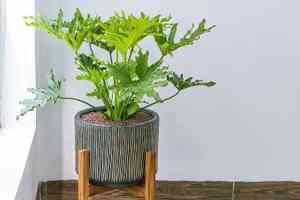
Selloum plants are sensitive to cold and should be brought inside prior to the initial frost.
2
Place Selloum in a well-lit area, shielded from direct sun, to replicate its native environment.
3
Maintaining appropriate humidity and temperature is vital for a thriving Selloum throughout the colder months.
When Is the Optimal Time to Prepare Selloum for Winter?
When Is the Optimal Time to Prepare Selloum for Winter?
The ideal period to begin readying your Selloum for winter is in early autumn, preferably before the initial frost. Selloum is a cold-sensitive plant, meaning it cannot endure low temperatures. As soon as temperatures consistently drop below 10°C (50°F), it's crucial to bring your plant indoors. This timing allows the plant to gradually adjust to indoor conditions, lessening the shock of abrupt environmental shifts.
Indoor Preparations for Winterizing Selloum
Selecting the Appropriate Location
Choosing the perfect indoor spot for your Selloum is essential. Ensure you pick a location that mimics its natural habitatâbright but indirect illumination, away from direct sun exposure. The optimal spot should also be free from drafts and sudden temperature fluctuations, which can stress the plant. Consider placing it in an east-facing room where it can receive gentle morning sun, or at a distance from a south-facing window.
Light Requirements for Winter
During the winter, Selloum requires bright yet indirect light to flourish. Excessive direct sunlight can scorch its foliage, while insufficient light can cause it to become leggy. To supplement natural light, you might consider employing grow lights. Position the grow lights approximately 30-60 cm (12-24 inches) above the plant and set them on a timer for about 12 hours daily to simulate daylight hours.
Temperature and Humidity Management
It's vital to maintain consistent temperature and humidity levels for your Selloum throughout winter. Aim for a temperature range of 18-24°C (65-75°F). Keep the room humidity around 60%, as dry indoor air can negatively impact the plant. You can use a humidifier or place a tray filled with water and pebbles near the plant to boost humidity. Regular misting can also help sustain humidity levels.
Common Issues During Selloum Overwintering and Their Solutions
Addressing Yellowing Foliage
Yellowing leaves can signal various problems such as excessive watering, inadequate light, or nutrient deficiencies. Ensure your Selloum is not sitting in water and is receiving sufficient light. If yellowing persists, consider adding a balanced fertilizer but avoid over-fertilizing, as it can lead to salt accumulation in the soil.
Controlling Pests and Diseases
Indoor environments can sometimes lead to pest infestations. Common pests include spider mites, aphids, and mealybugs. Regularly inspect your plant and use insecticidal soap or neem oil to treat infestations. Ensure good air circulation and prevent overcrowding plants to minimize disease risks.
Preventing Root Decay
Root rot is typically caused by overwatering or poor drainage. Ensure your plant's pot has adequate drainage and avoid letting it sit in water. If you notice soft roots or an unpleasant odor, you'll need to trim the affected roots and repot the plant in fresh soil. Using a well-draining soil mix can also help prevent root rot.



