How to Prune Selloum?
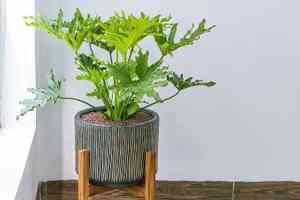
A tropical perennial recognized for its deeply divided, lustrous foliage, selloum flourishes with appropriate trimming to foster well-being and vigor. Shorten elongated stalks and detach deceased or discolored leaves at their origin to preserve form and dimensions. The most opportune periods for trimming extend from early spring to late autumn, aligning with periods of active development. Trimming improves air movement and light penetration, which are vital for selloum's health and visual attractiveness.
What Are the Benefits of Pruning Selloum?
What Are the Benefits of Pruning Selloum?
Trimming selloum promotes robust development and preserves its form. Deliberate cuts encourage healthier, denser foliage and can prevent excessive growth in confined areas, ensuring selloum remains an appealing feature in any environment.
What Is the Best Time for Pruning Selloum?
What Is the Best Time for Pruning Selloum?
These periods are considered ideal as selloum's active growth phase typically coincides with warmer months. Pruning in early spring facilitates vigorous new growth following the dormant winter period. Late autumn pruning is appropriate as it prepares selloum for the upcoming dormancy, though care should be taken not to prune too late in the season to avoid harming new shoots that might be vulnerable to frost. During these seasons, the plant can recover better from pruning and is less likely to experience stress, thereby reducing the risk of disease entry through pruning cuts. It is crucial to avoid extensive pruning during the height of summer or the cold of winter, as this can stress selloum and negatively impact its health and growth.
What Tools Do I Need to Prune Selloum?
Hand Pruners
Perfect for making precise cuts on selloum's smaller stems and leaves due to their manageable size and clean cutting action, ensuring minimal harm to the plant.
Pruning Shears
Suitable for trimming back selloum's overgrown leaves and stems, helping maintain the desired shape and size; the shears' sharp blades allow for quick and efficient work.
Long-handled Loppers
Recommended for reaching into selloum's dense foliage to remove larger branches without causing strain to the gardener, providing good leverage for thicker stems.
Clean Cloth and Disinfectant
Ensuring that the tools used on selloum are clean and disinfected helps prevent the spread of disease and keeps cuts clean, which is essential for the plant's health.
Gardening Gloves
Protect the gardener's hands from the selloum's sap, which can irritate skin on contact, while also providing a better grip on the pruning tools.
How to Prune Selloum
Step1: Tool Preparation and Sterilization
Prepare your tools before you begin trimming selloum. Use sharp, clean pruning shears or a knife. Disinfect your tools with rubbing alcohol or a bleach solution to prevent disease transmission.
Step2: Plant Health Inspection
Examine selloum to identify which sections require trimming. Look for yellowed leaves, withered stems, and dead foliage, which can be removed to maintain the plant's health and appearance.
Step3: Yellow Leaf Removal
Start by removing yellowed leaves. Cut the leaf stem where it meets the main stem or the soil using a diagonal cut. This aids water runoff from the cut surface and promotes faster healing.
Step4: Withered Stem Pruning
Trim withered stems by tracing them back to their point of origin on the main stem. Make the cut just above the node or swollen area where the stem is attached. Pruning at this point encourages healthier new growth.
Step5: Dead Foliage Cutting
Carefully remove dead foliage, similar to yellow leaves, by cutting at the base of the stem. Avoid tearing the plant's tissue to prevent damage.
Step6: Plant Shape Trimming
After trimming unhealthy parts, assess the overall shape of selloum. If it appears unbalanced or unruly, selectively trim back stems to maintain a pleasing form, taking care not to remove more than one-quarter of the plant at any one time.
Step7: Trimming Disposal
Dispose of the trimmings to avoid any potential for disease or pests. Place them in your compost if they're disease-free.
Step8: Post-Pruning Watering
Water selloum adequately after pruning to aid recovery, but do not overwater. Selloum prefers moist but not soggy soil conditions.
Step9: Post-Pruning Monitoring
Monitor selloum for a few weeks after pruning to ensure it is recovering well and to watch for any signs of disease or pests at the pruning sites.
Post-Pruning Care for Selloum
Post-Pruning Care for Selloum
Immediately after trimming selloum, ensure clean cuts to facilitate healing. Position selloum in a well-lit area, avoiding direct sunlight, to maintain a stable environment that promotes recovery. Opt for high humidity and moderate temperatures between 60-75°F. Resume fertilization with a balanced liquid fertilizer about a month post-pruning to replenish nutrients, encouraging new growth. Monitor selloum for wilted leaves or rot, indicating stress or infection; remove affected areas and adjust care. Regular assessments of the plant's condition will help maintain vitality.
Common Pruning Mistakes with Selloum
Damage with Dull or Dirty Pruning Tools
Using dull or dirty tools which can harm the stems of selloum or introduce disease.
Over-pruning and Plant Stress
Trimming too much at once, which can stress selloum and potentially lead to poor health or even plant death.
Excessive Leaf Removal Hinders Growth
Removing too many leaves, which can reduce selloum's ability to photosynthesize and impede its growth.
Inappropriate Cutting into Old Wood
Cutting into old, hardened wood which doesn't regenerate as readily, potentially harming the plant.
Neglecting to Remove Dead Material
Ignoring dead or diseased leaves which should be removed to maintain the health and aesthetics of selloum.
Common Pruning Tips for Selloum
Sanitize Tools to Prevent Disease
Sanitize pruning tools before and after use to prevent the spread of disease to or from selloum.
Prune Damaged Leaves for Better Health
Trim damaged, diseased, or yellowing leaves at the base of the stem to promote healthy growth and improve air circulation.
Thin Foliage but Allow Photosynthesis
Thin out selloum's foliage by selectively removing some leaves, but ensure to leave enough foliage for the plant to sustain photosynthesis effectively.
Control Aerial Roots Near Main Stem
Clip any aerial roots if they become unruly or start to invade unwanted areas, aiming for cuts close to the main stem.
Limit Foliage Removal to Avoid Shock
Avoid cutting off more than 25-30% of selloum's total foliage in one pruning session to prevent shock to the plant.
Gentle Shaping Above Leaf Nodes
Perform gentle shaping to maintain the desired form, always cutting just above a leaf node to encourage new growth in the right direction.



