Optimal Soil for Growing Selloum: What You Need to Know
1
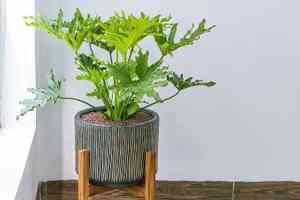
Selloum flourishes in soil that drains effectively yet holds some dampness without becoming saturated.
2
The optimal soil acidity for Selloum ranges from 6.5 to 7.5, making it suitable for the majority of domestic gardens.
3
Periodically enriching the soil with organic material can assist in preserving the nutrient concentrations vital for Selloum's development.
Understanding Selloum's Natural Environment
Indigenous Soil Conditions
In its native habitat, Selloum thrives in rich, loamy earth that possesses a balanced mix of sand, silt, and clay. This soil type provides both excellent water runoff and sufficient moisture retention, vital for the plant's root system. The ground in its original setting is typically abundant in organic matter, supplying essential nutrients for its lush, expansive foliage.
Climate and Landscape
Selloum, also known as the Tree Philodendron, originates from the tropical and subtropical areas of South America. These regions frequently experience a warm, humid climate with regular rainfall, which keeps the soil consistently damp but not saturated. The terrain is usually uneven, featuring well-draining slopes that prevent water accumulation around the plant's roots, which could lead to rot.
Essential Soil Characteristics for Selloum
Soil Type
For optimal development, Selloum prefers a potting mix that drains well. A blend of peat moss, pine bark, and perlite creates a light, aerated medium that allows roots to breathe while maintaining appropriate moisture levels. Avoid dense clay soils that hold too much water, potentially suffocating the roots.
Soil pH Level
Selloum performs best in soil with a slightly acidic to neutral pH, ideally between 6.5 and 7.5. This pH range ensures the plant can effectively absorb vital nutrients. You can test your soil's pH using a simple home kit and amend it with lime to increase pH or sulfur to decrease it if necessary.
Drainage and Moisture Retention
Proper drainage is critical for Selloum. The soil should permit excess water to escape while retaining enough moisture to keep the plant hydrated. Incorporating materials like perlite or coarse sand into the potting mix can improve drainage. However, using too much can result in overly dry soil, so a balance is required.
Nutrient Content
Rich, fertile soil is crucial for Selloum's growth. Regularly adding organic matter such as compost or well-rotted manure can supply the necessary nutrients. Additionally, using a balanced, water-soluble fertilizer during the growing season can support vigorous growth and vibrant leaf color.
Preparing Soil for Selloum
Selecting the Appropriate Potting Mix
When preparing a potting mix for Selloum, aim for a blend that includes equal parts peat moss, pine bark, and perlite. This combination offers excellent drainage and moisture retention, creating an environment where roots can flourish. If purchasing a commercial potting mix, look for one designated for aroids or tropical plants.
Amending Soil for Optimal Growth
To maintain healthy soil conditions, enrich your potting mix with organic matter like compost, coconut coir, or worm castings. These additions not only boost nutrient content but also enhance soil structure, ensuring it remains loose and well-aerated.
Soil Sterilization Methods
Soil sterilization is vital to eliminate pathogens and pests that can harm your Selloum. You can sterilize small quantities of soil by baking it in the oven at 180°F to 200°F (82°C to 93°C) for approximately 30 minutes. Alternatively, chemical soil sterilizers can be used, but always adhere to the manufacturerâs instructions.
Ensuring Proper Drainage
Good drainage is paramount for Selloum. Ensure your pot has adequate drainage holes and consider adding a layer of gravel or small stones at the bottom before adding your soil mix. This layer helps prevent roots from sitting in water, reducing the risk of root rot.
Common Soil Issues and Solutions for Selloum
Poor Drainage Problems
If your Selloum is suffering from inadequate drainage, its leaves may yellow, and the plant might appear wilted. To resolve this, improve soil drainage by mixing in perlite, coarse sand, or using a specialized well-draining potting mix. Ensuring your pot has ample drainage holes is equally important.
Nutrient Deficiencies
Signs of nutrient deficiency include pale, yellowing leaves and stunted development. Remedy this by feeding your Selloum with a balanced liquid fertilizer monthly during the growing season. Additionally, top-dressing with compost can provide a slow-release nutrient source throughout the year.
Soil Compaction
Compacted soil restricts root development and water flow. Regularly aerate the soil by gently loosening it with a fork or repotting in a fresh mix. Adding organic matter like compost can also improve soil texture and prevent compaction over time.
Adjusting Soil pH
If the soil pH is incorrect, Selloum may struggle to absorb nutrients efficiently. Test your soilâs pH and adjust it if necessary. Adding lime can raise the pH of acidic soils, while elemental sulfur or aluminum sulfate can lower the pH of alkaline soils.
Seasonal Soil Care Advice for Selloum
Winter Soil Maintenance
During the colder months, Selloumâs growth slows, and its water requirements decrease. Reduce watering to prevent the soil from becoming waterlogged. It's also a good time to check for and address any drainage issues, as well as to prune any dead or decaying leaves to maintain plant health.
Summer Soil Care
In summer, Selloum enters its active growth phase. Increase watering frequency to keep the soil consistently moist but not soggy. Regularly check soil moisture levels and adjust watering schedules as needed. Also, consider applying a slow-release fertilizer or a monthly liquid fertilizer to support robust growth.



