How to Propagate Selloum?
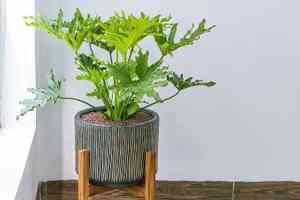
Propagating Selloum is generally accomplished via cuttings, particularly during the spring and summer seasons. Its relatively straightforward propagation is confirmed by the appearance of fresh roots and foliage. Provide sufficient drainage and warmth to encourage robust development.
Optimal Time for Selloum Propagation
Propagation Method
Cutting
Propagation Period
Spring, Summer
Essential Tools for Selloum Propagation
Sharp Pruning Shears
These shears are used for obtaining stem cuttings from selloum, ensuring precise cuts that minimize harm to both the parent plant and the cutting, thereby boosting rooting success.
Sterilizing Agent (e.g., Isopropyl Alcohol or Bleach Solution)
Ensures that shears and other implements are free of harmful organisms, which is vital for preventing disease transmission during the cutting process of selloum.
Rooting Hormone Powder or Gel
Applied to the severed end of selloum cuttings, this product encourages root development and enhances the probability of successful propagation.
Potting Mix (Well-Draining)
An appropriate medium for planting selloum cuttings offers sufficient moisture retention while allowing excess water to escape, crucial for root growth without decay.
Small Pots or Containers
These are used to house selloum cuttings, with correct sizing ensuring ample room for developing roots to expand without becoming cramped.
Plastic Bags or Propagation Domes
These create a moist microclimate around selloum cuttings, helping to prevent them from losing hydration and wilting before roots have formed.
Misting Bottle
Facilitates gentle hydration of selloum cuttings, maintaining moisture levels without disturbing the soil or newly emerging roots.
How to Propagate Selloum?
Propagation Method
Cutting
Difficulty Level
Easy
Post-Propagation Care for Your Selloum
Post-Propagation Care for Your Selloum
Following propagation, gradually introduce the new selloum to its permanent spot over several days if it was covered. The permanent location should offer bright, indirect light and be shielded from strong drafts. Water the new selloum when the top inch of soil feels dry, but be careful not to overwater. Fertilize with a balanced, water-soluble feed every 4-6 weeks during the active growth period. Maintain room temperatures between 65-80°F and ensure high humidity through misting, using a pebble tray, or a humidifier. Regularly inspect for pests and diseases, and remove any yellowed or damaged leaves.
Common Errors to Avoid When Propagating Selloum
Overwatering cuttings
Selloum cuttings are frequently overwatered, which can lead to rot before they have a chance to root. Excessive moisture fosters fungal and bacterial growth.
Using dull tools
Cuttings made with blunt blades can result in crushed or damaged stem tissue, hindering the rooting process and increasing the risk of infection.
Ignoring aerial roots
When propagating selloum, overlooking the potential of aerial roots is a mistake. They indicate where roots are most likely to form and should be considered when choosing propagation points.
Taking cuttings from diseased plants
Using cuttings from an unhealthy selloum plant can spread pathogens to new plants. Healthy parent plants are essential for successful propagation.
Planting cuttings too deep
Burying selloum stem cuttings too deeply in the substrate can reduce air circulation around the stem and cause rot, as the plant's stem is not adapted to being buried.
Tips For Propagating Selloum
Properly timing cuttings
Selloum cuttings should be taken when the plant is actively growing, as they will root more readily, typically in spring or summer.
Moisture control
Maintain a balanced moisture level, ensuring the medium is damp but not waterlogged to encourage rooting without decay. A clear plastic cover can help retain humidity without overwatering.
Use of well-draining soil
Rooting selloum cuttings requires a well-draining soil mix to prevent waterlogging and provide sufficient oxygen for root development.
Sharp cutting tools
Utilize sharp, sterilized cutting tools to take selloum cuttings, ensuring clean cuts that heal quickly and are less prone to infection.
Leaf node awareness
When preparing selloum for propagation, cut just below a leaf node; this is where roots will emerge. Removing a few leaves can also reduce moisture loss while retaining enough for photosynthesis.



