How Much Sunlight Do Selloum Need?
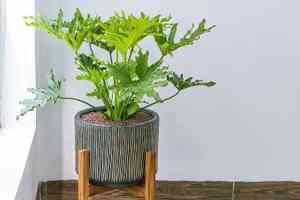
1
Selloum prospers with ample, filtered illumination, yet it can endure reduced light levels.
2
Refrain from exposing Selloum to unfiltered sunbeams to protect its foliage from scorching.
3
Modify the plant's position based on the time of year to encourage peak development.
What Kind of Illumination Does Selloum Favor?
Indirect Light Demands
The Selloum plant flourishes best under bright, diffused illumination. This light quality mimics the filtered sunlight that penetrates through tree canopies in its native environment. Position your Selloum close to a window where it can absorb ample light but is shielded from strong direct rays. The light should be softened, supplying the plant with the necessary energy for growth without the danger of scorching its foliage.
Avoiding Intense Direct Sun Exposure
Direct solar radiation can be overly strong for Selloum, leading to leaf damage and plant distress. When exposed to excessive direct sunlight, the leaves may develop brown, brittle edges and lose their vibrant green hue. It's crucial to place your plant in a location where it receives light without direct sun contact. Employing sheer drapes can help scatter the light and safeguard your Selloum from potential harm.
How Does Light Influence Selloum Development?
Effect on Leaf Hue and Dimensions
Sunlight plays a pivotal role in determining the coloration and size of Selloum leaves. Under optimal lighting conditions, Selloum's leaves will be large, luxuriant, and a vivid green. Insufficient light can result in smaller, paler leaves, signaling that your plant requires more illumination. Regular rotation of the plant can also help prevent uneven light exposure, ensuring uniform development across all sides.
Overall Plant Vigor
Adequate sunlight is essential for the comprehensive health and growth of Selloum. Like all plants, it performs photosynthesis using light, which fuels its entire developmental process. Insufficient light can lead to stunted growth, weakened stems, and reduced resistance to pests and diseases. Ensuring your Selloum receives the correct amount of light can significantly boost its vitality and lifespan.
Can Selloum Endure Dimly Lit Environments?
Adaptability to Reduced Light
One of Selloum's advantages is its capacity to adjust to diverse lighting conditions, including low-light environments. While it prefers bright, indirect light, Selloum can tolerate dimly lit settings, making it a versatile option for various indoor spaces. However, for peak growth and health, placing it in a well-lit area is ideal.
Indicators of Light Deprivation
If your Selloum isn't getting enough light, it will display certain noticeable signs. The most common indicators include sluggish growth, elongated stems as the plant stretches towards light, and a dull, faded leaf coloration. If you observe these symptoms, consider relocating your plant to a brighter spot to ensure it receives the necessary light.
Recommendations for Positioning Your Selloum Indoors
Optimal Interior Placements
Locating the ideal spot for your Selloum within your home is vital for its well-being. Suitable positions include areas near east or north-facing windows where the plant can obtain ample indirect light throughout the day. Avoid placing the plant directly in front of south or west-facing windows without some form of light diffusion, such as sheer curtains.
Utilizing Drapes or Shades
Drapes or blinds can be incredibly effective in managing the amount of light your Selloum receives. Sheer curtains can filter harsh sunlight, allowing only soft, diffused light to reach the plant. This prevents the risk of sunburn while still providing the illumination needed for healthy growth. Adjusting the curtains or blinds throughout the day can help maintain consistent light exposure.
Seasonal Variations in Sunlight Requirements
Winter vs. Summer Light Demands
As the seasons transition, so do the lighting needs of Selloum. In the summer, sunlight is more intense and can be harsh on the plant, potentially requiring more shading. Conversely, in the winter, the amount of natural light diminishes, and you may need to move your Selloum to a brighter location or even supplement with artificial lighting to sustain its health.
Adjusting Position Accordingly
To accommodate the changing light needs with the seasons, be prepared to reposition your Selloum within your home. In summer, find a slightly shaded area to shield it from intense light. During the shorter days of winter, move the plant closer to windows where it can receive as much natural light as possible. Regular adjustments ensure that your Selloum continues to thrive year-round.



