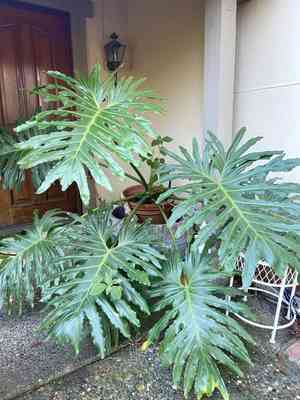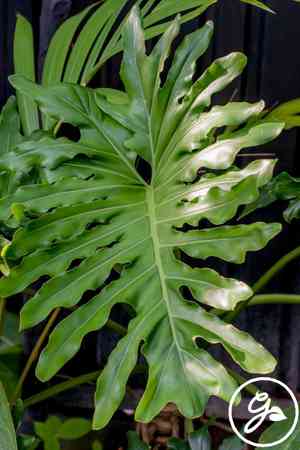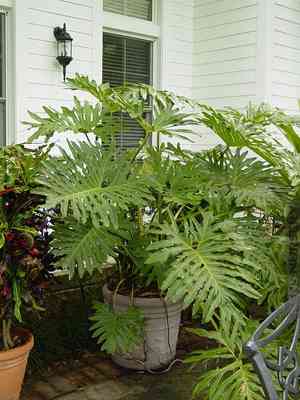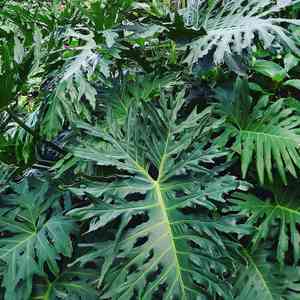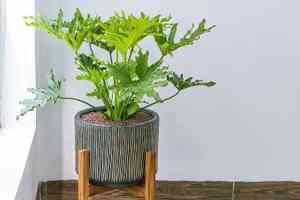
Selloum(Philodendron bipinnatifidum)

Selloum (Philodendron bipinnatifidum)

Also known as: Lacy tree philodendron

Philodendron bipinnatifidum, native to South America, is a popular choice for landscaping in warm, tropical regions like Florida, California, South Africa, New Zealand, and Australia. The sap of this plant can lead to skin irritation upon contact. If chewed or ingested, it may cause oral discomfort, swelling, and potentially impact respiratory function.

Attributes of Selloum

Lifespan
Perennial
Plant Type
Herb
Plant Height
1.8 m to 4.5 m
Spread
3 m to 4.5 m
Leaf Color
Green
Flower Size
30 cm
Flower Color
Cream Purple White

ForwardPlant - Identify plants with a snap

Identify and diagnose plants, get toxicity alerts, and explore safety guides for all types of fungi.

Try for Free

Images of Selloum

Selloum(Philodendron bipinnatifidum)

Quickly Identify Selloum

1
Identify Philodendron bipinnatifidum by its large, deeply lobed leaves that can grow up to 3 feet long. Look for a woody stem and aerial roots that develop along the stem.

Scientific Classification of Selloum

Phylum
Vascular plants
Class
Monocotyledons
Order
Water plantains and allies
Family
Arum
Genus
Philodendrons
Species
Selloum

Planting and Growing of Selloum

Care Difficulty
Easy
Watering Schedule
Every 2 days
Sunlight Requirements
Partial sun
Sunshine Duration
6-10 hours
Ideal Temperature
65-82℉
Soil Type
Potting Mix, Peat Mix
Soil pH
6.5-7.5
Fertilizer Type
Balanced
Pruning Season
Spring, Summer
Pruning Area
Branches, Leaves
Pruning Frequency
2 times a year
Repotting Season
Spring
Pot Type
Ceramic, Plastic

water icon How to Water Selloum?

Philodendron bipinnatifidum thrives when watered thoroughly and then left to dry slightly before watering again. It's important to water until a small amount of water drains out of the bottom of the pot, indicating that the soil is evenly saturated. This approach ensures that the entire root system has access to moisture without becoming waterlogged.
What are the symptoms of an underwatered Selloum?
What should I do if my Selloum is not getting enough water?
What are the symptoms of an overwatered Selloum?
How to save an overwatered Selloum?
More About Watering Techniques

sunlight icon What Are the Sunlight Requirements for Selloum?

Sunlight Requirements: Partial sun
Duration of light: Four to six hours
Partial sun conditions are ideal for this plant, allowing it to grow vigorously while avoiding the risks of scorching. This balance ensures optimal photosynthesis and vibrant foliage.
What is the best light condition for Philodendron bipinnatifidum?
How to provide ideal lighting for this plant?
What are the benefits of optimal lighting for this plant?
More About Sunlight Requirements Techniques

temperature icon What Is the Ideal Temperature Range for Selloum?

Ideal Temperature: 65 ~ 82℉
Philodendron bipinnatifidum thrives best in a temperature range of 65 to 82 degrees Fahrenheit. This ensures optimal metabolic activity and growth. A stable temperature within this range promotes healthy leaf development and vibrant coloration, essential for the plant’s aesthetic and physiological well-being.

soil icon What Soil is Best for Selloum?

Soil type: Loam, Sandy loam
Soil PH: 6.5 ~ 7.5
Philodendron bipinnatifidum prefers soil that retains moisture but doesn't stay soggy. Soil that holds enough water ensures the plant's roots remain hydrated, promoting healthy growth while preventing waterlogged conditions that can lead to root rot. Rich in organic matter, the soil provides the essential nutrients necessary for the lush foliage of Philodendron bipinnatifidum. Nutrient-dense soil supports strong leaf development and overall plant vitality. The soil should offer excellent drainage to prevent water stagnation. Well-drained soil minimizes the risk of root diseases, ensuring the plant maintains a healthy root system essential for nutrient uptake. More About Soil

fertilize icon How to Fertilize Selloum?

Fertilizer type: Balanced
For Philodendron bipinnatifidum, it's essential to provide a balanced amount of fertilizer. When using liquid fertilizer, dilute it to half the recommended strength. During the growing season, especially spring and summer, a moderate amount helps the plant thrive without overwhelming its delicate roots. More About Fertilizing Techniques

prune icon How to Prune Selloum?

Pruning Time: Spring, Summer, Autumn
Look for any dead, damaged, or yellowing leaves. Also, identify the stem sections that are crowding each other or hindering the plant's shape and overall growth. When pruning, make clean cuts just above a node to encourage new growth in the desired direction. Be precise to avoid jagged edges that could invite infections. Avoid excessive pruning, as it can stress the plant, reducing its capacity to produce energy through photosynthesis. Trim no more than 20% of the plant at a time. More About Pruning Techniques

propagate icon How to Propagate Selloum plant?

Propagate Time: Spring, Early summer
1
Choose a healthy stem with at least two or three leaves. Ensure that the stem is disease-free and has no damage. The cutting should be about 4 to 6 inches long to promote successful rooting.
2
Use sharp pruning shears to cut the selected stem just below a node. This is where new roots are most likely to form. The cut should be clean and at a slight angle to maximize exposure for root development.
3
After making the cut, remove the leaves from the lower half of the stem. Plant the cutting in a pot filled with moist potting mix, ensuring that at least one node is buried in the soil.
More About Propagating Techniques

repot icon How to Repot Selloum plant?

Repotting frequency: Every 2-3 years
1
Philodendron bipinnatifidum signals its need for repotting when you observe roots growing out of the drainage holes, or if the plant's growth has noticeably stalled despite good care. Spring and summer are ideal seasons for repotting as active growth during these periods aids recovery.
2
Select a pot that is 2-3 inches larger in diameter than the current one and ensure it has proper drainage holes. Using a slightly larger pot helps the plant establish its roots without overwhelming it with too much soil, which can retain excess moisture and harm the roots.
3
Opt for a well-draining, rich soil mix that retains some moisture but doesn’t become waterlogged. A blend that includes peat, pine bark, and perlite works well. This type of soil supports healthy aeration and drainage, preventing root rot and promoting robust growth.
More About Repotting Techniques

ForwardPlant - Identify plants with a snap

Find the best spots for them to optimize their health, simply using your phone.

Try for Free

Toxicity of Selloum

Is Selloum toxic to humans?

Selloums possess a moderate level of toxicity to humans. Every section of the plant is laden with calcium oxalate crystals, which can irritate both the skin and the gastrointestinal tract. Extended exposure to the leaves or stems, particularly when they are damaged, can lead to symptoms such as redness, itchiness, and swelling on the skin. Consuming any part of the selloum may result in swelling and discomfort in the mouth and throat, difficulties in swallowing, abdominal pain, nausea, and diarrhea; in severe instances, it can also lead to breathing difficulties. Although selloums are widely seen as ornamental plants, incidents of human poisoning are comparatively uncommon, as these plants lack edible counterparts, and physical interaction with them tends to be limited.

Is Selloum toxic to cat?

Masticating any portion of the selloum (Philodendron bipinnatifidum) releases calcium oxalate crystals, which possess moderate toxicity for felines. These crystals can irritate the oral cavity, resulting in discomfort and swelling. Consumption may trigger vomiting and diarrhea. In some instances, swelling in the airway could occur, making it challenging for the cat to breathe. Veterinary assistance may be required in such situations.

Is Selloum toxic to dog?

Selloum poses a moderate to high level of toxicity to canines. Every part of this plant is infused with calcium oxalate crystals present in its sap, which can induce irritation upon contact with the skin, mouth, and gastrointestinal system. Signs of poisoning may comprise of rashes and redness, vomiting, along with swelling that could result in challenges with swallowing and breathing. In cases of severe symptoms, a veterinary consultation may be required.

Identify toxic plants for your safety

Learn which plants are harmful to you and your pets, and make informed choices for a safer home!

Try for Free
WARNING
The judgment on toxicity and danger is for reference only. We DO NOT GUARANTEE any accuracy of such judgment. Therefore, you SHALL NOT rely on such judgment. It is IMPORTANT TO SEEK PROFESSIONAL ADVICE in advance when necessary.
More About Toxic Techniques