How to Transplant Narrow-leaved ash?
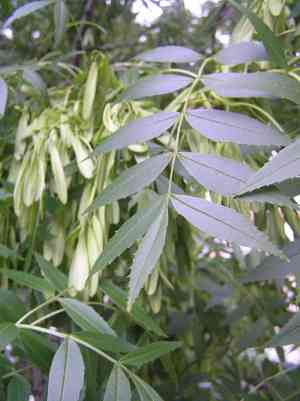
The most favorable period for transplanting narrow-leaved ash is during the vibrant early to mid-spring, capitalizing on robust seasonal development. Select a location exposed to full sunlight with soil that drains effectively. To ensure a successful transfer, focus on disturbing the roots as little as possible and providing generous irrigation after relocation.
Essential Preparations Before Relocating Narrow-leaved Ash
Optimal Timing for Transplanting Narrow-leaved Ash
The perfect time to move your narrow-leaved ash is during early to mid-spring. This period allows the narrow-leaved ash a full growth cycle to settle, promoting root development before summer's heat. Selecting this window for your narrow-leaved ash helps cultivate a strong, stable base, ensuring your narrow-leaved ash thrives with vigor as warmer days arrive.
Recommended Spacing Between Narrow-leaved Ash Plants
To ensure narrow-leaved ash grows beautifully, provide ample room! Aim for a spacing of approximately 15-20 feet (4.5-6 meters) between plants. This will allow each plant sufficient space to flourish without overcrowding.
Best Soil Mixture for Narrow-leaved Ash Transplanting
For narrow-leaved ash, the soil must drain effectively. A rich, loamy foundation is ideal. Remember to amend the soil with a base fertilizer rich in Nitrogen, Phosphorus, and Potassium. This will set narrow-leaved ash up for success!
Choosing a New Location for Your Narrow-leaved Ash
When selecting a site for transplanting narrow-leaved ash, remember its preference for sunlight; aim for a full sun exposure. However, if full sun isn't available, a partially shaded location will also suffice. Let's get planting!
Equipment Needed Before Transplanting Narrow-leaved Ash
Gardening gloves
To safeguard your hands when working with soil and plants.
Spade or Shovel
Essential for excavating holes and extracting the plant from its original spot.
Bucket or Wheelbarrow
Used for transporting your narrow-leaved ash and its soil.
Pruning Shears
For trimming any damaged roots, if necessary.
Garden Hose or Watering Can
Crucial for hydrating the plant during and after the transplanting process.
Mulch
Mulch will assist the soil in retaining moisture post-transplant.
How to Extract Narrow-leaved Ash from the Soil
How to Extract Narrow-leaved Ash from the Soil
From Ground: Begin by watering the narrow-leaved ash plant to moisten the soil, making digging easier. Next, use your spade to dig a wide trench around the plant, being careful not to harm the plant's root ball. Gently work beneath the root ball to lift the plant from the ground. Retain as much original soil as possible to minimize plant shock.From Pot: If the narrow-leaved ash is in a container, water it thoroughly first, then turn the pot on its side, grasp the plant at its base, and try to slide it out. If it's stuck, tap the pot's bottom to loosen it. Always handle by the root ball, not the stem, to prevent damage.From Seedling Tray: Carefully hold the narrow-leaved ash seedling's leaves or the surrounding soil, avoiding the stem. Push up from the tray cell's bottom or gently pry it out with a small tool like a spoon or popsicle stick. Ensure the root ball remains intact.
Detailed Guide for Transplanting Narrow-leaved Ash
Preparation
Dig a hole approximately twice the size of your narrow-leaved ash's root ball. Set aside some of the excavated soil for later use.
Placing the Plant
Gently position your narrow-leaved ash into the hole, ensuring it sits at the same depth as it was in its previous location.
Backfill the Hole
Use the soil you removed to refill the hole. Lightly press down to eliminate large air pockets without overly compacting the soil.
Watering
Use your garden hose or watering can to water the narrow-leaved ash, ensuring the soil settles properly. Avoid splashing water on the leaves, as this can induce transplant shock.
Applying Mulch
Spread a 2-3 inch layer of mulch around the narrow-leaved ash, but keep it from touching the plant's base.
Post-Transplant Care for Narrow-leaved Ash
Watering
Maintain consistent soil moisture without overwatering for the initial weeks after transplanting to ensure robust root establishment.
Pruning
Remove any damaged or withered parts of the narrow-leaved ash to encourage new growth and prevent disease spread.
Monitoring
Watch for any signs of stress in your plant, such as yellowing or dropped leaves. If observed, it may indicate transplant shock and require additional care.
Re-adjusting
If the narrow-leaved ash starts to lean or sway in the wind, you might need to stake it for support until it becomes more established.
Resolving Common Issues with Narrow-leaved Ash Transplantation.
What is the best time of year for transplanting narrow-leaved ash?
The optimal time to transplant narrow-leaved ash is during the S1-S2 seasons, which offer milder temperatures and ample rainfall to aid plant establishment.
How much space does narrow-leaved ash require when transplanting?
To provide narrow-leaved ash with sufficient room to grow, maintain a spacing of 15-20 feet (4.5-6 meters) between each plant during transplantation.
What soil conditions does narrow-leaved ash prefer?
Narrow-leaved ash adapts to various soil types but thrives in well-drained soil. Amend the soil with organic matter if it lacks nutrients.
How deep should the hole be when transplanting narrow-leaved ash?
Dig a hole twice as wide and as deep as the root ball. This allows roots to spread easily, promoting better growth of narrow-leaved ash.
What if the leaves of my transplanted narrow-leaved ash turn yellow?
Yellowing leaves may signal overwatering or poor drainage. Ensure the plant has well-drained soil and avoid saturating it.
What if narrow-leaved ash doesn't grow well after transplanting?
Ensure it receives adequate sunlight, well-drained soil, and proper spacing. Check for pest activity and treat if necessary. Remember, patience is crucial!
How much should I water narrow-leaved ash post-transplant?
Water narrow-leaved ash thoroughly after transplanting. Afterward, water every 2-3 days for the first month until established, then reduce watering.
Can narrow-leaved ash be transplanted in pots?
Yes, narrow-leaved ash can be transplanted into pots, provided it has enough space to grow. Choose a pot twice the size of its root ball.
What if narrow-leaved ash shows no signs of life after transplant?
Please don't worry! Narrow-leaved ash may take time to establish itself. Ensure it's watered and in optimal conditions. If no growth appears after 2 months, consult a local nursery.
How to care for narrow-leaved ash after transplanting?
Keep it hydrated but not overwatered, ensure it gets enough sunlight, and clear any weeds around the area. Additionally, aged mulch can help retain soil moisture.



