How to Prune Narrow-leaved ash?
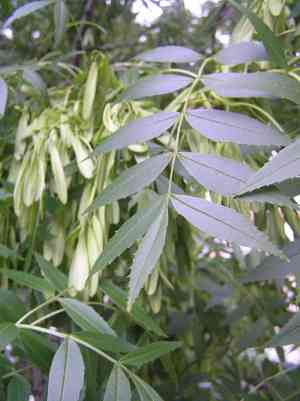
This shedding-leaf tree flourishes in adequately drained earth, characterized by slender foliage and a graceful, spherical canopy. Essential trimming methods for narrow-leaved ash involve reducing congested limbs and excising lifeless or ailing timber to preserve the plant's well-being and form. The most suitable time for pruning is in late winter or early spring, while the tree is inactive, to lessen sap leakage and strain. Trimming narrow-leaved ash can improve light access and air movement, which are vital for robust development and flower generation.
What Are the Benefits of Pruning Narrow-leaved Ash?
What Are the Benefits of Pruning Narrow-leaved Ash?
Trimming narrow-leaved ash promotes robust development and maintains its desired form. This prevents excessive growth and fosters a stronger framework, ensuring improved light penetration and air movement within the canopy. Regular cutting helps deter disease and pest infestations.
What Is the Best Time for Pruning Narrow-leaved Ash?
What Is the Best Time for Pruning Narrow-leaved Ash?
These periods are considered ideal for trimming narrow-leaved ash due to the plant's inactive state during this time. Late winter and early spring pruning minimizes the chance of disease and pest issues, which are more prevalent in warmer seasons when cuts can attract unwanted pathogens. Furthermore, pruning before the spring growth surge allows narrow-leaved ash to direct its energy toward recovery and producing new, healthy shoots. Avoiding pruning during the blooming and fruiting phases ensures the plant's reproductive capacity is not compromised.
What Tools Do I Need to Prune Narrow-leaved Ash?
Hand pruners
Essential for making clean cuts on smaller branches of narrow-leaved ash, typically under 3/4 inch in diameter. Bypass pruners are preferred for their ability to make closer and cleaner cuts compared to anvil pruners.
Loppers
Ideal for cutting branches up to 2 inches in diameter. Provides leverage and reach for pruning narrow-leaved ash without overstraining the user's hands.
Pruning saws
Necessary for larger branches over 2 inches in diameter that hand pruners and loppers cannot manage. A saw with a curved blade or a folding saw can be more efficient and easier to handle within the canopy of narrow-leaved ash.
Pole pruners
Useful for reaching higher branches of narrow-leaved ash without needing a ladder. It allows for the safe trimming of branches several feet above ground.
Hedge shears
Not typically recommended for narrow-leaved ash, as they are better suited for shaping hedges rather than individual trees.
How to Prune Narrow-leaved Ash
Step1: Timing Pruning Season
Determine the appropriate season for pruning narrow-leaved ash. Late winter or early spring, before new growth commences, is the optimal time to prune to ensure rapid healing of cuts and to prevent disease entry.
Step2: Sterilizing Pruning Equipment
Sanitize all pruning tools using a 10% bleach solution or rubbing alcohol to prevent the spread of disease.
Step3: Removing Dead Wood
Begin pruning by removing all dead wood. Make cuts just above the branch collar at a 45 to 60-degree angle, ensuring not to damage the collar itself to promote proper healing.
Step4: Cutting Out Diseased Wood
Identify and remove any diseased wood. Cut back to healthy tissue, well below the affected area, and dispose of the removed wood responsibly to prevent the spread of pathogens.
Step5: Pruning Broken Branches
Prune all broken branches by cutting back to the nearest lateral branch or bud, ensuring clean cuts that angle away from the bud to avoid water damage and decay.
Step6: Shaping and Structural Pruning
Trim for shape and structure, particularly if narrow-leaved ash is young, by selecting a central leader and removing competing shoots. Always prune just beyond a bud facing the outside of the canopy to encourage outward growth.
Step7: Cleaning Tools Post-Pruning
After completing pruning cuts, clean the tools again to prevent transmission of potential diseases to other plants.
Step8: Monitoring Pruning Wounds
Monitor the pruning wounds over time for signs of proper healing and watch for new growth as an indicator of narrow-leaved ash's recovery and health.
Post-Pruning Care for Narrow-leaved Ash
Post-Pruning Care for Narrow-leaved Ash
Immediately after pruning narrow-leaved ash, ensure clean cuts to aid healing. Position narrow-leaved ash in a well-lit area with moderate humidity, avoiding extreme temperatures. Apply a balanced fertilizer to boost recovery, but avoid over-fertilization which can stress the plant. Regularly inspect for signs of stress or disease, such as wilting or discolored leaves, and intervene with appropriate treatments. Consistent watering, without waterlogging, is critical for narrow-leaved ash's post-pruning recovery.
Common Pruning Mistakes with Narrow-leaved Ash
Avoid excessive removal of plant parts
Over-pruning narrow-leaved ash, which can severely weaken the tree and impede its natural growth pattern.
Don't cut too close to trunk or parent branch
Cutting too close to the trunk or parent branch, which can damage the branch collar and hinder the healing process.
Use sharp, sterilized pruning tools
Using dull or unclean pruning tools, risking the spread of disease and causing jagged cuts that are more susceptible to pests and decay.
Remove diseased or dead branches promptly
Neglecting to remove diseased, damaged, or dead branches that can hamper the overall health of narrow-leaved ash.
Respect plant's natural growth shape when pruning
Not considering the natural shape of narrow-leaved ash when pruning, potentially leading to an unbalanced structure and weakened branches.
Follow safety precautions for pruning tasks
Ignoring safety measures, such as wearing proper gear and confirming the surrounding area is clear, especially when working with tall specimens of narrow-leaved ash.
Common Pruning Tips for Narrow-leaved Ash
Prune only dead, broken, or diseased limbs
Aim to remove only dead, broken, or diseased branches to maintain the health and natural form of narrow-leaved ash.
Cut at an angle away from the branch collar
Make clean cuts at a slight angle, away from the branch collar, to promote efficient healing and prevent water accumulation that could lead to rot.
Sterilize tools to prevent disease spread
Use sharp and sterilized pruning tools to make precise cuts and reduce the risk of spreading diseases between plants.
Maintain balanced canopy for light and air flow
Consider the overall architecture of narrow-leaved ash, striving to maintain an even, balanced canopy that allows light and air to penetrate through.
Preserve central leader and scaffold branches
Keep the central leader (main trunk) and scaffold branches intact to support the structural integrity of narrow-leaved ash.
Thinning method to improve light and air access
Employ the thinning method to remove excess branches from the interior of the canopy, enhancing light penetration and air circulation while preserving the tree's natural shape.



