How to Overwinter Narrow-leaved ash
1
Fraxinus angustifolia can withstand temperatures as low as -15°C (5°F).
2
Perform trimming during the end of autumn to avoid the proliferation of illnesses.
3
Regularly inspect for indications of pests and ailments throughout the winter season.
Understanding Narrow-leaved ash Winter Needs
Understanding Narrow-leaved ash Winter Needs
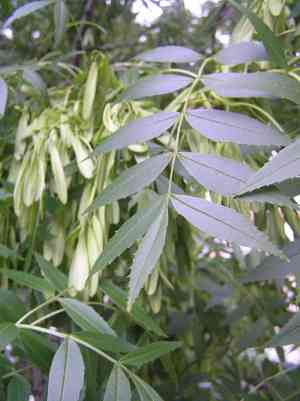
The Narrow-leaved ash is a deciduous tree native to Europe and Western Asia, recognized for its slender foliage and elegant form. Comprehending its winter requirements is vital for its survival and development. As an outdoor plant, it flourishes in temperate climates but can encounter difficulties during severe winters. Let's explore what this tree needs to successfully endure the cold season.
Can Narrow-leaved ash Tolerate Frost?
Assessing Frost Hardiness
The Narrow-leaved ash is considered frost hardy, meaning it can endure temperatures as low as -15°C (5°F). However, while mature trees possess inherent resilience, young trees might require additional care to withstand harsh frosts. Understanding and evaluating frost hardiness aids in planning the most effective protective measures.
Preparing Narrow-leaved ash for Winter
Pruning Guidelines
Pruning is a crucial step in getting your Narrow-leaved ash ready for winter. Perform any pruning in late autumn once the tree has entered dormancy. Remove any dead or diseased branches to prevent the spread of infection and enhance air circulation. Keep your pruning tools clean to avoid introducing pathogens.
Mulching Tips
Applying mulch around the tree's base helps maintain soil moisture and regulate soil temperature. Spread a 5-7 cm (2-3 inches) layer of organic mulch, being careful not to pile it against the trunk to prevent rot. Mulching also aids in suppressing weed growth, which can compete for nutrients and water.
Watering Considerations
Watering just before the ground freezes helps Narrow-leaved ash survive winter. While the tree is dormant and needs less frequent watering, ensure it has sufficient moisture, especially if autumn has been dry. Avoid over-watering, which can lead to root rot.
Protecting Young Trees
Young Narrow-leaved ash trees are more susceptible to frost damage. Consider wrapping their trunks with tree wrap or utilizing a frost cover to shield them from extreme temperatures. Additionally, mulch around young trees more generously to provide extra insulation.
Handling Extreme Winter Conditions
Using Frost Covers
Frost covers offer a simple yet effective method to safeguard Narrow-leaved ash during extreme cold spells. These covers are typically made of breathable material that protects the tree from frost without hindering airflow. Use stakes to ensure the cover does not directly touch the leaves.
Setting Up Windbreaks
Windbreaks can significantly lessen the impact of strong winter winds on your Narrow-leaved ash. Position a barrier, such as a fence or a row of shrubs, on the windward side of the tree. This helps reduce wind speed, which can dehydrate and harm your ash tree.
Monitoring Narrow-leaved ash During Winter
Checking for Pests and Diseases
Even in winter, it's essential to inspect your Narrow-leaved ash for signs of pests and diseases. Regularly examine the bark and leaves for any unusual changes. Common issues include canker, which appears as sunken, dead areas on the bark, and borer infestations, indicated by exit holes in the bark.
Assessing Tree Health Regularly
Routine health checks are vital to detect potential problems early. Look out for dead branches, bark splitting, or signs of stress like discolored leaves. Address any issues promptly to ensure your tree remains healthy throughout the winter.



