The Narrow-leaved ash Plant Advantage: Maximizing Home and Office Appeal and Wellness
1
This tree is recognized for its strong ability to adjust to different soil compositions and environments.
2
It contributes significantly to better air quality through the absorption of contaminants.
3
Perfect for landscape design, it boosts the visual attractiveness of city and country areas.
What Makes Narrow-leaved ash Unique?
Adaptability and Growth Conditions
Narrow-leaved ash thrives in various soil types, from acidic to alkaline. This characteristic makes it a versatile option for planting in diverse settings, including urban areas, where soil conditions can differ greatly. Furthermore, it tolerates drought and pollution well, which is vital for its survival in challenging city climates.
Distinctive Physical Characteristics
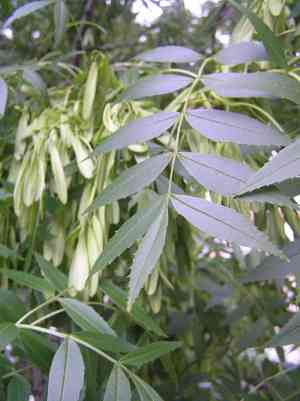
The tree features slender, elongated leaves that give it an elegant and unique look. This aesthetic quality makes it a popular choice for landscaping, adding grace to parks, gardens, and city streets. Its bark is smooth and grey when young, becoming deeply furrowed and dark as it ages, enhancing its visual appeal.
How Narrow-leaved ash Enhances Environmental Quality
Air Purification
A key benefit of Narrow-leaved ash is its capacity to cleanse the air. The tree absorbs pollutants like nitrogen dioxide, sulfur dioxide, and particulate matter, thereby lowering the concentration of harmful substances in the atmosphere. This function is especially valuable in urban areas, where air pollution is a significant concern.
Soil Stabilization
Narrow-leaved ash aids in soil stabilization through its extensive root system. Its roots help prevent soil erosion by binding the soil, which is particularly useful in areas prone to flooding or landslides. This not only maintains landscape integrity but also supports other plant life by preserving soil health.
The Role of Narrow-leaved ash in Sustainable Landscaping
Urban Greening Initiatives
Narrow-leaved ash is an excellent choice for urban greening projects due to its resilience and minimal upkeep. Cities worldwide are increasingly incorporating this tree into their green spaces to boost biodiversity, lessen the urban heat island effect, and improve the overall quality of urban living.
Aesthetic and Recreational Value
Beyond its environmental advantages, Narrow-leaved ash offers considerable aesthetic and recreational value. Its unique appearance and shade-providing canopy make it a preferred option for parks and gardens. The tree's presence can transform a simple green space into a lively and inviting area for leisure and relaxation, promoting residents' health and well-being.
Can Narrow-leaved ash Boost Your Local Ecosystem?
Support for Wildlife
Narrow-leaved ash plays a vital role in supporting local wildlife. The tree provides habitat and food for various insects, birds, and small mammals. Its blossoms attract pollinators like bees and butterflies, while its seeds serve as sustenance for birds during autumn and winter. This biodiversity support is crucial for maintaining a healthy and balanced ecosystem.
Contribution to Biodiversity
Planting Narrow-leaved ash contributes to local biodiversity by introducing a native species into the environment. This helps create a more resilient and diverse ecological network, better able to withstand environmental changes and stresses. By fostering biodiversity, Narrow-leaved ash helps ensure the sustainability of the local ecosystem for future generations.
Practical Applications of Narrow-leaved ash in Everyday Life
Wood and Timber Use
The wood of Narrow-leaved ash is valuable for various practical uses. It is known for its strength and flexibility, making it suitable for furniture, flooring, and tool handles. These qualities also make it a favored material for artisanal crafts and woodworking projects.
Shade and Shelter
In both urban and rural settings, Narrow-leaved ash provides essential shade and shelter. Its canopy offers relief from the sun during hot summer months, creating comfortable outdoor spaces for people to enjoy. Additionally, it acts as a windbreak in open areas, protecting other plants and reducing wind erosion.
Why Should You Consider Planting Narrow-leaved ash?
Environmental Stewardship
Planting Narrow-leaved ash is an act of environmental stewardship. By incorporating this tree into your garden or community space, you are contributing to a healthier, more sustainable environment. Its numerous benefits make it a valuable addition to any green initiative, helping to combat pollution, support biodiversity, and enhance the aesthetic quality of the landscape.
Long-term Investment
Investing in Narrow-leaved ash is a long-term commitment to the environment and community well-being. The tree's longevity and low maintenance needs make it a cost-effective choice for individuals and municipalities alike. Over time, the tree will continue to provide benefits, ensuring that future generations can enjoy a cleaner, greener world.



