How to Propagate Narrow-leaved ash?
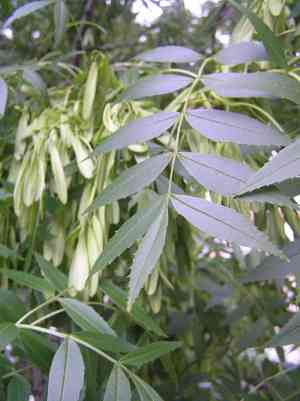
Fraxinus angustifolia can be multiplied through dormant wood cuttings, air layering, and planting seeds during the fall and winter seasons. Its propagation presents a moderate challenge, with indicators of successful establishment being fresh shoots and root formation. To ensure successful propagation, maintain adequate moisture for the cuttings and shield them from severe environmental elements.
Optimal Time for Narrow-leaved Ash Propagation?
Propagation Method
Cutting
Propagation Period
Autumn,Winter
Tools for Narrow-leaved Ash Propagation?
Pruning Shears
These are vital for taking cuttings from narrow-leaved ash. They ensure a clean, precise cut, minimizing harm and stress to both the parent plant and the cutting. For narrow-leaved ash, sharp, sterilized shears boost propagation success by lowering infection risk and ensuring healthy cuttings.
Rooting Hormone
This product stimulates root development on narrow-leaved ash cuttings. Dipping the stem's cut end into the hormone encourages quicker, more reliable root production, especially beneficial for hardwood cuttings that might otherwise take longer to root.
Propagation Tray
Designed to hold multiple cuttings, these trays enable efficient organization and space use. They often include a clear dome to maintain high humidity around narrow-leaved ash cuttings, which is crucial for preventing dehydration before roots establish.
Potting Mix
A well-draining, sterile potting mix provides an ideal environment for narrow-leaved ash cuttings. It supports root growth by offering essential aeration and moisture retention without being too dense or promoting fungal growth, which could harm delicate new roots.
Misting Bottle
Gentle misting is key for keeping narrow-leaved ash cuttings hydrated without overwatering. A misting bottle allows for controlled moisture application, maintaining the necessary humidity around the cutting to prevent it from drying out before rooting.
Heat Mat
For narrow-leaved ash, consistent temperature aids the rooting process. A heat mat gently warms the propagation tray from below, fostering healthy root development by providing a stable thermal environment, particularly in cooler months.
Label and Marker
Labels are important for tracking narrow-leaved ash cutting progress. They can mark the propagation date and other relevant details, such as the cutting source. This helps manage the process and monitor cutting growth and health over time.
Caring for Your Newly Propagated Narrow-leaved Ash
Caring for Your Newly Propagated Narrow-leaved Ash
Once narrow-leaved ash cuttings have rooted, gradually acclimate them to outdoor conditions by removing the plastic cover for a few hours daily. After full acclimatization, transplant them into individual pots and continue growing in a sheltered spot with filtered sunlight. Water regularly to maintain soil moisture and apply a general-purpose fertilizer one month post-transplant. Prune narrow-leaved ash to maintain shape and encourage bushier growth, while also monitoring for pests and diseases.
Common Errors to Avoid When Propagating Narrow-leaved Ash
Over-watering
Excessive watering of narrow-leaved ash can lead to root rot, a condition where overly moist soil promotes fungal growth that can kill young plants.
Poor cutting selection
Choosing weak or diseased narrow-leaved ash cuttings can result in poor or no root development, as they lack the vitality needed for successful propagation.
Using unsterilized tools
Propagation failure and disease transmission can occur when unsterilized pruning tools are used to take narrow-leaved ash cuttings.
Neglecting humidity needs
Failure to maintain a high-humidity environment for narrow-leaved ash cuttings can lead to desiccation and death before they can root.
Planting cuttings too deep
Burying narrow-leaved ash cuttings too deeply can encourage rotting before they have rooted and are unable to absorb water effectively.
Tips For Propagating Narrow-leaved Ash
Proper cutting preparation
Select healthy, robust semi-hardwood cuttings from narrow-leaved ash and prepare them by making a clean cut just below a leaf node. This promotes better root development.
Sterilize equipment
Always sterilize pruning tools before cutting narrow-leaved ash to prevent disease spread.
Rooting hormone application
Dip the cut end of narrow-leaved ash cuttings in rooting hormone to encourage root growth and increase successful propagation chances.
Appropriate soil mix
Use a well-draining, sterile soil mix to prevent waterlogging and support healthy growth of narrow-leaved ash root systems.
Create humidity
Cover narrow-leaved ash cuttings with a clear plastic bag or place them in a greenhouse to maintain the necessary high-humidity environment for root development.



