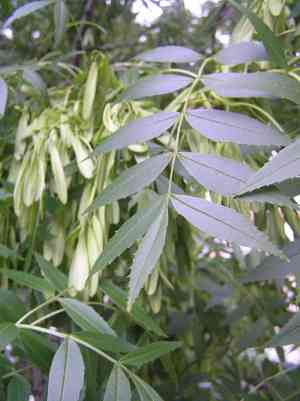
Narrow-leaved ash (Fraxinus angustifolia)
Also known as: Raywood ash
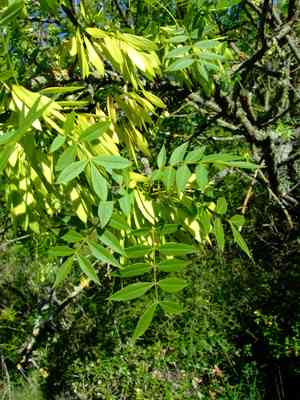
Narrow-leaved ash (Fraxinus angustifolia) is a deciduous tree that will grow from 18 to 24 m tall. It blooms in spring with small greenish flowers. Fast-growing with small narrow leaves that have a lacy-textured appearance and turn to a beautiful golden yellow in fall. Winged seeds ripen in fall. It grows in full sun with moist to medium well-drained soil.
In This Article
Attributes of Narrow-leaved ash
Lifespan
Perennial
Plant Type
Tree
Plant Height
20 m to 30 m
Spread
9 m to 12 m
Leaf Color
Green Yellow Red Gold Purple
Flower Size
2.5 cm
Flower Color
Green Yellow
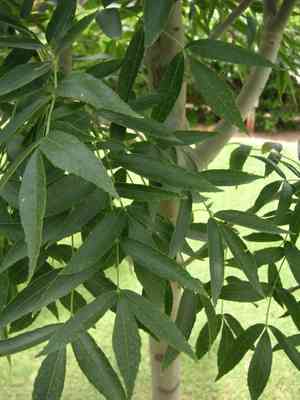
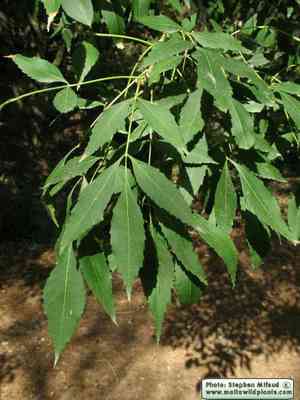
Images of Narrow-leaved ash

Quickly Identify Narrow-leaved ash
1
Fraxinus angustifolia can be identified by its narrow leaflets, usually 3-9 in a group, and by its smooth, gray bark which becomes fissured with age. The keys, or samaras, are winged and can be identified in the late summer.
Scientific Classification of Narrow-leaved ash
Phylum
Vascular plants
Class
Dicotyledons
Order
Lamiales
Family
Olive
Genus
Ashes
Species
Narrow-leaved ash
Planting and Growing of Narrow-leaved ash
Care Difficulty
Easy
Watering Schedule
Every 3 days
Sunlight Requirements
Full sun
Sunshine Duration
6-10 hours
Ideal Temperature
60-75℉
Soil Type
Potting Mix, Peat Mix
Soil pH
6.5-7.5
Fertilizer Type
Balanced
Pruning Season
Spring, Summer
Pruning Area
Branches, Leaves
Pruning Frequency
2 times a year
Repotting Season
Spring
Pot Type
Plastic, Ceramic
 How to Water Narrow-leaved ash?
For Fraxinus angustifolia, water until the soil feels consistently moist but not waterlogged. It's essential to ensure water reaches deeper roots, especially during warmer months.
More About Watering Techniques→
What are the symptoms of an underwatered Narrow-leaved ash?
›
What should I do if my Narrow-leaved ash is not getting enough water?
›
What are the symptoms of an overwatered Narrow-leaved ash?
›
How to save an overwatered Narrow-leaved ash?
›
 What Are the Sunlight Requirements for Narrow-leaved ash?
Fraxinus angustifolia thrives in full to partial sun conditions. Ideal light improves photosynthesis, fueling vigorous growth, lush green leaves, and enhances resilience to adverse weather. This lighting ensures a healthy, vibrant tree structure aiding in ecosystem balance.
More About Sunlight Requirements Techniques→
What is the ideal amount of sunlight for Fraxinus angustifolia?
›
Why is this amount of sunlight essential?
›
What happens if Fraxinus angustifolia receives adequate sunlight?
›
 What Is the Ideal Temperature Range for Narrow-leaved ash?
Fraxinus angustifolia thrives best in a temperature range of 60 to 75°F. These temperatures provide an optimum balance for physiological processes like photosynthesis and respiration, allowing the plant to grow vigorously.
 What Soil is Best for Narrow-leaved ash?
Fraxinus angustifolia thrives in nutrient-rich soils, as such environments provide essential minerals that promote vigorous growth and sustainable development of foliage and roots. A well-draining soil is crucial for Fraxinus angustifolia, preventing waterlogging that can lead to root rot. This requirement ensures proper aeration and nutrient flow to the root system. This species appreciates soil that retains some moisture, which helps in maintaining steady growth, especially during dry spells, ensuring that the plant remains hydrated and healthy.
More About Soil→
 How to Fertilize Narrow-leaved ash?
Fraxinus angustifolia, commonly known as narrow-leaved ash, requires moderate amounts of fertilizer to thrive. When applying fertilizer, use approximately 0.5 pounds of nitrogen per inch of trunk diameter annually. This amount ensures that the tree receives sufficient nutrients for optimal growth while avoiding over-fertilization, which can damage its roots and overall health.
More About Fertilizing Techniques→
 How to Prune Narrow-leaved ash?
When pruning Fraxinus angustifolia, start by removing any dead, damaged, or diseased branches. Use sharp pruning shears to make clean cuts just outside the branch collar. Aim to open up the canopy for better air circulation by thinning out overcrowded branches, ensuring you retain the tree's natural shape. Finally, cut back any branches that are growing at an unnatural angle or those crossing or rubbing against others.
More About Pruning Techniques→
 How to Propagate Narrow-leaved ash plant?
1
Gather seeds from mature Fraxinus angustifolia trees during autumn. Ensure the seeds are fully matured and dry them in a cool, dry location to prepare for sowing in the spring.
2
Select healthy, disease-free branches for cuttings in early summer. Cuttings should be approximately 10-15 centimeters long, and cuts should be made at a 45-degree angle for optimal rooting.
3
Plant seeds or cuttings in nutrient-rich, well-draining soil. For seeds, sow them in seed trays, and for cuttings, dip the cuttings in rooting hormone before planting. Maintain adequate moisture levels and monitor for signs of growth.
 How to Repot Narrow-leaved ash plant?
1
Look for signals such as roots poking through the drainage holes, soil drying out too quickly, or slow growth. These are signs that your Fraxinus angustifolia needs more space and fresh nutrients, making it the perfect time for repotting.
2
Opt for a pot that is one size larger than the current one, with good drainage holes. This allows for root expansion and prevents waterlogging, ensuring the roots have the perfect environment to thrive.
3
Use well-draining loamy soil that retains enough moisture while allowing excess water to escape. This will provide the right support and nutrients for robust growth and prevent root rot.



