Optimal Soil for Growing Narrow-leaved ash: What You Need to Know
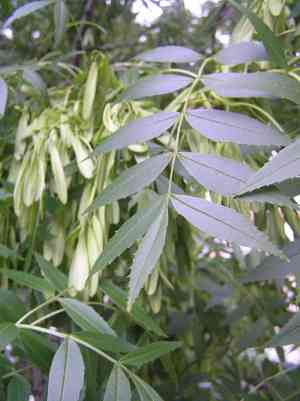
1
Maintain a soil pH of 6.5 to 8 for Narrow-leaved ash to achieve best development.
2
Adding aged organic material greatly enhances soil quality and promotes tree vigor.
3
Consistent mulching aids in moisture retention, temperature control, and weed prevention.
Optimal Soil Type for Narrow-leaved Ash
Well-Drained Substrate
The Narrow-leaved ash flourishes best in soil that drains effectively. This soil type prevents water from pooling around the root system, thereby averting root decay and other moisture-related ailments. Opt for a soil blend featuring a good proportion of sand, silt, and clayâoften termed loamy soil. Loamy soil offers an ideal balance of water drainage and nutrient retention, ensuring the tree's roots receive ample oxygen while accessing vital nutrients.
Soil Acidity/Alkalinity Levels
The pH level of the soil is critical for the Narrow-leaved ash. Ideally, the soil's pH should range from 6.5 to 8. This slightly acidic to mildly alkaline spectrum enables the tree to efficiently absorb nutrients from the ground. Consistently monitor pH levels with a soil pH meter, and adjust with lime or sulfur as necessary to maintain the optimal range.
Organic Material Content
Incorporating organic matter into the soil improves its structure and nutrient richness. Compost, decomposed foliage, and well-aged manure are excellent sources of organic material. These components enhance soil aeration, water retention, and provide a gradual release of nutrients, promoting healthier development for your Narrow-leaved ash. Aim to mix a layer of organic matter into the top 15â22 cm (6â9 inches) of your soil.
Preparing Soil for Narrow-leaved Ash Planting
Soil pH Assessment
Prior to planting your Narrow-leaved ash, a soil pH assessment is crucial. You can acquire a home soil pH testing kit or submit a soil sample to a local agricultural extension office for a detailed analysis. This initial step helps determine if modifications are needed to achieve optimal pH levels. It's a straightforward process that yields essential information for your future tree's well-being.
Soil Amendments
If the soil pH falls outside the ideal range of 6.5 to 8, adjustments can be made. For acidic soils, lime can be used to elevate the pH. For overly alkaline soils, elemental sulfur or acidifying fertilizers can lower the pH. It's also beneficial to add organic matter or compost to enhance soil fertility and structure. Approximately 4â8 cm (1.5â3 inches) of organic matter should be blended into the soil's upper layer.
Cultivation and Aeration
Proper cultivation and aeration are vital for preparing soil for planting. Cultivate the soil to a depth of about 30 cm (12 inches) to break up compacted earth and encourage root penetration. This process also helps uniformly mix in organic matter and amendments. Aeration can be further improved by using a garden fork or aerator tool, ensuring a loosely packed soil that supports robust root growth.
Maintaining Soil Health for Narrow-leaved Ash
Routine Soil Analysis
To sustain optimal growing conditions for your Narrow-leaved ash, perform soil tests annually. Regular testing helps you track changes in soil composition and pH levels, enabling timely corrections. This practice ensures your tree consistently receives the necessary nutrients to flourish.
Mulching Practices
Mulching is an effective method for preserving soil health. Apply a 5â8 cm (2â3 inch) layer of organic mulch, such as wood chips or bark, around the tree's base, avoiding direct contact with the trunk. Mulch aids in moisture retention, weed suppression, and moderates soil temperature. Additionally, as the mulch decomposes, it enriches the soil with valuable organic matter.
Fertilization Regimen
Fertilizing your Narrow-leaved ash ensures it obtains the essential nutrients for vigorous growth. Utilize a balanced, slow-release fertilizer in early spring. Excessive fertilization can harm your tree, so adhere to the recommended dosage and consider a fertilizer that provides a balanced ratio of nitrogen, phosphorus, and potassium. A good practice is to distribute the fertilizer evenly over the root zone and water thoroughly.
Common Soil Problems and Solutions for Narrow-leaved Ash
Compressed Soil
Compressed soil impedes root development and restricts water and nutrient absorption. To alleviate soil compaction, aerate the soil using a garden fork or mechanical aerator, particularly in frequently trodden areas. Incorporating organic matter can also help improve soil structure and lessen compaction.
Nutrient Deficiencies
A common soil issue is nutrient deficiency, which can hinder tree growth. Address this by conducting regular soil tests to pinpoint missing nutrients. Use appropriate amendments or fertilizers to replenish the soil's nutrient content based on test results. Organic compost or well-rotted manure are excellent supplements to enhance nutrient availability.
Excessive Moisture Levels
Excessive moisture can lead to root rot and other fungal diseases. Ensure proper drainage by planting Narrow-leaved ash in well-drained soil and avoiding areas with poor drainage. If waterlogging is a problem, raised beds or amending the soil with coarse sand to improve drainage can be effective remedies.



