Optimal Fertilizer for Growing Narrow-leaved ash: What You Need to Know
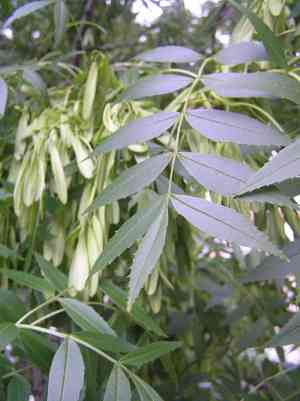
1
Nourish Narrow-leaved ash trees in springtime to support peak nutrient absorption and development.
2
Observe for indications of foliage yellowing or inhibited growth, as these could signal nutrient shortages.
3
Both natural and artificial fertilizers are suitable, though organic choices promote enduring soil vitality.
Understanding the Nutritional Needs of Narrow-leaved ash
Essential Nutrients for Healthy Growth
For your Narrow-leaved ash to flourish, it needs a balanced supply of vital nutrients. These include nitrogen (N), phosphorus (P), and potassium (K), often called NPK. Nitrogen encourages lush, green foliage, phosphorus aids root growth and flower production, and potassium helps build strong cell walls and overall resilience. Additionally, micronutrients like iron, magnesium, and manganese are crucial for photosynthesis and enzyme function. Ensuring a balanced intake of these nutrients helps your tree grow vigorously.
Signs of Nutrient Deficiency
Nutrient shortages can appear in various ways, affecting the overall health of your Narrow-leaved ash. Common indicators include yellowing or browning leaves, stunted development, poor leaf formation, and premature leaf drop. For instance, a lack of nitrogen typically causes older leaves to yellow, while an iron deficiency will result in young leaves that are yellow with green veins. Paying attention to these symptoms can help you identify and resolve nutrient problems quickly.
Choosing the Right Fertilizer for Narrow-leaved ash
Types of Fertilizers Suitable for Ash Trees
Selecting the correct fertilizer is vital for the well-being of your Narrow-leaved ash. Various types of fertilizers are appropriate, including balanced, slow-release, or specific NPK ratios. For example, a balanced 10-10-10 fertilizer provides equal parts of nitrogen, phosphorus, and potassium. Slow-release fertilizers deliver a steady supply of nutrients over time, reducing the risk of over-fertilization and helping to maintain soil moisture. Both granular and liquid fertilizers can be effective; however, granular fertilizers are often preferred for trees as they release nutrients more gradually.
Organic vs. Synthetic Fertilizers
When choosing between organic and synthetic fertilizers, consider the advantages and disadvantages of each. Organic fertilizers, such as compost, manure, or bone meal, improve soil structure and promote microbial activity, which benefits long-term soil health. They release nutrients slowly and are less likely to cause nutrient burn. On the other hand, synthetic fertilizers offer immediate nutrient availability and are easy to apply with precise nutrient ratios. However, they can contribute to soil degradation over time if not used carefully. Ultimately, the choice depends on your gardening philosophy and the specific needs of your tree.
When and How Often to Fertilize Narrow-leaved ash
Best Times of Year for Fertilization
Fertilizing your Narrow-leaved ash at the correct time maximizes its growth and health benefits. The ideal time to fertilize is during the spring, just as new growth commences. This timing aligns with the tree’s natural growth cycle, ensuring that nutrients are available when the tree needs them most. Spring fertilization supports robust leaf development and prepares the tree for a healthy growing season.
Frequency of Fertilization Throughout the Year
How often you fertilize your Narrow-leaved ash can impact its vitality. Generally, fertilizing once a year in spring is sufficient for mature trees. However, younger trees or those showing signs of nutrient deficiency may benefit from an additional application in late summer or early fall. Avoid fertilizing in late fall or winter as the tree is entering dormancy and won’t effectively utilize the added nutrients. Over-fertilization can lead to excessive growth and other health issues, so it’s crucial to follow recommended guidelines.
Applying Fertilizer Correctly to Narrow-leaved ash
Step-by-Step Fertilization Techniques
Proper application methods ensure your Narrow-leaved ash gets the most out of the fertilizer. Here is a step-by-step guide:Measure the tree's drip line, as this is the area where most root absorption occurs.Follow the manufacturer's instructions to determine the appropriate amount of fertilizer.Spread granular fertilizer evenly around the drip line, avoiding the trunk base.Water thoroughly after application to help the fertilizer penetrate the soil.For liquid fertilizers, mix according to instructions and apply using a garden sprayer, ensuring even coverage.
Avoiding Common Fertilization Mistakes
Errors in fertilization can harm your Narrow-leaved ash. Some common mistakes include over-fertilizing, which can lead to nutrient burn and root damage, and under-fertilizing, which can result in insufficient nutrient supply. Avoid applying fertilizer too close to the trunk to prevent root burn. Additionally, improper timing, such as late fall applications, can promote unwanted growth before dormancy, making the tree vulnerable to winter damage. Always follow guidelines and adjust based on your tree’s specific needs.
Monitoring the Impact of Fertilization on Narrow-leaved ash
Observing Growth and Health Post-Fertilization
After fertilizing your Narrow-leaved ash, it’s important to monitor its response. Look for signs of improved health, such as vibrant leaf color, increased growth, and a more robust canopy. Regularly inspect the tree for any signs of continued deficiencies or issues. Positive changes typically indicate that the tree is effectively utilizing the nutrients provided.
Adjusting Fertilization Practices Based on Tree Response
Based on your observations, you may need to modify your fertilization practices. If the tree shows signs of over-fertilization, such as leaf burn or excessive growth, reduce the quantity or frequency of applications. Conversely, if deficiencies persist, consider additional soil tests or a change in fertilizer type. Consistent monitoring and adjusting ensure your Narrow-leaved ash receives the appropriate nutrients for optimal health and growth.



