Enhancing Your Garden Design with the Narrow-leaved ash Plant: A Landscaping Guide
1
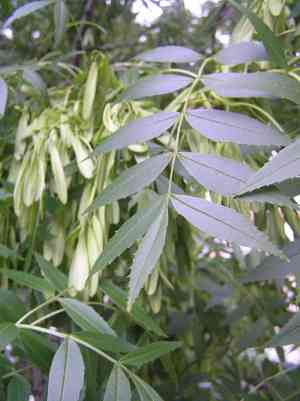
The slender-leaved ash presents a distinctive aesthetic with its unique leaves.
2
Strategic positioning of the slender-leaved ash can establish striking central features in your outdoor space.
3
Cultivating the slender-leaved ash delivers environmental advantages like shade provision and enhanced air purity.
Appreciating the Visual Charm of Narrow-leaved Ash
The distinct aesthetic qualities of Narrow-leaved ash
A prominent feature of Narrow-leaved ash is its slender, elongated foliage, lending the plant a graceful and refined look. These narrow leaves introduce texture and visual interest to your outdoor space, distinguishing it from typical garden flora. Its subdued green hue offers a calming backdrop, integrating well with diverse landscape color schemes.
Seasonal transformations and their landscape impact
Narrow-leaved ash undergoes stunning changes throughout the year, providing dynamic visual appeal to your garden across all seasons. In spring and summer, its vibrant green leaves create a lush appearance. By autumn, these same leaves transition to a golden-yellow, offering a striking contrast against the fall scenery. These seasonal shifts help maintain a lively and engaging garden year-round.
How Narrow-leaved ash complements other plants in design
When strategically placed, Narrow-leaved ash can serve as an excellent companion to other plants in your garden. Its understated foliage allows it to seamlessly integrate with flowering plants, shrubs, and other trees, enhancing their beauty without overshadowing them. Furthermore, the gentle shade provided by Narrow-leaved ash can create a suitable environment for shade-loving plants, fostering a layered and diverse landscape.
Optimal Positioning of Narrow-leaved Ash in Landscaping Projects
Considerations for placement
When determining where to position Narrow-leaved ash in your landscape, it's vital to assess factors such as sunlight exposure, soil composition, and available area. Narrow-leaved ash thrives in well-drained soil and locations receiving ample sunlight. Also, account for the plant's mature size to ensure sufficient room for growth without crowding other plants. Proper placement significantly influences the health and visual appeal of Narrow-leaved ash.
Maximizing space and coherence
To optimize your gardening area, it's beneficial to utilize Narrow-leaved ash in a way that enhances both aesthetics and functionality. Strategically placing Narrow-leaved ash along paths or property boundaries can establish natural screens or borders, adding privacy and structure to your garden. Interspersing them with flowering plants or evergreens can introduce depth and harmony, creating a well-balanced landscape.
Establishing focal points with Narrow-leaved ash
Incorporating Narrow-leaved ash as a central feature in your garden design can attract attention and provide a sense of organization. Positioning it at key spots like the center of a lawn, near patios, or beside water features can transform it into a striking centerpiece. The unique texture and seasonal changes of Narrow-leaved ash can captivate the eye and unify the various elements of your landscape design.
Landscaping Advantages of Narrow-leaved Ash
Ecological benefits: Shade and habitat provision
Beyond its visual charm, Narrow-leaved ash offers several ecological advantages. It provides ample shade, which can cool your garden space and lessen the need for artificial cooling. The tree also furnishes habitats for various birds and insects, promoting biodiversity in your garden. These small habitats can significantly contribute to maintaining a balanced ecosystem.
Improving air quality and reducing erosion
Planting Narrow-leaved ash can positively impact air quality by absorbing pollutants and releasing oxygen. Its root system helps stabilize the soil, mitigating erosion and preserving soil structure. These environmental benefits make Narrow-leaved ash a valuable addition not just for its beauty but also for its practical contributions to a healthier garden.
Long-term growth and upkeep
Narrow-leaved ash is recognized for its vigorous growth and relatively low maintenance once established. Regular watering and minimal pruning are typically sufficient to keep Narrow-leaved ash healthy. This long-term dependability means you can enjoy its benefits and beauty for many years without investing extensive time and resources into care and upkeep.



