How to Transplant Hart's-tongue fern?
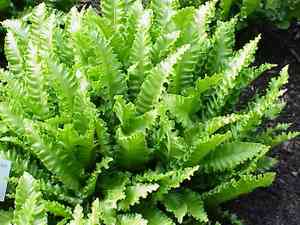
The most favorable period for relocating hart's-tongue fern is from late spring to early summer, when temperatures are mild, which encourages vigorous development. Select locations that offer shade and possess damp, adequately draining earth. Boost the likelihood of success by guaranteeing careful handling and safeguarding the root system throughout the procedure.
What Preparations are Needed Before Transplanting Hart's-tongue Fern?
What is the Ideal Time for Transplanting Hart's-tongue Fern?
Relocating hart's-tongue fern when late spring's warmth or early summer's arrival graces the garden allows root establishment during mild conditions, boosting its growth and resilience. Moving hart's-tongue fern during this gentle shift offers the perfect balance of moderate temperatures, enabling smooth adaptation to its new spot without extreme heat or cold. A friendly reminder - time it right to give hart's-tongue fern the best start in its new home!
How Much Space Should You Leave Between Hart's-tongue Fern Plants?
When moving hart's-tongue fern, ensure they are spaced roughly 1-2 feet (30-60 cm) apart. This provides ample room for growth without overcrowding, guaranteeing each plant receives sufficient nutrients and space to flourish.
What is the Best Soil Mix for Hart's-tongue Fern Transplanting?
For hart's-tongue fern, you'll want a well-drained, humus-rich soil. Enthusiastic gardeners might even consider enriching the soil with an organic matter-based fertilizer before planting to give hart's-tongue fern a nutritional head start in its new environment!
Where Should You Relocate Your Hart's-tongue Fern?
Choose a spot with indirect sunlight or partial shade for your hart's-tongue fern. Avoid areas that receive harsh, direct midday sun, as it can harm hart's-tongue fern. Maintain a temperature of about 50-86 degrees Fahrenheit (10-30 degrees Celsius) for optimal results.
What Equipments Should You Prepare Before Transplantation Hart's-tongue Fern?
Gardening Gloves
To shield your hands from dirt, pests, and sharp roots or thorns during transplantation.
Garden Shovel/Spade
Perfect for excavating the plant from its original spot and creating a hole in the new location.
Garden Trowel
This tool is excellent for carefully removing hart's-tongue fern from pots or trays without harming the roots.
Watering Can
Required to hydrate the plant before and after the procedure.
Pruning Shears
These might be necessary to trim any damaged roots or stems.
Wheelbarrow or Container
Useful for safely transporting hart's-tongue fern to its new site.
How Do You Remove Hart's-tongue Fern from the Soil?
How Do You Remove Hart's-tongue Fern from the Soil?
From Ground: Water the hart's-tongue fern plant area 24-48 hours prior to transplanting to loosen the soil, making it easier to manage. Dig a generous trench around the hart's-tongue fern using a spade or shovel, being mindful of the root ball. Gently lift the root ball from the soil, ensuring minimal damage to the roots. Place the hart's-tongue fern in a wheelbarrow or container for transfer to its new location.From Pot: It's advisable to water the plant a day before transplanting. Invert the pot or turn it on its side, supporting the hart's-tongue fern with your hand. With a gentle tap or squeeze, the plant should slide out with its soil. If needed, use a garden trowel to carefully dislodge the root ball from the pot.From Seedling Tray: Carefully lift the hart's-tongue fern seedling using a spoon or similar utensil. Ensure you don't harm the delicate roots and try to retain as much attached soil as possible.
Step-by-Step Guide for Transplanting Hart's-tongue Fern
Digging the Hole
At the chosen site, excavate a hole twice as wide and roughly the same depth as the root ball of your hart's-tongue fern.
Preparing the Plant
Inspect the hart's-tongue fern roots for any damage. Any compromised or diseased roots should be trimmed using pruning shears.
Placing the Plant
Position the hart's-tongue fern in the hole with the top of the root ball level with the ground. Backfill the hole with soil, ensuring no air pockets remain.
Watering
Once the hole is filled, thoroughly water the hart's-tongue fern plant using your watering can. This aids in soil settlement and the plant's adjustment to its new environment.
How Do You Care For Hart's-tongue Fern After Transplanting?
Watering
For the initial weeks post-transplant, ensure the soil around the hart's-tongue fern remains consistently moist but not waterlogged. Excessive watering can lead to root rot and other issues.
Monitoring
Closely observe your hart's-tongue fern for the first few weeks after relocation. Watch for signs of transplant shock, such as wilting or yellowing leaves. If these symptoms appear, it may require more attention.
Pruning
If any of the hart's-tongue fern's leaves become dry or yellow after transplanting, remove them with pruning shears to help the plant prioritize new growth.
Protection
It's wise to shield newly transplanted plants from intense sun and winds until they show signs of new growth. A shade cloth can offer sun protection, while a windbreak can be used for wind defense.
Troubleshooting Common Issues with Hart's-tongue Fern Transplantation.
When is the best time to transplant hart's-tongue fern?
The optimal period to move hart's-tongue fern is during late summer to early fall (S3-S4). This is typically when the plant is less active, making it a good time for relocation.
How can I prepare the soil for hart's-tongue fern transplantation?
The soil should be well-drained and rich in organic matter. Dig a hole approximately 12 inches (30 cm) deep, mix the excavated soil with compost for enrichment, and then backfill the hole for planting hart's-tongue fern.
What is the right spacing when transplanting hart's-tongue fern?
To allow sufficient room for development, place hart's-tongue fern 1-2 feet (30-60 cm) apart. This maintains proper air circulation and helps prevent fungal diseases.
Why is my transplanted hart's-tongue fern wilting or the leaves turning yellow?
Wilting or yellowing leaves might indicate either overwatering or underwatering. Monitor moisture levels carefully and adjust irrigation as needed to keep the soil moist, not saturated.
What depth should hart's-tongue fern be buried when transplanting?
When transplanting, bury hart's-tongue fern just deep enough so the plant stands upright. The base of the leaves should rest slightly above the soil surface.
How can I ensure successful hart's-tongue fern transplantation?
Ensure the new planting area is prepared beforehand, water thoroughly after transplantation, avoid moisture and temperature extremes, and keep an eye on the plant's health.
Why is my transplanted hart's-tongue fern slow in showing new growth?
Post-transplant shock could be the reason if hart's-tongue fern is slow to exhibit new growth. Try to lessen stress by providing adequate water, sunlight, and possibly a root stimulator for better establishment.
How should I water hart's-tongue fern after transplanting?
Hart's-tongue fern prefers consistently moist soil but not waterlogged. Therefore, watering every other day after transplantation until the plant is well-established should suffice.
How soon can I fertilize hart's-tongue fern after transplantation?
Wait at least one month before initiating any fertilization. Once started, use a controlled-release fertilizer or well-composted organic matter to gently nourish hart's-tongue fern.
Can I transplant hart's-tongue fern indoors?
Indeed, hart's-tongue fern thrives both indoors and outdoors. Ensure it receives medium to low light and keep the soil consistently moist when bringing it inside.



