How to Prune Hart's-tongue fern?
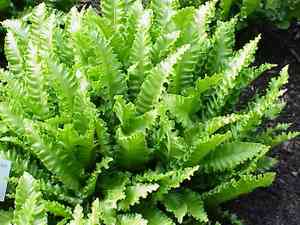
This perennial fern is notable for its glossy, ribbon-like leaves. To ensure the well-being of hart's-tongue fern, detach aged or compromised fronds from their base. Perform trimming in early spring or late winter for peak development. Trimming stimulates new, vigorous foliage and deters ailments by enhancing air movement. For hart's-tongue fern specifically, refrain from severing undeveloped, brittle, curled brown leaf tips, as these contain nascent fronds.
What Are the Benefits of Pruning Hart's-tongue Fern?
What Are the Benefits of Pruning Hart's-tongue Fern?
Trimming hart's-tongue fern promotes more robust development and helps preserve its desired form. It eliminates dead or injured fronds, leading to a tidier and more visually appealing look.
What Is the Best Time for Pruning Hart's-tongue Fern?
What Is the Best Time for Pruning Hart's-tongue Fern?
Pruning is best done in late winter and early spring because hart's-tongue fern is dormant then. Trimming before the growth cycle begins allows for the removal of dead or damaged fronds before energy is used for new growth. This timing reduces stress on hart's-tongue fern, avoids disrupting its natural growth, and ensures the plant's resources are directed to producing healthy new fronds in the upcoming season.
What Tools Do I Need to Prune Hart's-tongue Fern?
Small, Sharp Scissors or Snips
For precise cuts, small, sharp scissors or snips are ideal for hart's-tongue fern, enabling clean cuts without harming the delicate fronds.
Hand Pruners
Hart's-tongue fern may occasionally require the removal of larger, tougher, or dead fronds; hand pruners are suitable as they provide a clean cut and can handle thicker stems without crushing plant tissue.
Gloves
Wearing gloves while pruning hart's-tongue fern helps protect the gardener's hands and prevents the spread of any potential diseases between plants.
Disinfectant for Tools
Cleaning and disinfecting tools before and after use on hart's-tongue fern is crucial to prevent disease spread. Use a suitable disinfectant for gardening tools, such as alcohol or a bleach solution.
How to Prune Hart's-tongue Fern
Step1: Tool Preparation and Sterilization
Prepare the necessary tools for pruning hart's-tongue fern, such as sharp and sterilized scissors or pruning shears. Clean the blades with alcohol to prevent disease spread. Wear gloves for protection.
Step2: Identifying Dead and Damaged Fronds
Examine hart's-tongue fern thoroughly to identify fronds needing trimming. Focus on dead fronds that are brown and crispy, and damaged fronds showing signs of physical injury or disease.
Step3: Removing Dead Fronds at Base
Begin by removing dead fronds. Carefully cut each dead frond at its base where it meets the root rhizome or central rosette. Ensure cuts are clean and as close to the base as possible without harming the rosette.
Step4: Pruning Partially Damaged Fronds
Next, prune the damaged fronds. If a frond is partially damaged, cut it back to a healthy section if possible. If damage is extensive, remove the entire frond at the base, similar to how dead fronds are handled.
Step5: Conserving Natural Shape During Pruning
Avoid excessive pruning by only removing dead and damaged fronds. Hart's-tongue fern generally doesn't need extensive pruning, so maintain its natural shape.
Step6: Proper Disposal of Trimmed Fronds
Dispose of trimmed fronds properly by placing them in a compost pile or with yard waste to prevent the spread of potential pathogens.
Step7: Post-Pruning Watering
After pruning, water hart's-tongue fern lightly to aid recovery from pruning stress. Ensure good drainage to prevent waterlogging, which can lead to root rot.
Step8: Monitoring Fern for New Growth
Monitor hart's-tongue fern after pruning for new growth. Healthy ferns often produce new fronds quickly during their growing season. Adjust care as needed to encourage robust growth.
Step9: Cleaning and Storing Pruning Tools
Clean and store your pruning tools properly after use. Keeping tools clean and sharp ensures they are ready for the next pruning session and extends their lifespan.
Post-Pruning Care for Hart's-tongue Fern
Post-Pruning Care for Hart's-tongue Fern
After pruning hart's-tongue fern, immediately water the soil to aid recovery. Maintain a humid, well-ventilated environment, with indirect sunlight and temperatures between 65-75°F. Apply a balanced, diluted liquid fertilizer monthly to support growth. Regularly inspect hart's-tongue fern for stress signs, such as browning fronds or wilting, and reduce stressors accordingly. Thoroughly sanitize pruning tools to prevent infection and prune again only when necessary.
Common Pruning Mistakes with Hart's-tongue Fern
Avoid Pruning Green Fronds
Cutting healthy, green fronds from hart's-tongue fern can be a common error, as these are crucial for photosynthesis and the plant's overall health.
Don't Cut Fronds Near Crown
Cutting fronds too close to the crown risks damaging the central growth point of hart's-tongue fern.
Do Not Over-Prune
Removing too many fronds at once can stress hart's-tongue fern and hinder its ability to recover and thrive.
Always Sterilize Pruning Tools
Pruning without sterilizing tools can introduce pests or diseases to hart's-tongue fern.
Properly Dispose of Pruned Fronds
Discarding pruned fronds nearby could harbor pests or diseases that might affect hart's-tongue fern or other plants.
Common Pruning Tips for Hart's-tongue Fern
Use Sharp, Clean Cutting Tools
Use sharp, clean shears or scissors to make precise cuts on hart's-tongue fern, which helps prevent damage and potential disease entry points.
Remove Only Damaged Fronds
Only remove yellowed, brown, or damaged fronds to maintain the aesthetics of hart's-tongue fern and prevent potential disease spread.
Prune at Base Leaving a Stub
Prune the fronds of hart's-tongue fern at the base, but ensure a small stub remains to avoid harming the plant's crown.
Selective Thinning Over Heavy Pruning
Avoid heavy pruning; instead, focus on selective thinning of hart's-tongue fern to encourage air circulation and maintain plant shape.
Compost or Bin Pruned Fronds
Dispose of removed fronds properly by composting or binning them away from hart's-tongue fern to prevent possible disease transmission.
Incorporate Pruning in Routine Maintenance
Consider pruning hart's-tongue fern as part of routine plant maintenance, which includes checking for pests and diseases, to keep the plant healthy.
Wear Gloves During Pruning
When pruning hart's-tongue fern, wear gloves to protect your hands and prevent accidentally spreading skin oils or salts to the fronds.



