Optimal Soil for Growing Hart's-tongue fern: What You Need to Know
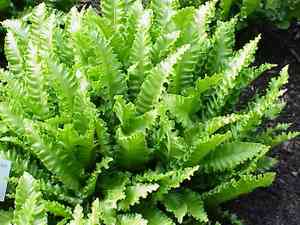
1
Hart's-tongue fern thrives in soil that is mildly acidic to neutral, with a pH between 6 and 7.
2
Maintaining steady soil dampness is vital, yet avoid oversaturation.
3
Adding leaf mold or compost enhances soil composition and delivers key nutrients.
Optimal Soil Type for Hart's-tongue fern
Perfect Soil Makeup
For flourishing Hart's-tongue fern (Asplenium scolopendrium), the substrate should be rich in organic material and possess excellent water retention capabilities. The soil blend should ideally contain a mix of humus, decomposed leaves, and garden topsoil. This combination guarantees that the soil remains aerated and supplies ample nutrients for vigorous fern development. A balanced soil mixture aids root expansion, which is crucial for the fern's proper growth. Furthermore, maintaining a soil pH between 6 and 7 is ideal, as it provides the correct environment for nutrient absorption.
Drainage Requirements
Although Hart's-tongue fern needs consistently damp soil, it is essential to ensure adequate drainage to prevent root decay. The soil should be neither too dense nor too loose. To achieve this equilibrium, incorporate perlite or small stones to enhance water flow. Ensuring proper drainage stops water from pooling around the roots, thereby averting potential fungal infections and promoting healthy growth. A well-drained soil structure encourages the fernâs roots to extend and absorb nutrients and water efficiently.
How to Prepare Substrate for Hart's-tongue fern
Selecting Additives
Choosing the correct amendments is vital to create the perfect soil environment for Hart's-tongue fern. Organic materials like compost, leaf mold, and aged manure boost soil fertility. Leaf mold, in particular, is beneficial as it mimics the fern's natural woodland floor habitat. Adding sand or perlite can improve soil aeration and drainage. These additives help retain moisture while ensuring the soil does not become waterlogged, which is important for healthy fern roots.
Steps for Substrate Preparation
To prepare the substrate for planting Hart's-tongue fern, follow these steps: 1. Clear the planting area of any weeds or debris. 2. Loosen the soil to a depth of 30 centimeters (12 inches) using a garden fork or rototiller. 3. Mix in organic amendments such as compost or leaf mold, ensuring even distribution throughout the soil. 4. Add sand or perlite to the mixture to enhance drainage. 5. Test the soil pH and adjust if necessary to fall within the 6 to 7 range. This preparation ensures that the soil structure is conducive to optimal fern growth.
Maintaining Substrate Health for Hart's-tongue fern
Regular Substrate Analysis
Performing regular soil tests helps monitor pH levels and nutrient content, ensuring the substrate remains suitable for Hart's-tongue fern. Soil test kits are widely available and simple to use. Aim to test your soil at least once a year. The results guide you on whether to add lime to raise pH or sulfur to lower it, and whether your soil needs additional nutrients. Maintaining the right soil conditions supports the fernâs continued health and growth.
Nutrient Management
Hart's-tongue fern thrives with a balanced nutrient intake. Incorporating a slow-release balanced fertilizer into the soil can supply essential nutrients over time. Alternatively, using organic fertilizers such as compost tea or fish emulsion can enrich the soil without the risk of over-fertilization. Regularly adding organic matter like compost or leaf mold helps replenish nutrients as they decompose slowly, creating a continuous nutrient supply for the ferns.
Organic Mulching
Applying a layer of organic mulch around the base of Hart's-tongue fern helps retain soil moisture and suppress weeds. Materials such as shredded leaves, bark chips, or straw make excellent mulch. Spread the mulch evenly, maintaining a depth of 5-7 centimeters (2-3 inches). Mulching also adds organic matter to the soil as it breaks down, further enriching the soil and enhancing its structure, which is beneficial for the fern's growth.
Common Substrate Issues for Hart's-tongue fern
Excessive Compaction
Overly compacted soil can hinder root development and water penetration, stressing Hart's-tongue fern. Dense soils, especially clay, are prone to compaction. Regularly aerating the soil and incorporating organic matter can alleviate compaction. Avoid walking on wet soil and use raised beds if soil compaction is persistent in your garden.
Nutrient Deficiencies
Nutrient deficiencies manifest as stunted growth and pale or yellowing fronds. Regular soil tests can detect deficiencies early. Adding organic fertilizers or specific nutrient amendments based on test results can correct deficiencies. Monitoring and replenishing soil nutrients ensure the fern has access to the essential elements it needs for robust growth.
Excessive Moisture
While Hart's-tongue fern prefers moist soil, too much moisture can lead to root rot and fungal diseases. Ensuring proper soil drainage is key to preventing waterlogged conditions. Adjust watering practices to match seasonal needs, and avoid overwatering. Incorporate well-draining amendments like perlite or gravel during soil preparation to help mitigate excess moisture issues.
Tips for Enhancing Substrate Conditions for Hart's-tongue fern
Aeration Methods
Aerating the soil around Hart's-tongue fern helps improve oxygen flow to the roots, enhancing overall plant health. You can achieve aeration by gently loosening the soil with a garden fork or using a soil aerator tool. For compacted soils, regularly aerating can make a significant difference in root development and nutrient uptake.
Integrating Organic Material
Regularly adding organic matter such as compost, leaf mold, or well-rotted manure to the soil improves its structure and fertility. Organic matter enhances moisture retention while increasing soil aeration and drainage. Mix it into the top layers of soil annually to maintain optimal growing conditions for Hart's-tongue fern. This practice not only enriches the soil but also fosters a healthy ecosystem that supports plant growth.



