How Much Sunlight Do Hart's-tongue fern Need?
1
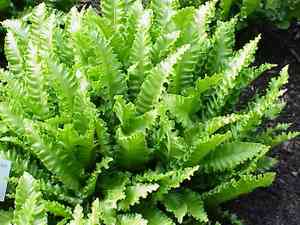
The Hart's-tongue fern flourishes in areas with some shade, making it ideal for dim garden spots.
2
This fern tolerates complete shade but will suffer if exposed to intense sun.
3
Ideal light exposure helps the Hart's-tongue fern keep its lively green, arching leaves.
Grasping Light Needs for Hart's-tongue fern
The Importance of Illumination
Light is vital for the well-being and development of the Hart's-tongue fern. Like all flora, this fern relies on light for photosynthesis, the process converting light energy into chemical energy to fuel its growth. Sufficient light ensures the Hart's-tongue fern can generate enough energy for vibrant, healthy fronds and optimal development.
Native Environment and Light Conditions
Hart's-tongue ferns naturally inhabit dim, moist areas, such as forest floors and rock crevices. Understanding these conditions helps in replicating ideal lighting for this plant in your garden or home. These ferns are accustomed to filtered sunlight through trees or reflected light in shaded spots, highlighting their preference for indirect over direct sun exposure.
Optimal Light Conditions for Hart's-tongue fern
Best Light Levels
The Hart's-tongue fern thrives best in partial shade, meaning it should get about 3-6 hours of indirect light daily. This is achieved by placing the fern where it receives filtered light in the morning or late afternoon. Full shade is also acceptable, but ensure the plant still gets some ambient light to stay healthy.
Indicators of Excessive Sun
A Hart's-tongue fern exposed to too much sun will display signs of distress. Look for fronds turning yellow or developing brown, crispy edges. These symptoms indicate sunburn and severe dehydration. In such cases, move your fern to a shadier location or use a sheer curtain to diffuse sunlight if it's indoors.
Indicators of Insufficient Sun
While the Hart's-tongue fern can endure low light, too little sun can result in sparse, pale fronds and stunted growth. If you observe these signs, try relocating the fern to a slightly brighter spot with more indirect light to help it regain its lush appearance.
Adjusting Light for Indoor Hart's-tongue fern
Positioning Your Fern Correctly
When cultivating a Hart's-tongue fern indoors, choosing the right spot is crucial. Ideal locations are near north or east-facing windows where they can receive gentle morning sun and avoid harsh midday rays. If natural light is inadequate, consider placing your fern in rooms with bright but indirect light.
Utilizing Artificial Illumination
Artificial lighting can be an excellent substitute for natural sunlight, especially during darker winter months. Fluorescent lights or LED grow lights positioned about 30-45 centimeters (12-18 inches) above the fern can provide the necessary light spectrum for photosynthesis. Ensure light exposure mimics natural conditions with an 8-12 hour daily cycle.
Seasonal Light Considerations for Hart's-tongue fern
Modifying Light Exposure Seasonally
The intensity and duration of natural sunlight vary with the seasons, impacting your Hart's-tongue fern. In summer, prevent direct sunlight by moving your fern to a well-shaded spot or using sheer curtains. During winter, place your fern where it can receive the most daylight, often near a south or west-facing window.
Shielding from Intense Summer Sun
Summer sun can be particularly harsh, causing fronds to scorch. Ensure your fern is well protected by providing ample shade. Use outdoor umbrellas, shade cloths, or move potted ferns to naturally shaded areas under larger trees or patio covers.
Maximizing Low Winter Light
In winter, daylight hours are shorter and light intensity is lower. Maximize available light by placing your fern near the brightest window in your home and rotating it occasionally for even light distribution. Supplementing with artificial light can also benefit the fern during these months.
Common Light Issues and Solutions for Hart's-tongue fern
Yellowing Foliage
Yellowing leaves often indicate too much light or improper watering. Inspect your fern's placement and ensure it's not exposed to direct sunlight. Adjust your watering schedule to keep the soil consistently moist but not waterlogged.
Wilting or Brown Margins
Wilting fronds with brown edges usually signify sunburn or dehydration. Move the fern to a shadier spot and check soil moisture regularly to prevent further damage. Mist the fronds occasionally to maintain humidity levels.
Sparse Leaf Development
If your Hart's-tongue fern exhibits sparse leaf growth, it may be receiving insufficient light. Relocate it to an area with brighter indirect light and consider using a grow light if natural light is inadequate, especially during winter.



