How to Overwinter Hart's-tongue fern
1
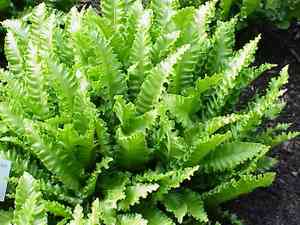
Hart's-tongue fern is a cold-tolerant plant, ideal for those in cooler regions.
2
Adequate mulching greatly assists in protecting the plant from cold winter temperatures.
3
Periodically check your fern for indications of pests or illnesses throughout the winter season.
Understanding Hart's-tongue fern Hardiness
Understanding Hart's-tongue fern Hardiness
For Hart's-tongue fern, comprehending its resilience is vital for successful winter care. This fern is known for its frost resistance, making it an excellent choice for gardens in areas with cold winters. Originating from Europe and North America, Hart's-tongue fern thrives in USDA hardiness zones 5-9. This means it can withstand temperatures as low as -20°F (-29°C). However, even robust plants require proper preparation and attention to survive winter unharmed.
Preparing Hart's-tongue fern for Winter
Inspecting the Plant
Before the cold arrives, thoroughly examine your Hart's-tongue fern. Look for any indications of disease or pests that need attention. Healthy plants are more likely to endure winter conditions. Remove any damaged or dead fronds to prevent potential problems from spreading during dormancy.
Pruning and Cleaning
Pruning is an essential step in readying your fern for the colder months. Trim back any old or damaged fronds to enhance air circulation around the plant. This not only aids in disease prevention but also reduces potential hiding spots for pests. Clearing the area around the fern, removing fallen leaves and debris, can further lower the risk of disease.
Mulching for Insulation
Mulching is an excellent method to shield Hart's-tongue fern from the cold. Apply a 5-10 cm (2-4 inches) layer of organic mulch, such as leaf mold or compost, around the plant's base. This creates an insulating layer, retaining soil moisture and stabilizing soil temperature. Be careful not to mulch directly against the fern's crown, as this can lead to rot.
Ideal Conditions for Overwintering Hart's-tongue fern
Soil Requirements
Hart's-tongue fern prefers slightly acidic to neutral soil with good drainage. During winter, avoid heavy clay soils that retain water, as this can cause root rot. If necessary, amend your soil with organic matter to improve its drainage and structure.
Moisture Levels
While winter typically brings increased moisture, it's crucial to find a balance. Keep the soil consistently moist, but not waterlogged. Excessively wet conditions can be harmful. Depending on your climate, natural rainfall may be sufficient. In drier winters, you might need to gently water your fern, ensuring the soil remains damp.
Light Exposure
During winter, Hart's-tongue fern can tolerate lower light levels but still requires indirect or filtered light. If your fern is planted outdoors, consider placing it in a spot where it receives some protection from the harshest winter sun, such as near a deciduous tree that loses its leaves in the winter, thus offering shade during the summer and light during the winter.
Common Issues During Overwintering Hart's-tongue fern
Fungal Diseases
One common problem with overwintering ferns, including the Hart's-tongue fern, is fungal diseases. Cool and damp conditions are ideal for fungal spores. Closely observe your fern for signs of mold or mildew, such as black spots or a powdery coating on the fronds. Immediately prune away affected fronds and improve air circulation to help prevent fungal diseases.
Pest Infestations
Winter doesn't eliminate pests; it merely reduces their activity. Regularly check your Hart's-tongue fern for signs of pests like aphids or scale insects. If you notice any, treat the infestation promptly with organic insecticidal soap or other eco-friendly treatments. Maintaining cleanliness around the plant also minimizes the risk of pest issues.
Best Practices for Maintaining Hart's-tongue fern Health in Winter
Monitoring Plant Health
Consistent monitoring is essential to ensure your Hart's-tongue fern stays healthy throughout winter. Check the plant weekly for any changes in its condition, including discolored fronds, signs of diseases, or pest activity. Addressing issues early makes them easier to resolve.
Adjusting Care Based on Weather Changes
Winter weather can be unpredictable, so be ready to modify your care routine as needed. If a sudden cold snap is forecast, adding an extra layer of mulch or relocating the fern to a more sheltered spot can provide additional protection. Conversely, if there's an unexpected warm spell, ensure the fern doesn't dry out and that pests remain under control.



