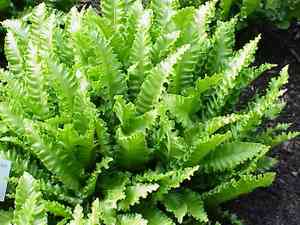
Hart's-tongue fern (Asplenium scolopendrium)
Also known as: Hind's tongue, Buttonhole, Horse tongue, Scollies
Hart's-tongue fern (Asplenium scolopendrium) is an evergreen, non-flowering fern that typically reaches heights of 12 to 24 inches. Its fronds are glossy, leathery, and strap-like, measuring approximately 12 to 18 inches in length. This fern thrives in shaded areas, requiring partial to full shade, and prefers soil that is both well-drained and rich in organic matter with a pH ranging from neutral to alkaline. It is generally resilient to pests and diseases but can suffer from root rot if the soil is not adequately drained. Regular watering and avoiding direct sunlight are key to its successful cultivation.
In This Article
Attributes of Hart's-tongue fern
Lifespan
Perennial
Plant Type
Fern
Plant Height
60 cm
Spread
60 cm
Leaf Color
Green
Flower Size
N/A (ferns do not flower)
Flower Color
N/A
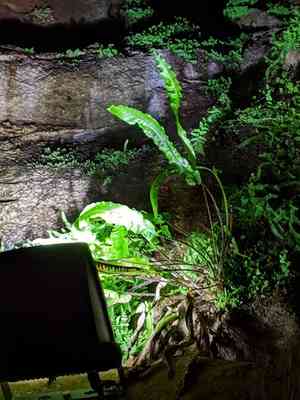
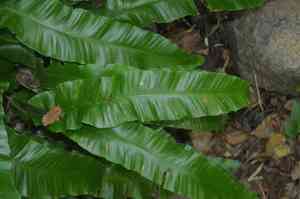
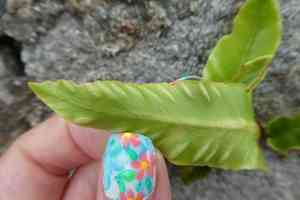
Images of Hart's-tongue fern
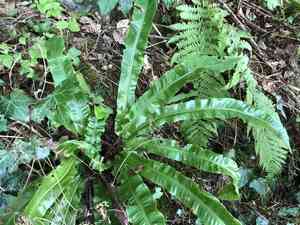
Quickly Identify Hart's-tongue fern
1
The Hart\'s-tongue Fern can be identified by its long, strap-shaped fronds that are typically bright green and leathery. The fronds are simple and spear-shaped, lacking the pinnate divisions seen in most other ferns.
Scientific Classification of Hart's-tongue fern
Phylum
Vascular plants
Class
Ferns
Order
Polypodiales
Family
Spleenwort
Genus
Spleenworts
Species
Hart's-tongue fern
Planting and Growing of Hart's-tongue fern
Care Difficulty
Easy
Watering Schedule
Every 3 days
Sunlight Requirements
Partial sun
Sunshine Duration
6-10 hours
Ideal Temperature
55-77℉
Soil Type
Potting Mix, Peat Mix
Soil pH
6.5-7.5
Fertilizer Type
Balanced
Pruning Season
Spring, Summer
Pruning Area
Branches, Leaves
Pruning Frequency
Once a year
Repotting Season
Spring
Pot Type
Terracotta, Plastic
 How to Water Hart's-tongue fern?
The watering amount for Asplenium scolopendrium should be such that the soil is moderately moist without waterlogging. Try to achieve a balance where, when the top inch of soil starts feeling dry, you provide approximately 250ml of water, ensuring even distribution.
More About Watering Techniques→
What are the symptoms of an underwatered Hart's-tongue fern?
›
What should I do if my Hart's-tongue fern is not getting enough water?
›
What are the symptoms of an overwatered Hart's-tongue fern?
›
How to save an overwatered Hart's-tongue fern?
›
 What Are the Sunlight Requirements for Hart's-tongue fern?
Asplenium scolopendrium thrives in partial sun or full shade, ideally within 2-3 hours of indirect sunlight daily. Balanced lighting supports vigorous growth and vibrant leaf color, mimicking its natural woodland environment.
More About Sunlight Requirements Techniques→
What is the best light for Asplenium scolopendrium?
›
How can I achieve ideal lighting for this fern?
›
What benefits come from ideal lighting?
›
 What Is the Ideal Temperature Range for Hart's-tongue fern?
The ideal temperature range for Asplenium scolopendrium is between 55°F and 77°F. Maintaining this range ensures optimal growth and health. A stable environment in this range keeps the plant robust and promotes lush foliage.
 What Soil is Best for Hart's-tongue fern?
This plant thrives in loamy soil which can retain moisture while not becoming waterlogged. This aids in maintaining consistent hydration levels, essential for the plant's lush, green foliage. Rich, well-draining soil is ideal as it provides the essential nutrients required for robust growth. The nutrient-dense soil ensures the plant has access to necessary minerals for lush frond development. A well-aerated soil structure is important for root health, ensuring that roots have access to oxygen, which prevents root rot and supports healthy plant growth.
More About Soil→
 How to Fertilize Hart's-tongue fern?
When fertilizing Asplenium scolopendrium, using a diluted liquid fertilizer is ideal. A quarter to half strength of the recommended dosage on the product label is advisable. Over-fertilization can lead to nutrient buildup and damage.
 How to Prune Hart's-tongue fern?
Begin by identifying any fronds that are dead or yellowing. These should be your first target during pruning. Removing them will not only improve the plant's appearance but also redirect energy towards healthier growth. Use clean, sharp scissors for best results. Trim any fronds that are particularly large or sprawling at the base of the plant. This can help control the size and shape of your fern and ensures that it doesn't start to overrun its space. Maintain a balanced look by cutting evenly around the entire plant.
More About Pruning Techniques→
 How to Propagate Hart's-tongue fern plant?
1
To propagate Asplenium scolopendrium by seeds, collect mature spores from the underside of the plant's fronds. These spores are dispersed when they turn a brownish color, indicating they are ready for collection.
2
Prepare a well-draining, rich soil mix for division propagation. This mix should include materials that retain moisture while providing aeration, such as perlite and peat moss.
3
When dividing the plant, ensure each section has a portion of root and at least one frond. Plant these divisions in prepared soil, making sure the crown is level with the surface.
 How to Repot Hart's-tongue fern plant?
1
The ideal time to repot Asplenium scolopendrium is when you observe that the roots are circling the container or emerging from the drainage holes. Additionally, when the plant's growth appears stunted or it shows signs of being root-bound, it indicates the need for a roomier pot.
2
Opt for a pot that is only one size larger than the current one to prevent excessive space that can lead to overwatering. A pot with drainage holes is crucial as it ensures proper water evacuation, preventing root rot and other water-related issues.
3
Select a well-draining, loamy mix that retains some moisture but does not become waterlogged. This type of soil supports the humidity needs of Asplenium scolopendrium while preventing the risk of suffocating the roots due to excessive moisture.



