How to Propagate Hart's-tongue fern?
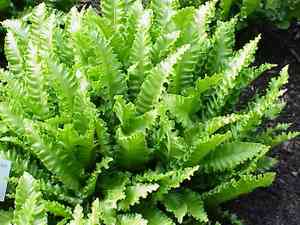
The most effective method for propagating Hart's-tongue fern involves separation, preferably in the spring or fall. This procedure is quite straightforward, and the appearance of fresh shoots signifies successful establishment. When performing division, guarantee sufficient hydration and protection from direct sunlight.
When Is the Optimal Time to Propagate Hart's-tongue Fern?
Propagation Method
Separation
Propagation Period
Spring, Autumn
What Tools Are Utilized for Hart's-tongue Fern Propagation?
Gardening gloves
Shield hands from dampness and potential irritants when handling hart's-tongue fern during separation and replanting, ensuring a secure propagation process.
Sharp, sterile scissors or knife
Make clean cuts through hart's-tongue fern's roots during division without causing unnecessary harm, aiding in the plant's recovery and vitality.
Potting mix or compost
Offers a nourishing growth medium rich in nutrients that supports the root development of hart's-tongue fern after division.
Watering can with a gentle spout
Delivers water uniformly to hart's-tongue fern without disturbing the soil or newly planted divisions, crucial for maintaining sufficient moisture during establishment.
Plant pots or trays
Accommodates the divided sections of hart's-tongue fern with ample room for new growth, facilitating root expansion and air circulation.
Misting spray bottle
Maintains elevated humidity around hart's-tongue fern, mimicking its natural environment, which is vital for its growth following propagation.
How to Propagate Hart's-tongue Fern?
Propagation Method
Division
Difficulty Level
Easy
How to Care for Your Newly Propagated Hart's-tongue Fern?
How to Care for Your Newly Propagated Hart's-tongue Fern?
Post-propagation, hart's-tongue fern requires a damp environment with high humidity and moderate light, avoiding direct sun. Water the soil adequately to keep it moist but not waterlogged. It's essential not to let the soil dry out completely. Fertilize hart's-tongue fern with a balanced, liquid fertilizer at half-strength monthly during the active growth period. In colder months, reduce watering and cease fertilizing to allow hart's-tongue fern to rest. Remove any dead fronds to keep the plant healthy and ensure good air circulation to prevent fungal issues. Repot hart's-tongue fern every 2-3 years to refresh the soil and accommodate growth.
Common Errors to Avoid When Propagating Hart's-tongue Fern
Overwatering
Providing too much moisture can lead to root rot, as hart's-tongue fern needs soil that is moist but well-drained. Excessive watering can suffocate the plant's roots and encourage fungal infections.
Using too large containers
Starting hart's-tongue fern in an excessively large container can cause the soil to remain wet for too long. Hart's-tongue fern prefers a snug fit which allows the soil to dry slightly between waterings.
Inadequate sterilization
Failing to use clean tools or containers when dividing hart's-tongue fern can introduce pathogens, leading to disease and poor plant health.
Excessive handling
Frequent disturbance or handling of hart's-tongue fern during propagation can damage the delicate fronds and roots, hindering successful establishment.
Tips For Propagating Hart's-tongue Fern
Soil composition
Utilize a well-draining potting mix with organic matter to maintain moisture while providing adequate drainage for hart's-tongue fern.
Division technique
Carefully separate hart's-tongue fern at the root rhizome, ensuring each division has at least one growing point to increase chances of successful propagation.
Environmental humidity
Maintain high humidity around hart's-tongue fern, as it thrives in humid conditions, simulating its natural habitat and encouraging healthy growth.
Watering regimen
Water hart's-tongue fern with a focus on consistent moisture, using lukewarm water to avoid shocking the plant's roots and to encourage growth.



