The Hart's-tongue fern Plant Advantage: Maximizing Home and Office Appeal and Wellness
1
Fosters robust soil through enhanced soil composition.
2
Functions as an organic air cleanser, eliminating environmental pollutants.
3
Beautifies garden spaces with its distinctive, tough leaves.
Benefits of Cultivating Hart's-tongue fern
Improves Soil Quality
A key benefit of adding Hart's-tongue fern to your garden is its capacity to improve soil structure. Its dense root system helps prevent erosion and promotes water retention. Decomposing fronds return organic matter to the soil, enriching it with vital nutrients and boosting its overall health.
Enhances Garden Appeal
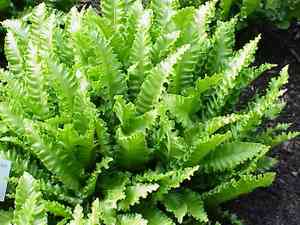
The distinctive, leathery fronds of Hart's-tongue fern make it a visually appealing addition to any garden. Its evergreen leaves offer year-round visual interest and add texture to the landscape. When planted with other shade-loving species, Hart's-tongue fern can form a lush, green backdrop that elevates your garden's overall aesthetic.
Ecological Advantages of Hart's-tongue fern
Air Purification
One notable characteristic of Hart's-tongue fern is its ability to naturally purify the air. This plant can absorb pollutants such as formaldehyde, xylene, and toluene, thereby enhancing indoor air quality. Including Hart's-tongue fern in your indoor plant collection can contribute to a cleaner, healthier living space.
Wildlife Habitat
Hart's-tongue fern offers shelter and sustenance for various wildlife. Its dense foliage provides cover for small animals and birds, while its spores can serve as a food source for specific insects and microorganisms. By growing Hart's-tongue fern, you support biodiversity and the local ecosystem.
Caring for Hart's-tongue fern
Ideal Growing Conditions
For optimal growth, Hart's-tongue fern requires specific conditions. It prefers shaded or partially shaded locations with moist, well-drained soil. Avoid direct sunlight, which can scorch its leaves. Consistent watering ensures the soil remains moist but not waterlogged. Mulching around the plant helps retain soil moisture and regulate temperature.
Pest and Disease Resistance
Hart's-tongue fern is relatively low-maintenance and resistant to most common pests and diseases. However, it's important to watch for slugs and snails, which may occasionally damage the fronds. Using organic pest control methods or natural predators can effectively manage these issues without harming the plant.
Integrating Hart's-tongue fern into Landscape Design
Creating a Fern Garden
Incorporating Hart's-tongue fern into a dedicated fern garden is an excellent way to highlight its beauty. Fern gardens create a serene and peaceful atmosphere, ideal for relaxation. Combine Hart's-tongue fern with other fern varieties and shade-loving plants to create a diverse and visually appealing garden bed.
Container Cultivation
For those with limited outdoor space, Hart's-tongue fern can thrive in containers. Select a pot with good drainage and fill it with high-quality, organic-rich potting mix. Place the container in a shaded area and ensure regular watering to keep the soil moist. Container gardening offers flexibility in placement, making it easier to enjoy the plant's beauty indoors or on balconies.
Distinctive Features of Hart's-tongue fern
Evergreen Foliage
Hart's-tongue fern is notable for its evergreen foliage, which stays vibrant and lush throughout the year. Unlike deciduous plants that shed leaves in winter, Hart's-tongue fern retains its fronds, providing continuous greenery and interest in your garden across all seasons.
Versatility in Application
Hart's-tongue fern's versatility extends beyond gardens and landscapes. It can be used in various settings, including rock gardens, shaded borders, and woodland gardens. Its low growth habit makes it an excellent ground cover, and its resilience allows it to flourish in both naturalistic and formal garden designs.



