Enhancing Your Garden Design with the Hart's-tongue fern Plant: A Landscaping Guide
1
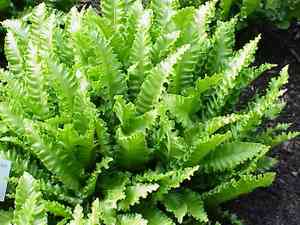
The Hart's-tongue fern offers a distinct texture and aesthetic appeal through its wide, undulating fronds.
2
Including Hart's-tongue fern contributes to sustainable garden layouts by fostering a variety of life forms.
3
Hart's-tongue fern flourishes in low-light environments, making it a perfect selection for planting beneath overhead foliage.
Introduction to Hart's-tongue fern in Landscaping
Understanding the unique aesthetic appeal of Hart's-tongue fern
Hart's-tongue fern is known for its distinct lance-shaped, vivid green leaves that bring a lush, tropical feel to any garden. Its broad fronds have a unique wavy texture that stands out, especially when sunlight filters through, creating interesting shadows and highlights. This visual appeal makes Hart's-tongue fern an excellent plant for adding architectural flair to your landscape, whether in a shaded corner or as part of a larger fern collection.
The role of Hart's-tongue fern in eco-friendly garden designs
In today's environmentally aware world, gardeners increasingly seek ways to create eco-friendly landscapes. Hart's-tongue fern is vital in such designs due to its low maintenance needs and minimal requirement for chemical fertilizers or pesticides. Additionally, its dense foliage helps retain soil moisture, reducing the need for frequent watering and aiding in water conservation. By integrating Hart's-tongue fern, you contribute to more sustainable landscaping practices.
Incorporating Hart's-tongue fern into Your Landscape
Choosing the right location for Hart's-tongue fern in your garden
Selecting the appropriate spot for planting Hart's-tongue fern is crucial for its optimal growth and visual impact. This fern thrives in shaded or partially shaded areas, making it perfect for locations under tree canopies, along shaded walls, or in spots with dappled sunlight. Ensure the soil is rich in organic matter and well-drained, as excessive moisture can cause root rot. Proper placement ensures it thrives and enhances your garden's overall beauty.
Design ideas: Using Hart's-tongue fern as a focal point
Consider using Hart's-tongue fern as a striking focal point in your landscape design. Its unique shape and texture draw the eye, making it ideal for the center of a shade garden or as an accent in a mixed planting bed. To create visual harmony, plant Hart's-tongue fern in groups or clusters, complemented by other shade-loving plants. You can also pair it with contrasting textures and colors, such as hostas or coral bells, to enhance its visual appeal and create a dynamic garden space.
Companion plants that complement Hart's-tongue fern
Choosing the right companion plants for Hart's-tongue fern can enhance its beauty and the overall garden aesthetic. Consider pairing it with other shade-tolerant plants like astilbes, hostas, and bleeding hearts, which provide color and varying textures. Additionally, ground covers such as ajuga or lamium can be planted nearby to maintain soil moisture and reduce weed competition. These combinations create a cohesive look and support plant health by ensuring all species have compatible growing conditions.
Maintenance Tips for Hart's-tongue fern in Landscapes
Seasonal care guidelines for optimal growth
Ensuring Hart's-tongue fern's health requires attention to seasonal changes. In spring, remove any dead or damaged fronds to encourage new growth. Mulch around the base in summer to retain moisture and suppress weeds. In autumn, keep the soil moist to prepare it for winter dormancy. Avoid frost damage by covering the plant with a protective layer of leaves or a cold frame. These seasonal care practices will promote robust growth and maintain its lush appearance year-round.
Managing sunlight and shadow for Hart's-tongue fern health
Hart's-tongue fern prefers a shaded environment, but balancing sunlight and shadow is essential for its health. Too much direct sunlight can scorch its leaves, while too much shade can hinder growth. Aim for dappled sunlight or morning sun followed by afternoon shade. If it shows signs of stress, such as yellowing fronds, evaluate its lighting and adjust accordingly. Fine-tuning the light helps it thrive and retain its vibrant green color.
Ecological Benefits of Including Hart's-tongue fern in Your Garden
Contribution to local biodiversity through Hart's-tongue fern
Incorporating Hart's-tongue fern in your garden helps support local biodiversity by providing habitat and food for various wildlife. Its leaves offer shelter for insects, while the shaded, moist environment around it supports amphibians and other beneficial creatures. This, in turn, attracts predators like birds, contributing to a balanced ecosystem. By including Hart's-tongue fern, you foster a diverse garden environment that promotes natural pest control and a vibrant habitat.
How Hart's-tongue fern supports a healthier garden ecosystem
Hart's-tongue fern plays a significant role in promoting a healthy garden ecosystem. Its ability to thrive in moist, shaded environments makes it a natural soil preserver, preventing erosion and maintaining soil structure. The plant's dense foliage also suppresses weed growth, reducing the need for chemical herbicides. Furthermore, its presence can improve the overall microclimate of the garden, creating more favorable conditions for other plants and contributing to a resilient and sustainable garden ecosystem.



