Boost Growth: How and When to Repot Your Hart's-tongue fern Plant
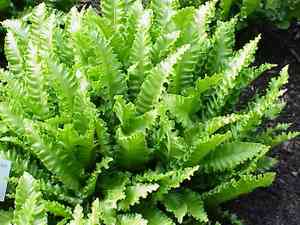
1
Transplanting your Hart's-tongue fern can greatly improve its development and vitality.
2
The most suitable periods for repotting Hart's-tongue fern are during the Spring and Winter seasons.
3
Select a container that provides proper drainage and ample room for the roots to expand.
Why Replant a Hart's-tongue fern?
Understanding the growth pattern of Hart's-tongue fern
The Hart's-tongue fern, or Asplenium scolopendrium, is a sturdy and appealing fern recognized for its distinct tongue-shaped fronds. Replanting is vital for this plant's general care, as it grows slowly but can become root-bound over time. Grasping its growth pattern is key to maintaining a healthy fern. The plant typically develops steadily year-round but greatly benefits from fresh substrate and space for root expansion.
Identifying indicators that your Hart's-tongue fern requires replanting
Several clear signs suggest your Hart's-tongue fern might need replanting. First, check if roots are emerging from the drainage holes of its current container. Second, if you notice water isn't soaking into the soil properly and is pooling on the surface, a new pot may be due. Lastly, a noticeable decrease in the plant's growth rate or yellowing foliage can also signal the need for replanting.
When Is the Optimal Time to Replant?
Seasonal timing for peak plant vitality
For peak plant vitality, the best periods to replant your Hart's-tongue fern are during Spring and Winter. These seasons are when the plant is either commencing its growth phase (Spring) or in a relatively dormant state (Winter). Replanting at these times minimizes shock to the plant, allowing it to adapt better to its new surroundings.
How frequently should Hart's-tongue fern be replanted?
Generally, you should consider replanting your Hart's-tongue fern every 2-3 years. This frequency ensures the potting mix remains nutrient-rich and offers sufficient room for root development. However, always observe the plant for the aforementioned indicators, as some plants may require a new container sooner or later than this general guideline.
Selecting the Appropriate Container and Substrate for Your Hart's-tongue fern
Choosing the correct pot size and material
When choosing a container for your Hart's-tongue fern, select one that is 2-3 centimeters (about 1 inch) wider in diameter than the existing pot. The pot's material is also crucial. Terracotta pots are an excellent option due to their breathability, but plastic pots with adequate drainage holes can also work. Ensure any pot you select allows for proper drainage to prevent root rot.
The ideal soil mixture for Hart's-tongue fern
The perfect soil mixture for Hart's-tongue fern should be well-aerated and rich in organic matter. A blend of equal parts peat moss, perlite, and pine bark performs exceptionally well for this fern. This combination ensures good drainage while retaining enough moisture to keep the plant healthy.
Detailed Guide to Replanting Hart's-tongue fern
Preparing your work area and gathering supplies
Begin by setting up your workspace on a clean table or a garden mat. Collect all necessary supplies, including a new pot, fresh soil mix, pruning shears, and gloves. Having everything ready will make the process smoother and faster.
Carefully extracting your fern from its current container
To remove the fern, gently grasp the plant's base and tilt the pot sideways to ease it out. If the plant is stuck, you can use a small garden trowel to loosen the soil around the edges. Be careful not to pull too forcefully to avoid damaging the roots.
Assessing root health and trimming if needed
Once the plant is out of its pot, inspect the root system. Healthy roots should appear white and firm. If you find any brown, soft, or overgrown roots, use pruning shears to remove them. This will stimulate new growth and help the plant establish itself in its new container.
Positioning the fern in its new pot and adding substrate
Place the fern in the center of the new pot and hold it upright as you add fresh soil around it. Ensure the plant sits at a similar depth as it was in the old pot. Gently press the soil down to eliminate air pockets but avoid compacting it too tightly.
Proper irrigation and post-replanting care
After replanting, thoroughly water the Hart's-tongue fern until water starts to drain from the bottom. This helps settle the soil around the roots. Place the plant in a shaded location for a few days to help it acclimate before gradually returning it to its usual spot.
Post-Replanting Advice for Your Hart's-tongue fern
Adjusting moisture and illumination to help your fern flourish
After replanting, it's crucial to modify your watering and light conditions to help the fern flourish. Hart's-tongue fern prefers consistently moist soil, so water regularly but prevent waterlogging. Position the plant in indirect light to achieve the best growth outcomes.
Monitoring your fern for indications of distress or development
Keep a close watch on your fern for any signs of distress, such as wilting or yellowing leaves, which could signal an issue with watering or light levels. Conversely, new green fronds are a positive indication of growth and suggest that the replanting process was successful.



