How Often Should You Water Your Japanese wisteria?
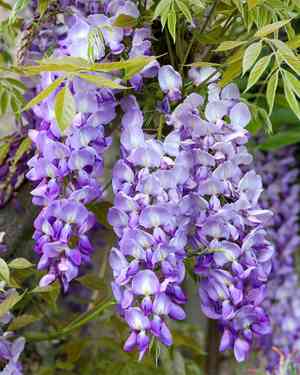
1
Provide water to your Japanese wisteria bi-weekly for robust development.
2
Irrigating during the dawn or dusk hours aids in reducing quick moisture loss.
3
Employ a humidity sensor to guarantee accurate watering, preventing excess or insufficient hydration.
Understanding the Hydration Needs of Japanese Wisteria
Elements Affecting Water Requirements
Regarding irrigating your Japanese wisteria, several elements can impact the volume of water your plant requires. The plant's dimensions and its root system are key; larger plants with more extensive root networks will naturally demand more water. Furthermore, the soil type where the wisteria is planted can influence water retention and drainage. Sandy soils might need more frequent watering compared to clay soils due to their rapid drainage. Lastly, environmental elements like local climate and weather conditions can also affect water needs. For instance, a hot and arid climate will necessitate more frequent watering than a cooler, more humid setting.
Seasonal Watering Adjustments
The watering demands of a Japanese wisteria also fluctuate with the seasons. During the active growth period, typically from spring to early autumn, the plant will require consistent hydration to support its abundant foliage and beautiful blossoms. Watering twice weekly is generally adequate during this time. However, as the plant enters dormancy in late autumn and winter, its water needs diminish. You can reduce irrigation frequency during these months, ensuring the soil remains slightly damp but not saturated.
Proper Watering Methods for Japanese Wisteria
How Often to Hydrate Japanese Wisteria
For optimal development, water your Japanese wisteria twice per week during its active growth phase. This frequency allows the plant to access sufficient moisture while also preventing the risk of root decay. Adjustments may be necessary based on specific conditions, such as increased watering during particularly hot or dry spells.
Optimal Time of Day for Watering Japanese Wisteria
Timing your watering sessions can significantly impact the health of your Japanese wisteria. The best time to water is either early in the morning or late in the evening. Irrigating during these cooler parts of the day helps minimize water loss due to evaporation and allows the plant to absorb water more effectively. Avoid watering during the peak heat of the day, as this can lead to rapid evaporation and potentially scorch the plant's leaves.
Techniques to Water Japanese Wisteria Efficiently
Efficient watering techniques can help ensure that your Japanese wisteria receives the appropriate amount of water without waste. One effective method is deep watering, which involves applying water slowly and thoroughly to encourage deep root development. Utilizing a soaker hose or a drip irrigation system can facilitate this process. Additionally, applying a layer of mulch around the plant's base can help retain soil moisture and reduce the frequency of watering.
Indicators of Incorrect Watering in Japanese Wisteria
Signs of Excessive Watering
Over-watering your Japanese wisteria can lead to several clear symptoms. Common indicators include yellowing leaves, wilting despite wet soil, and root rot. Root rot is particularly concerning as it can severely damage the plant's root system, hindering its ability to absorb nutrients and water. To avoid over-watering, ensure the soil has proper drainage and allow the top layer of soil to dry out slightly between watering sessions.
Signs of Insufficient Watering
Under-watering can also negatively impact your Japanese wisteria. Symptoms of inadequate water include dry, brittle leaves, slower growth, and premature flower drop. If you notice these signs, increase the frequency and volume of water you provide. Consistent watering, especially during dry periods, helps maintain the plant's overall health and vitality.
How to Rectify Watering Errors
If you've identified improper watering habits, it's crucial to take corrective action promptly. For over-watered plants, reduce the frequency of watering and improve soil drainage by incorporating organic matter or using raised beds. In cases of under-watering, gradually increase water applications and consider using mulch to conserve soil moisture. Regularly monitoring the plant and adjusting your watering routine based on observed symptoms will help restore your Japanese wisteria to optimal health.
Maintaining Ideal Soil Moisture for Japanese Wisteria
Selecting the Appropriate Soil
Choosing the right soil type is essential for maintaining optimal moisture levels for your Japanese wisteria. Well-draining soil is ideal, as it prevents waterlogging and promotes healthy root development. A blend of loam and sand with organic matter such as compost can provide the perfect balance of drainage and nutrient retention.
Mulching Strategies
Mulching is an effective technique to help retain soil moisture and reduce the frequency of watering. Apply a 5-10 cm (2-4 inch) layer of organic mulch, such as wood chips or straw, around the plant's base. This mulch layer not only conserves moisture but also helps regulate soil temperature and suppresses weed growth.
Utilizing Moisture Sensors
To achieve precise and efficient watering, consider using a moisture meter. This handy tool measures the moisture content of the soil, allowing you to water your Japanese wisteria only when necessary. By avoiding over or under-watering, you can ensure your plant remains healthy and vibrant. Moisture meters are especially useful during fluctuating weather conditions or if you're unsure about the soil's moisture level.



