How to Transplant Japanese wisteria?
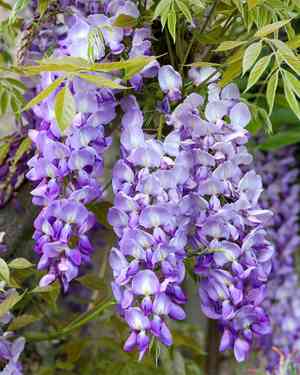
The optimal period for relocating japanese wisteria is at the onset of spring's mild temperatures, fostering strong root development. Select a location bathed in sunlight that offers effective drainage. Should it be necessary, modify the soil to enhance acidity and moisture-holding capacity, making sure the site emulates japanese wisteria's natural environment.
What Preparations are Needed Before Transplanting Japanese Wisteria?
What is the Ideal Time for Transplanting Japanese Wisteria?
The optimal period for relocating japanese wisteria is during the transition from early to mid-spring. This season provides a mild environment, allowing japanese wisteria to settle without severe weather stress. Choosing this timeframe gives your japanese wisteria the advantage of spring's moderate temperatures, which can stimulate root development before the summer heat. Remember, a gentle approach is beneficial - this period offers your japanese wisteria a strong start for vigorous growth, setting the stage for a magnificent bloom display.
How Much Space Should You Leave Between Japanese Wisteria Plants?
For japanese wisteria, allocate ample room, ideally 10-15 feet (3-4.5 meters) between each plant. This allows them to expand and develop healthily. Plan your layout visually before digging any holes to ensure perfect spacing.
What is the Best Soil Mix for Japanese Wisteria Transplanting?
Prepare a loamy or sandy soil enriched with a generous amount of organic compost or aged manure. This enhances your japanese wisteria's growth and supports root development. Select a slow-release granular fertilizer suitable for perennials.
Where Should You Relocate Your Japanese Wisteria?
Regarding placement, japanese wisteria thrives in full to partial sunlight. Find a spot in your garden that receives ample morning sun. If you are in a hotter climate, a location with light afternoon shade would be perfect.
What Equipments Should You Prepare Before Transplantation Japanese Wisteria?
Gardening Gloves
To safeguard your hands while working with soil and plants.
Shovel or Gardening Trowel
To excavate the receiving hole in the ground and assist with the removal process.
Spade
Needed to safely extract japanese wisteria plant from its original spot, ensuring the root ball remains intact.
Garden Hose or Watering Can
To hydrate the soil in the new location and after the transplant.
Stakes
Durable and long-lasting supports that will help japanese wisteria grow upright and transport nutrients efficiently.
Tie Tape or String
To firmly secure the plant to the stake.
Pruning Shears
To trim any dead or overgrown branches prior to transplanting.
How Do You Remove Japanese Wisteria from the Soil?
How Do You Remove Japanese Wisteria from the Soil?
From Ground: Begin by moistening the soil around the japanese wisteria plant. Then, using a spade, carefully dig around the plant, ensuring you go deep enough to avoid disturbing the root ball. Once confident the roots are undamaged, gently lift the plant out of the ground.From Pot: First, ensure the soil is damp, as this will facilitate the removal process. Invert the pot and carefully allow the japanese wisteria plant to slide out, preserving as much of the root ball intact as possible.From Seedling Tray: Water the seedlings thoroughly before transplanting. Gently separate each japanese wisteria seedling, attempting to keep as much soil around the roots as possible. Use a spoon or similar tool to lift out the seedlings.
Step-by-Step Guide for Transplanting Japanese Wisteria
Preparation
Begin by preparing the new site. Dig a hole using the shovel or garden trowel, making it twice as wide as the japanese wisteria's root ball and equally deep. Lightly water the hole.
Transplanting
Carefully position the japanese wisteria in the hole, ensuring the top of the root ball is level with the ground. Backfill the hole with soil, gently patting to eliminate any air pockets.
Staking
If your japanese wisteria is young or unstable, use a stake for support. Place the stake in the ground and securely fasten the plant to it using tie tape or string. Ensure it is snug but not harming the plant's stem.
Watering
Water the plant generously immediately after transplanting to help it settle into its new location.
How Do You Care For Japanese Wisteria After Transplanting?
Watering
It is crucial to keep the soil consistently moist for the initial few weeks to help the japanese wisteria establish its roots. Avoid letting the soil become waterlogged or completely dry.
Pruning
Remove any dead or dying branches to encourage the growth of new branches and reduce the plant's stress.
Monitoring
Observe the japanese wisteria for overall health and any indications of transplant shock, such as wilting or yellowing leaves. If these signs appear, additional water and shade may be necessary.
Troubleshooting Common Issues with Japanese Wisteria Transplantation.
When's the ideal time to transplant japanese wisteria?
Transplantation is most effective from late winter to early spring (S1-S2). This provides japanese wisteria ample time to establish before the growing season.
How far should one japanese wisteria be from another while transplanting?
You should aim to maintain a distance of approximately 10-15 feet (3-4.5 meters) between each japanese wisteria plant. This ensures sufficient space for their growth.
What are the signs of transplant shock in japanese wisteria?
Symptoms of transplant shock include wilting, yellowing, or browning leaves. Sudden leaf drop or slowed growth also indicate shock in japanese wisteria.
How much water should I give japanese wisteria after transplanting?
After transplanting, thoroughly saturate the soil. Then, keep it moist but prevent waterlogging. Water japanese wisteria regularly until fully established.
What type of soil is best when transplanting japanese wisteria?
Japanese wisteria prefers well-drained, fertile soil. Enrich the planting site with organic matter, such as compost or well-rotted manure, before transplanting.
How deep should I plant japanese wisteria during transplanting?
Dig a hole approximately twice as wide and just as deep as japanese wisteria's root ball. Ensure the top of the root ball is level with the ground.
How can I avoid damaging japanese wisteria's root during transplantation?
When handling japanese wisteria, be gentle. Minimize root exposure to air and ensure the root ball remains intact during the transplanting process.
What tool should I use for transplanting japanese wisteria?
Utilize a garden spade or fork for digging. Additionally, a heavy-duty tarp can be beneficial to move larger japanese wisteria without damaging the root ball.
Can I use any type of fertilizer when transplanting japanese wisteria?
Use a slow-release, balanced fertilizer. Avoid high-nitrogen fertilizers as they may hinder japanese wisteria's flowering. Always follow the instructions on the packaging.
What actions should I take if japanese wisteria shows no growth after transplanting?
Be patient, japanese wisteria might be establishing its roots. Continue watering and care as usual. If no signs of growth appear after a month, consult a gardening expert.



