Optimal Soil for Growing Japanese wisteria: What You Need to Know
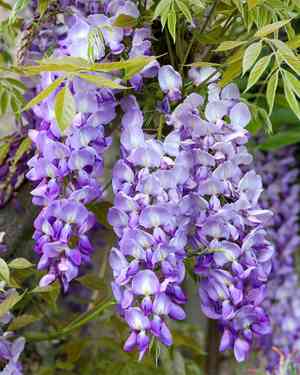
1
Japanese wisteria flourishes in rich, fertile soil.
2
Maintain a soil pH level of 6.5 to 8 for peak development.
3
Avoid root decay through adequate soil water runoff.
Optimal Soil Type for Japanese Wisteria
Loamy Soil Requirements
For your Japanese wisteria to thrive, planting it in loamy soil is essential. Loamy soil is nutrient-rich, drains well, and retains moisture effectively, making it an ideal medium for many plants. For Japanese wisteria, loamy soil offers the perfect balance of air, water, and nutrients, encouraging vigorous growth and vibrant blooms.
Soil pH Levels
Japanese wisteria prefers a soil pH between 6.5 and 8. This slightly acidic to neutral pH range aids the plant in absorbing vital nutrients efficiently. You can easily check soil pH with a home testing kit or by submitting a sample to a local agricultural extension office. Adjusting soil pH might involve adding lime to raise it or sulfur to lower it, ensuring the growing environment is just right for your wisteria.
Drainage and Aeration
Proper drainage and aeration are crucial for Japanese wisteria to prevent root rot and other issues from waterlogged soil. Ensure your garden bed or container has sufficient drainage holes. In your garden, you may need to amend the soil with sand or fine gravel to improve drainage. Regularly confirm that water does not accumulate around the plant's base after watering or rain.
How to Test Soil for Japanese Wisteria Cultivation?
Testing Soil pH
Testing soil pH is straightforward and can be done with a pH testing kit from your local garden center. Collect a soil sample from the root zone of your Japanese wisteria and mix it with distilled water as per kit instructions. Compare the result with the kit's pH color chart. If adjustments are needed, follow the kit's recommendations or consult a local gardening expert.
Assessing Soil Texture
To evaluate soil texture, take a handful of moist soil and form it into a ball. If the soil holds together but crumbles easily when disturbed, it's loamy. Sandy soil will fall apart with minimal handling, while clay soil will form a dense, hard ball. Loamy soil is perfect for Japanese wisteria as it balances good drainage with adequate moisture retention.
Checking for Compaction
Soil compaction can impede root growth and hinder water drainage. To check for compaction, insert a garden fork or stick into the soil. If it's difficult to push down, the soil might be compacted. To remedy this, consider aerating the soil by digging and turning it over or using a mechanical aerator for larger areas. This will enhance air circulation and promote healthier root development.
Amendments and Enhancements for Japanese Wisteria Soil
Improving Soil Drainage
To enhance soil drainage for your Japanese wisteria, consider incorporating coarse sand, gravel, or organic matter like compost. These additions will help break up heavy soils and allow excess water to flow away from the roots. Raised beds are also a practical solution, elevating the roots above poorly draining native soil.
Adding Organic Matter
Organic matter, such as compost or well-rotted manure, enriches the soil and improves its structure. Mix organic matter into the top 15-30 cm (6-12 inches) of soil. This incorporation supports nutrient retention, improves soil aeration, and boosts microbial activity, all contributing to the overall health of your Japanese wisteria.
Balancing Soil Nutrients
Nutrient balance is crucial for vigorous Japanese wisteria growth. Periodic soil testing will help identify nutrient deficiencies. Incorporate a balanced slow-release fertilizer in spring to support the season's growth or use specific amendments like bone meal for phosphorus and green sand for potassium, ensuring your soil has a well-rounded nutrient profile.
Common Soil Problems and Solutions for Japanese Wisteria
Poor Drainage Solutions
Poor drainage can be a significant issue. To resolve this, improve the site's grading to direct water away, add drainage tiles, or construct a French drain. These measures help manage excess water, preventing root rot and other water-related problems.
Fixing pH Imbalances
If soil pH is too low or too high, your Japanese wisteria may struggle. Add lime to acidic soils to increase pH or incorporate sulfur to decrease pH in alkaline soils. Always retest the soil after making amendments to ensure the desired pH level is achieved.
Dealing with Soil Compaction
Compacted soil restricts root growth and water penetration. To alleviate compaction, aerate the soil with a garden fork or mechanical aerator. Adding organic matter can also help create a looser soil structure, facilitating better root health and growth.
Seasonal Soil Care Tips for Japanese Wisteria
Spring Preparation
In spring, prepare the soil by mixing in compost or a balanced fertilizer to give your Japanese wisteria a strong start. Ensure the soil is well-drained and free from winter compaction by aerating if necessary. This sets the stage for healthy new growth and abundant flowering.
Summer Maintenance
During summer, maintain soil moisture without waterlogging. Mulching around the plant base with organic material helps retain moisture and regulate temperature. Regularly check for signs of nutrient deficiencies and address promptly with appropriate amendments.
Fall and Winter Care
In fall, apply a layer of mulch to protect the roots from freezing temperatures. Avoid excessive watering in winter, as wisteria becomes dormant and requires less moisture. Before the first frost, remove any fallen debris to maintain soil health and prevent diseases.



