How to Overwinter Japanese wisteria
1
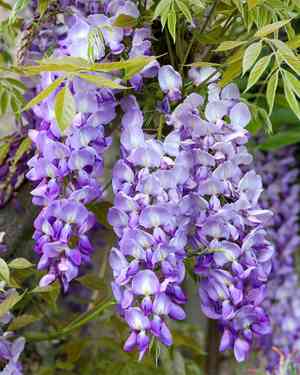
Japanese wisteria is a resilient climber capable of enduring low temperatures with appropriate winter care.
2
Trimming and fertilizing Japanese wisteria in late autumn readies the plant for the upcoming cold season.
3
Consistent checks and prompt actions help ensure Japanese wisteria survives winter robustly and is prepared for spring development.
What is Overwintering?
What is Overwintering?
Overwintering is the method of preparing and tending to plants during colder months to ensure their survival and flourishing in spring. For many perennials, like the Japanese wisteria, this involves specific actions that shield the plant from frost damage and cold stress. These actions include pruning, mulching, adjusting irrigation, and providing physical defense against harsh weather.
Preparing Japanese wisteria for Winter
Pruning the Plant
Pruning is a crucial step in getting your Japanese wisteria ready for winter. In late autumn, after the plant has finished blooming and shed its leaves, trim any dead or diseased branches. Focus on thinning the plant to improve air circulation and lower disease risk. Cut back long shoots to about 30-60 cm (12-24 inches) to maintain a manageable size and encourage robust growth in spring.
Feeding and Mulching
Nourishing your Japanese wisteria with a balanced fertilizer in late autumn can supply the nutrients it needs to endure winter. After feeding, apply a layer of mulch around the plant's base. Use organic materials like straw or wood chips to insulate the roots against temperature shifts. A mulch layer about 5-10 cm (2-4 inches) thick will suffice, offering extra protection without suffocating the roots.
Watering Schedule Adjustment
Modifying the watering schedule as winter approaches is essential. Gradually decrease watering to prevent the plant from becoming waterlogged, which can lead to root rot. However, ensure the soil remains slightly moist, especially before the first hard frost. Consistent moisture helps the plant tolerate cold temperatures better, so aim to water deeply every two weeks if rainfall is insufficient.
How to Protect Japanese wisteria During Winter?
Using Burlap Wraps
Enveloping your Japanese wisteria with burlap wraps can shield it from harsh winter winds and freezing temperatures. Wrap the burlap around the branches and secure it with twine, ensuring it is snug but not too tight to allow air circulation. This physical barrier can protect the plant from severe frost and reduce the risk of winter burn.
Applying Anti-Desiccant Sprays
Anti-desiccant sprays can prevent moisture loss from the leaves and stems during winter. These sprays create a thin, waxy layer on the plant that helps retain moisture and protect against drying winds. Apply the anti-desiccant spray in late fall on a calm, dry day, following the manufacturer's instructions for the best results.
Positioning and Environmental Control
If your Japanese wisteria is potted or newly planted, consider relocating it to a more sheltered spot, such as against a south-facing wall. The wall can provide additional warmth and protection from cold winds. For ground-planted wisteria, erecting windbreaks or temporary barriers around the plant can create a microenvironment that reduces exposure to the cold.
Monitoring Japanese wisteria During Winter
Regular Inspections
Throughout the winter, routinely check your Japanese wisteria for signs of stress or damage. Look for broken branches, indications of disease, or frost damage and address any issues promptly. Keeping an eye on the plant ensures you can take immediate action to mitigate problems before they worsen.
Dealing with Pests and Diseases
Even in winter, pests and diseases can affect your Japanese wisteria. Look for signs of infestations, such as holes in leaves or unusual spots on stems. Remove any affected parts and consider using organic treatments or insecticidal soaps if necessary. Ensuring the plant is healthy can help it better withstand the cold and reduce the risk of more severe issues in the spring.
Spring Preparations for Japanese wisteria After Winter
Gradual Exposure to Outdoor Conditions
As temperatures begin to rise in early spring, slowly reintroduce your Japanese wisteria to outdoor conditions. Gradually remove any protective wraps and allow the plant to acclimate over a week or two. This gradual exposure helps reduce shock and prepares the plant for the growing season ahead.
Resuming Regular Care Routine
Once frost danger has passed, resume your regular care routine for Japanese wisteria. This includes returning to a consistent watering schedule, feeding with a balanced fertilizer, and continuing with any necessary pruning. With proper care, your Japanese wisteria will emerge from winter healthy and ready for a vibrant spring display.



