How to Prune Japanese wisteria?
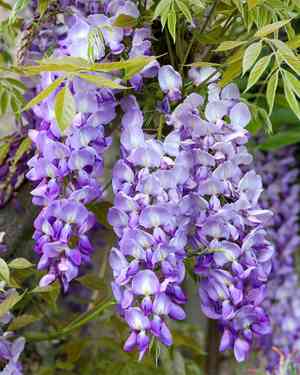
This shedding vine is recognized for its flowing clusters of aromatic, purple-blue blossoms. For japanese wisteria, essential trimming entails shortening lengthy stems to 15 cm following blooming to foster branching, which results in a greater abundance of flowers. Japanese wisteria requires pruning biannually: a gentle trim in late winter for shaping and eliminating deceased wood, and a rigorous trim in early spring to manage its dimensions and stimulate flowering. Regular pruning guarantees vigor and controls its robust development, stopping it from becoming overly aggressive.
What Are the Benefits of Pruning Japanese Wisteria?
What Are the Benefits of Pruning Japanese Wisteria?
Trimming japanese wisteria promotes strong development and preserves its form. Strategic cutting back stimulates new, vigorous shoots and limits uncontrolled expansion, improving the plant's structure and vitality.
What Is the Best Time for Pruning Japanese Wisteria?
What Is the Best Time for Pruning Japanese Wisteria?
Pruning japanese wisteria in late winter or early spring before active growth begins allows shaping without hindering flower development. This is because japanese wisteria blooms on old wood; later pruning would remove current year's flower buds. Pruning during these seasons also helps prevent diseases, as cuts heal faster, reducing infection risk. Additionally, it's easier to see and access japanese wisteria's structure for selective pruning when leaves have fallen.
What Tools Do I Need to Prune Japanese Wisteria?
Bypass pruners
Perfect for making clean cuts on japanese wisteria's young stems, handling diameters up to 1/2 inch.
Loppers
Essential for cutting through thicker branches of japanese wisteria, up to 1 1/2 inches in diameter, offering leverage and reach.
Pruning saw
Utilized for japanese wisteria's mature, woody stems and branches exceeding 1 1/2 inches thick; ensures precise cuts without harming the plant.
Hand shears
Suitable for shaping japanese wisteria and trimming slender, non-woody growth.
Pole pruner
Aids in reaching japanese wisteria's higher stems, especially when the plant is trained over arbors or pergolas.
Gloves
To shield the gardenerâs hands from japanese wisteria's potentially rough stems and any sharp cutting implements.
Safety goggles
To protect the gardenerâs eyes from debris while trimming japanese wisteria.
How to Prune Japanese Wisteria
Clean And Sharpen
Before starting, clean and sharpen pruning tools to prevent disease spread and ensure precise cuts on japanese wisteria.
Remove Diseased Material
Identify and carefully remove all diseased leaves from japanese wisteria, sanitizing pruning tools between each cut to avoid contaminating healthy sections.
Trim Withered Leaves
Locate any withered or old leaves that are no longer healthy or green and trim them off japanese wisteria to encourage better air circulation and light penetration within the plant's canopy.
Thin Crowded Areas
Thin out congested areas by removing some stems at the base to open up japanese wisteria's structure, which allows better airflow and reduces disease risk.
Maintain Structure
Ensure that the overall shape and structure of japanese wisteria is preserved during pruning, avoiding excessive removal of healthy growth which can stress the plant.
Common Pruning Mistakes with Japanese Wisteria
Over-Pruning
Removing too much plant material at once can weaken japanese wisteria and reduce its flowering potential. It is vital not to cut more than one-third of growth to maintain the plant's health and vigor.
Neglecting To Remove Dead Wood
Failing to clear dead or diseased branches can lead to an increase in pests and diseases, which can compromise the overall health and aesthetic appeal of japanese wisteria.
Improper Cut Placement
Cutting too close or too far from the bud can either damage it or leave a stub that risks disease entry. Make sure to cut just above buds and at a 45-degree angle away from them.
Indiscriminate Cuts
Random or careless cuts can result in poor growth patterns and a lack of blooms. Japanese wisteria thrives when pruned methodically to shape and manage its vigorous growth.
Neglecting Structural Pruning
Lack of attention to the plant's overall structure, especially when it's young, can result in a weak framework incapable of supporting japanese wisteria's heavy blooms.
Common Pruning Tips for Japanese Wisteria
Manage Growth
Control japanese wisteria's robust growth by regularly removing suckers and unwanted shoots to promote air circulation and light penetration, crucial for its health and flowering.
Thin Out
Thinning out congested stems helps improve air flow and light access throughout japanese wisteria, which is important for reducing fungal disease risk and encouraging more prolific flowering.
Promote Horizontal Growth
Encourage horizontal growth through careful training and selective pruning; this helps distribute the weight of the blooms and can lead to a more impressive floral display.
Rejuvenate
Revitalize older plants by selectively removing a few of the oldest stems at the base. This encourages the development of vigorous new growth that can bear flowers.
Maintain Tools
Use sharp and clean pruning tools to ensure clean cuts that heal quickly, preventing disease entry and minimizing stress to japanese wisteria.



