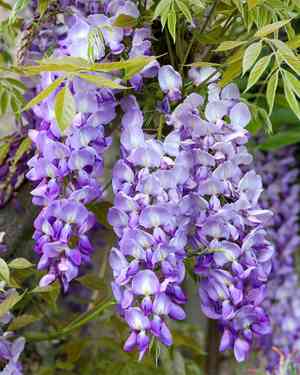
Japanese wisteria(Wisteria floribunda)

Japanese wisteria (Wisteria floribunda)

Also known as: Japanese Wisteria, Fuji

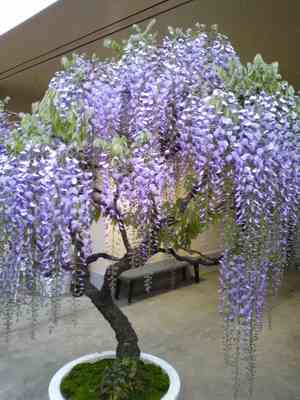
Japanese wisteria (*Wisteria floribunda*) is a robust climber that needs a strong, durable structure to support its substantial growth and weight as it matures. Ideal structures include pergolas, arbors, or heavy-duty trellises made from materials like wood or metal. In spring, this plant is known for its long, cascading clusters of fragrant purple flowers, followed by seed pods that burst open to disperse seeds. While its stunning appearance makes it a popular choice, it is important to manage it carefully due to its invasive nature.

Attributes of Japanese wisteria

Lifespan
Perennial
Plant Type
Vine
Plant Height
9 m
Spread
6 m
Leaf Color
Green Yellow
Flower Size
5 cm to 7 cm
Flower Color
Pink Purple Blue White Violet

ForwardPlant - Identify plants with a snap

Identify and diagnose plants, get toxicity alerts, and explore safety guides for all types of fungi.

Try for Free

Images of Japanese wisteria

Japanese wisteria(Wisteria floribunda)

Quickly Identify Japanese wisteria

1
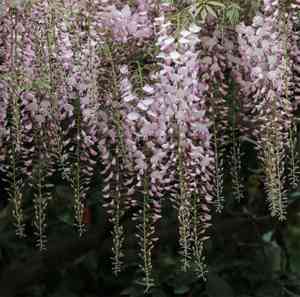
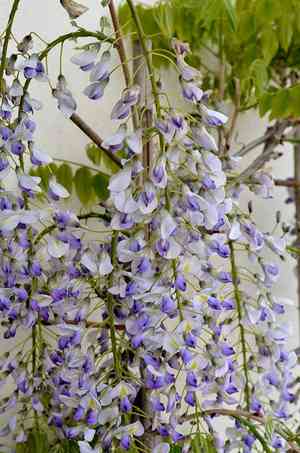
Pea-like, fragrant flowers in cascading clusters up to 3 feet (90 cm) long.
2
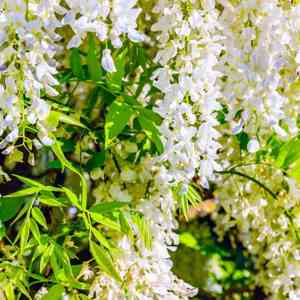
Bright green compound leaves with 15-19 leaflets, smooth texture, tinged with red when young.
3
Velvety textured seed pods, 2 1/2 to 6 inches (6.4 to 15.2 cm) long, containing 1-8 seeds.
4
Twining stem with dual green and gray coloration, thickening up to several inches in diameter.
5
Muscle-like, fluted trunk with dark gray bark, growing to widths up to 10 inches (25 cm).

Scientific Classification of Japanese wisteria

Phylum
Vascular plants
Class
Dicotyledons
Order
Legumes, milkworts and allies
Family
Legume
Genus
Wisterias
Species
Japanese wisteria

Planting and Growing of Japanese wisteria

Care Difficulty
Hard
Watering Schedule
Every 8 days
Sunlight Requirements
Full sun
Sunshine Duration
6-10 hours
Ideal Temperature
59-77℉
Soil Type
Potting Mix, Peat Mix
Soil pH
6.5-7.5
Fertilizer Type
Balanced
Pruning Season
Spring, Summer
Pruning Area
Branches, Leaves
Pruning Frequency
2 times a year
Repotting Season
Spring
Pot Type
Plastic, Terracotta

water icon How to Water Japanese wisteria?

For Wisteria floribunda, a deep and thorough watering is essential. Water the soil until it is moist down to at least 30 centimeters. The goal is to ensure that the moisture reaches the deeper roots, but be cautious of waterlogging.
What are the symptoms of an underwatered Japanese wisteria?
What should I do if my Japanese wisteria is not getting enough water?
What are the symptoms of an overwatered Japanese wisteria?
How to save an overwatered Japanese wisteria?
More About Watering Techniques

sunlight icon What Are the Sunlight Requirements for Japanese wisteria?

Sunlight Requirements: Full sun
Duration of light: 6 to 8 hours
Wisteria floribunda thrives in full sun, where it can benefit from brighter exposure, leading to strong, prolific flowering. Ideal lighting energizes the plant's metabolic processes, enhancing its decorative appeal.
What is the best light condition for Wisteria floribunda?
How can I achieve the best lighting conditions for Wisteria floribunda?
What are the benefits of ideal lighting for Wisteria floribunda?
More About Sunlight Requirements Techniques

temperature icon What Is the Ideal Temperature Range for Japanese wisteria?

Ideal Temperature: 59 ~ 77℉
Wisteria floribunda thrives best in temperatures ranging from 59°F to 77°F. This range provides an optimal environment for photosynthesis and growth, ensuring vibrant blooms and healthy foliage.

soil icon What Soil is Best for Japanese wisteria?

Soil type: Loam, Sandy loam
Soil PH: 6.5 ~ 7.5
Wisteria floribunda thrives in well-drained soil to prevent root rot. Ensuring proper drainage can lead to vigorous growth and a flourish of beautiful blooms. This plant benefits from nutrient-rich soil, which can be enhanced by adding compost. The nutrients aid in the development of lush leaves and vibrant flowers. Maintaining moderately moist soil conditions helps encourage healthy root expansion and robust vine growth, allowing the plant to climb and spread with vigor. More About Soil

fertilize icon How to Fertilize Japanese wisteria?

Fertilizer type: Balanced
Wisteria floribunda, also known as Japanese wisteria, thrives with balanced fertilization. It's beneficial to apply one tablespoon of a balanced 10-10-10 NPK fertilizer per gallon of water when using liquid fertilizers. This helps encourage vibrant foliage and abundant blooms. More About Fertilizing Techniques

prune icon How to Prune Japanese wisteria?

Pruning Time: Spring, Summer, Winter
Start by cutting back all side-shoots to foreshorten them to 2-3 buds. This method is essential for cultivating a dense flowering display and maintaining the vine’s form. Pruning cuts should be clean and made just above a bud to prevent dieback. Develop a sturdy framework by selecting a strong, upright stem, and tying it gently to a support system. Regularly remove any competing trunks or branches to encourage upward growth, establishing a robust structure for the decorative racemes. More About Pruning Techniques

propagate icon How to Propagate Japanese wisteria plant?

Propagate Time: Spring,Late spring,Early spring
1
Choose a vigorous, healthy stem with no signs of disease or pest infestation. Ideally, the stems should be semi-hardwood, as this stage allows for better rooting compared to too young or too old parts of the plant.
2
Cut the selected stems into several sections, each about 4-6 inches long. Remove the leaves from the lower half of the cutting, and dip the cut end into rooting hormone to encourage root growth.
3
Plant the cuttings into a pot filled with well-draining potting mix. Water them lightly and cover with plastic to maintain humidity. Place the pot in a warm area with indirect sunlight for optimal growth conditions.
More About Propagating Techniques

repot icon How to Repot Japanese wisteria plant?

Repotting frequency: Every 2-3 years
1
Monitor the plant for signs such as roots emerging through pot drainage holes or the plant becoming top-heavy. Typically, this is a clear sign that Wisteria floribunda needs more space to grow. Conduct repotting during early spring or summer when the plant is most active.
2
Select a pot that is approximately 2 inches larger in diameter than the current one. A spacious pot encourages healthy root development, while proper drainage holes reduce the risk of waterlogging.
3
Choose a well-draining loamy soil mix with a slightly acidic pH. This soil type ensures Wisteria floribunda roots receive adequate oxygen while retaining necessary nutrients, contributing to healthy growth and vibrant blooming.

ForwardPlant - Identify plants with a snap

Find the best spots for them to optimize their health, simply using your phone.

Try for Free

Toxicity of Japanese wisteria

Is Japanese wisteria toxic to humans?

The Japanese wisteria presents a significant toxicity hazard to humans if ingested. Every component of the Japanese wisteria, including its seeds, pods, bark, leaves, and flowers, is toxic. The harmful effects arise from the presence of toxic substances like lectin and wisterin. If any parts of the Japanese wisteria are unintentionally consumed, individuals may suffer from a variety of acute symptoms. These can include intense gastrointestinal issues, such as nausea, vomiting, and diarrhea, alongside confusion, dizziness, and in some cases, potentially fatal effects owing to its high toxicity. It is essential to be mindful of the dangers linked to Japanese wisteria and to prevent accidental ingestion, particularly in areas where children or pets might encounter the plant.

Is Japanese wisteria toxic to cat?

Japanese wisteria poses a significant toxicity threat to cats. Even small amounts consumed can result in severe health complications. Cats may inadvertently ingest parts of the plant, resulting in poisoning. The whole plant is toxic, containing substances like lectin and wisterin that are detrimental to felines. Upon consumption, immediate signs of distress may arise. Pet owners noticing such symptoms or suspecting ingestion of Japanese wisteria should promptly seek veterinary assistance to safeguard their pet's health.

Is Japanese wisteria toxic to dog?

Japanese wisteria presents a significant toxicity hazard for dogs. Canines might inadvertently consume various parts of this plant, resulting in poisoning. The entire plant is harmful, indicating that any intake of leaves, blooms, seeds, or stems can be perilous. Symptoms manifesting in dogs due to poisoning include vomiting, diarrhea, lethargy, and disorientation. In certain instances, ingestion can trigger more grave reactions such as fainting or convulsions. The toxic compounds found in Japanese wisteria are lectin and wisterin. If you suspect that your dog has eaten any part of Japanese wisteria, it is crucial to seek prompt veterinary assistance to minimize the impact of the toxins.

Identify toxic plants for your safety

Learn which plants are harmful to you and your pets, and make informed choices for a safer home!

Try for Free
WARNING
The judgment on toxicity and danger is for reference only. We DO NOT GUARANTEE any accuracy of such judgment. Therefore, you SHALL NOT rely on such judgment. It is IMPORTANT TO SEEK PROFESSIONAL ADVICE in advance when necessary.
More About Toxic Techniques