The Japanese wisteria Plant Advantage: Maximizing Home and Office Appeal and Wellness
1
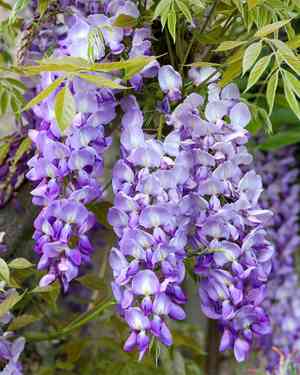
Japanese wisteria is celebrated for its stunning, flowing flower clusters that elevate any garden's visual appeal.
2
This flora draws in numerous pollinators, such as bees and butterflies, fostering a livelier ecosystem.
3
Japanese wisteria, with its swift growth and climbing form, can establish organic shade and seclusion.
Why Integrate Japanese Wisteria into Your Garden Design?
Visual Charm
The aesthetic appeal of Japanese wisteria stems from its flowing flower clusters, which blossom in hues of blue, violet, and white. These opulent blooms can transform any garden area, imparting an elegant and enduring grace. Gardeners frequently train it to ascend pergolas, arbors, and walls, creating striking vertical displays that capture attention and elevate the overall beauty of the space.
Supporting Local Wildlife
Japanese wisteria is an excellent plant for attracting pollinators like bees and butterflies. These pollinators play a vital role in maintaining your garden's health by aiding in the fertilization of other plants. By fostering an environment rich in pollinators, you contribute to a balanced and flourishing ecosystem. Furthermore, the dense foliage of Japanese wisteria offers refuge for small mammals and birds, enhancing biodiversity in your garden.
Practical Applications of Japanese Wisteria in Landscaping
Creating Shade and Seclusion
One of the practical advantages of Japanese wisteria is its rapid-growing, vine-like habit, which can be utilized to generate natural shade. When guided to grow over structures such as pergolas or trellises, it forms a lush canopy that provides cooling relief from the sun. Additionally, its thick growth makes it an excellent option for establishing privacy screens, helping to obscure undesirable views and create a sense of retreat in your garden.
Soil Improvement
Japanese wisteria is a leguminous plant, meaning it possesses the capacity to fix nitrogen in the soil. Nitrogen is a crucial nutrient for plants, and the presence of Japanese wisteria can boost soil fertility, benefiting the growth of nearby plants. This natural enhancement of soil quality serves as an eco-friendly alternative to chemical fertilizers, fostering a healthier garden ecosystem overall.
How to Cultivate Japanese Wisteria?
Optimal Growing Conditions
Japanese wisteria thrives in well-drained soils and can endure a range of pH levels, though it prefers slightly acidic to neutral conditions. It requires full sun for prolific blooming but can tolerate partial shade. To ensure robust growth and abundant flowering, it's important to provide a support structure and ample room for the vine to expand.
Pruning and Upkeep
Regular pruning is crucial for managing the size and form of Japanese wisteria. Pruning should be performed in late winter or early spring before new growth commences. Remove any dead or overcrowded branches to encourage better air circulation and light penetration, which will promote healthier growth and more vibrant flowers. Additionally, careful pruning helps prevent the plant from becoming invasive and ensures it remains a well-maintained feature in your garden.
Common Varieties of Japanese Wisteria
Variety 1: Alba
This cultivar is recognized for its striking white flowers that beautifully contrast with its rich, green foliage. It's a favorite among gardeners seeking to add a touch of sophistication to their space.
Variety 2: Macrobotrys
Macrobotrys features exceptionally long flower clusters that can reach up to 1.5 meters in length. The purple-blue blooms of this variety create a dramatic, flowing effect that is sure to be a focal point in any garden.



