Optimal Fertilizer for Growing Japanese wisteria: What You Need to Know
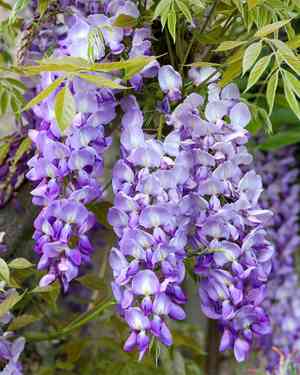
1
Japanese wisteria thrives on balanced plant food with an equal NPK balance, such as 10-10-10.
2
Excessive fertilization may result in abundant leaves but fewer flowers. Adhere strictly to suggested dosages.
3
The optimal period to fertilize your Japanese wisteria is from early to mid-Spring, preparing it for active growth.
Understanding the Nutritional Needs of Japanese wisteria
Essential Nutrients for Vigorous Growth
Just like all flora, Japanese wisteria requires various nutrients to flourish. The three main nutrients are nitrogen (N), phosphorus (P), and potassium (K), known collectively as NPK. Nitrogen is crucial for leaf development, phosphorus aids root growth and flower production, and potassium boosts overall plant health and disease resistance. Trace elements like iron, magnesium, and zinc, though needed in smaller amounts, are equally vital for the plantâs metabolic functions.
Signs of Nutrient Deficiencies
Spotting nutrient deficiencies early can prevent lasting harm to your Japanese wisteria. Common indicators include yellowing leaves (often a sign of nitrogen deficiency), sparse blooming (potentially phosphorus deficiency), and weak stems or poor resistance to pests and diseases (likely potassium deficiency). Heeding these signs can help you fine-tune your fertilization approach effectively.
Choosing the Right Fertilizer for Japanese wisteria
Types of Fertilizers: Organic vs. Synthetic
Deciding between organic and synthetic fertilizers can be challenging. Organic fertilizers, such as compost and manure, release nutrients slowly and enhance soil structure. Synthetic fertilizers are designed for rapid nutrient release, ensuring quick absorption by plants. For Japanese wisteria, either type can be effective, but a balanced method often works bestâusing a blend of both to leverage their distinct benefits.
Recommended NPK Ratio for Flourishing Vines
The ideal NPK ratio for Japanese wisteria is typically a balanced 10-10-10 fertilizer. This will encourage uniform growth, blooming, and overall plant vitality. Steer clear of high-nitrogen fertilizers, as these can lead to excessive foliage growth at the expense of flowers. Opt for fertilizers specifically formulated for flowering plants or vines for optimal outcomes.
Proper Fertilizing Techniques for Japanese wisteria
When to Fertilize for Optimal Health
The best time to fertilize your Japanese wisteria is in early to mid-Spring. This timing ensures the plant receives essential nutrients just as it begins its active growth phase, leading to robust development and abundant blossoms. Avoid fertilizing late in the season as this can stimulate new growth that might not harden off before winter.
Step-by-Step Guide to Fertilizing Japanese wisteria
Fertilizing Japanese wisteria is simple if you follow these steps:Start by thoroughly watering the plant a day before fertilizing to prevent root burn.Measure the recommended amount of fertilizer according to the package instructions.Apply the fertilizer evenly around the plant's base, avoiding direct contact with the stems.Gently work the fertilizer into the topsoil without disturbing the roots.Follow up with a thorough watering to help dissolve and distribute the nutrients into the soil.
Monitoring and Adjusting Fertilization Practices
Observing Plant Response and Growth Patterns
After applying fertilizer, closely observe your Japanese wisteria for any changes in growth and development. Healthy plants will display lush, green leaves and vigorous new shoots. Abundant flowering is another positive indicator. Conversely, if the plant shows signs of distress, such as yellowing leaves or poor growth, re-evaluate your fertilization strategy.
When to Reduce or Increase Fertilizer Application
Adjusting your fertilization practices is vital for maintaining plant health. If your Japanese wisteria exhibits signs of over-fertilization, such as excessive leaf growth with few flowers, decrease the amount or frequency of fertilizer applications. Conversely, if the plant appears under-fertilized, with poor growth or yellowing leaves, you may need to increase the fertilizer application. Always make adjustments gradually and monitor the plant's response closely.



