Enhancing Your Garden Design with the Japanese wisteria Plant: A Landscaping Guide
1
Japanese wisteria flourishes in ample sunshine yet can endure some dappled light, offering flexibility for diverse garden environments.
2
Adequate soil permeability is essential to avert root decay in Japanese wisteria.
3
Japanese wisteria complements blooming bushes and low-growing plants wonderfully for a multi-tiered garden aesthetic.
Introducing Japanese Wisteria for Landscape Design
Why Japanese wisteria is a preferred choice for gardeners
For enhancing your garden's appeal, Japanese wisteria stands out as an excellent option. Its captivating flowers and elegant growth habit make it a favorite among both new and seasoned gardeners. A primary reason for its popularity is its robust resilience and adaptability, thriving across various climates and conditions. Moreover, Japanese wisteria's longevity means it can be a central feature in your garden for many years, improving its visual charm as it matures.
The visual appeal of Japanese wisteria in outdoor settings
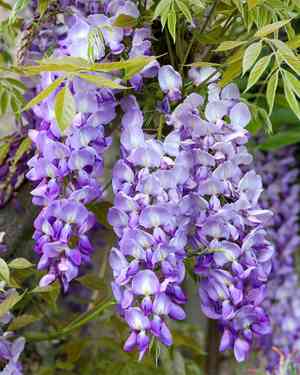
The aesthetic allure of Japanese wisteria is undeniable. Its flowing blossoms create an ethereal ambiance, making it ideal for pergolas, trellises, and arbors. The trailing flowers offer a soft, romantic touch, transforming ordinary garden areas into magical scenes. Additionally, its seasonal color shiftsâfrom vivid purples and blues to delicate whitesâprovide a dynamic landscape that beautifully changes with each season.
Selecting the Ideal Location for Japanese Wisteria
Considering light exposure and shade
Choosing the correct spot for Japanese wisteria greatly impacts its health and bloom potential. Ideally, you should plant Japanese wisteria where it can receive at least six hours of direct sunlight daily. While it can endure some shade, full sun guarantees abundant flowers and robust development. Consider placing it near south-facing walls or open areas to maximize sun exposure, boosting the plant's photosynthesis and overall growth.
Soil composition and drainage requirements
The quality of soil you select for Japanese wisteria is crucial for its success in your garden. It flourishes in well-draining, slightly acidic to neutral soil. Ensuring proper drainage is vital to prevent waterlogging, which can lead to root rot. To improve soil conditions, incorporate organic compost, which not only enhances drainage but also supplies essential nutrients. A soil test before planting can help you amend the soil appropriately, ensuring an optimal environment for Japanese wisteria.
Integrating Japanese Wisteria with Other Plants
Ideas for companion planting
Companion planting with Japanese wisteria can create a more diverse and visually appealing garden. Consider pairing Japanese wisteria with flowering shrubs like azaleas or rhododendrons, which offer contrasting colors and textures. Groundcovers such as creeping thyme or hens and chicks can complement Japanese wisteria's vertical growth by covering the soil beneath, creating a cohesive and lush landscape. Choose companions that share similar light and soil preferences to ensure harmonious growth.
Color and texture considerations for design
When planning your garden, consider how Japanese wisteria can enhance the color palette and textural variety. Japanese wisteria's soft, cascading flowers pair well with plants that have bolder foliage, such as hostas or ferns. This contrast can create a visually engaging garden, with each plant highlighting the other's unique attributes. Moreover, coordinating bloom times with other perennials can ensure your garden remains vibrant and captivating throughout the growing season.
Design Suggestions for Using Japanese Wisteria in Your Garden
Creating focal points with Japanese wisteria
Utilizing Japanese wisteria as a focal point in your garden can attract attention and establish a visual anchor. Plant it near entrances, patios, or key viewing spots to maximize its impact. Employ structures like arches or pergolas to display its climbing nature, transforming these features into living sculptures with the plant's flowing blooms. By carefully selecting where to place Japanese wisteria, you can direct the viewerâs gaze and craft a compelling narrative within your garden.
Achieving balance in scale and proportion
Balancing scale and proportion is essential when incorporating Japanese wisteria into your landscape design. Ensure that the size of Japanese wisteria complements other plants and garden elements, avoiding overwhelming smaller plants or getting lost among larger trees. Regular pruning and training can help manage its growth and maintain a balanced appearance. Consider using vertical space effectively, especially in smaller gardens, to achieve a sense of depth and dimension without overcrowding.
Care and Maintenance of Japanese Wisteria in Landscapes
Seasonal pruning methods
Maintaining Japanese wisteria involves consistent pruning to encourage healthy growth and abundant flowering. Prune in late winter to early spring, removing dead or weak stems. Summer pruning can also be beneficial for controlling size and shape. Focus on thinning out dense areas to improve air circulation and sunlight penetration. Proper pruning ensures that Japanese wisteria remains manageable and retains its aesthetic appeal throughout the year.
Managing common pests and diseases
While Japanese wisteria is quite resilient, it can sometimes be affected by pests like aphids and scale insects, or diseases such as root rot and leaf spot. Regularly inspect your plants for signs of infestation or illness. Natural remedies, such as neem oil, can be effective against pests. Ensure good air circulation and avoid waterlogged soils to prevent fungal diseases. Promptly addressing any issues will keep Japanese wisteria healthy and vibrant, contributing to a thriving garden.



