How Often Should You Water Your Pineapple sage?
1
Provide water to your Pineapple sage weekly, but always assess the soil's dampness beforehand.
2
In warm summer periods, increased watering may be necessary for Pineapple sage due to quicker moisture loss.
3
Applying a layer of mulch assists in retaining soil hydration, suppressing unwanted plants, and safeguarding the plant's root system.
Understanding the Moisture Requirements of Pineapple Sage
How Climate Affects Watering Needs
Local weather significantly impacts how often you should irrigate your Pineapple sage. In warmer areas, the plant will require more frequent watering due to increased evaporation rates. Conversely, in cooler, humid environments, less irrigation may be necessary. Always consider your regional climate and weather patterns when planning your watering schedule. For instance, if you reside in a dry, arid zone, you might need to water your Pineapple sage more than once weekly.
Soil Composition and Water Retention
The type of soil your Pineapple sage is planted in also influences its hydration requirements. Well-draining soils, such as sandy or loamy varieties, typically demand more frequent watering because water passes through them quickly. In contrast, clay soil holds moisture longer, so you might not need to water as often. To assess your soil's drainage, dig a small hole and fill it with water; if it drains within an hour, your soil likely drains well.
Optimal Watering Practices for Pineapple Sage
Assessing Soil Moisture Before Irrigation
Prior to watering your Pineapple sage, always check the soil's moisture level. Insert your finger approximately 2-3 inches (5-7 cm) into the soil. If it feels dry at this depth, it's time to water. A soil moisture meter can also provide an accurate reading. This method helps prevent overwatering and ensures your plant receives water only when necessary.
Seasonal Watering Frequency
The frequency of watering your Pineapple sage will change with the seasons. During the active growth period in spring and summer, when the plant is developing and blooming, it will need more waterâroughly once a week, sometimes more often in very hot conditions. However, in the cooler months of fall and winter, the plant's growth slows, and it requires less frequent watering, perhaps every 10-14 days. Always monitor soil moisture and adjust your watering routine accordingly.
Correct Watering Techniques
For effective watering of your Pineapple sage, water deeply to encourage downward root growth, enhancing the plant's stability. Water the base of the plant in the early morning to allow any excess moisture on the leaves to evaporate throughout the day, which helps prevent fungal issues. Use a soaker hose or a watering can with a narrow spout to direct water near the soil surface and avoid wetting the foliage.
Common Watering Errors to Avoid with Pineapple Sage
Excessive Watering and Its Effects
Overwatering is a frequent mistake with Pineapple sage. This plant prefers slightly dry conditions and is prone to root rot if kept in consistently wet soil. Indicators of overwatering include yellowing leaves, a wilted appearance despite wet soil, and a foul odor near the plantâs base. To prevent overwatering, ensure your soil has good drainage and always check soil moisture before irrigating.
Insufficient Watering and Stress Signals
Conversely, underwatering can stress your Pineapple sage and impede its development. Signs that your plant isn't receiving enough water include wilting, dry, brittle leaves, and stunted growth. To avoid underwatering, establish a consistent watering schedule and adjust it based on the plant's needs and environmental factors. Remember, the aim is to keep the soil consistently moist, but not waterlogged.
Expert Advice for Optimal Hydration of Pineapple Sage
Using Mulch to Retain Soil Moisture
Applying mulch around your Pineapple sage can help maintain soil moisture, reducing the need for frequent watering. Organic mulch, such as straw, wood chips, or compost, not only conserves water but also provides nutrients to the plant as it decomposes. Apply a layer of mulch about 2-3 inches (5-7 cm) thick around the plant's base, ensuring it's not piled against the stem to prevent rot.
Water's Role in Flowering and Development
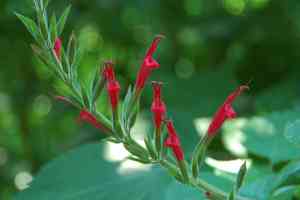
Proper hydration is vital for the flowering and overall growth of Pineapple sage. Consistent watering supports healthy leaf production and encourages the plant to produce its beautiful red tubular flowers, which are a favorite of hummingbirds and butterflies. Adequate water supply during the growing season ensures that the plant has the necessary resources to produce abundant blooms and reach its full growth potential.



