How to Transplant Pineapple sage?
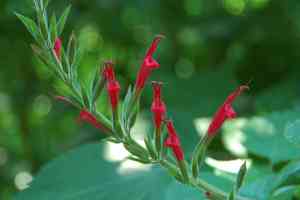
The ideal period for transplanting pineapple sage is during the revitalizing spring, when temperatures are mild and not yet scorching. Choose locations that receive ample sunlight and are protected from strong gusts. A hospitable, well-aerated soil will facilitate a smooth establishment.
What Preparations are Needed Before Transplanting Pineapple Sage?
What is the Ideal Time for Transplanting Pineapple Sage?
The optimal period for relocating pineapple sage is during the spring season. This time offers the plant the advantages of warmer soil and extended daylight, crucial for root development prior to summer's heat. Moving it during this phase allows pineapple sage to adapt smoothly, with mild weather reducing transplant shock, giving your pineapple sage the best start in its new spot.
How Much Space Should You Leave Between Pineapple Sage Plants?
For a robust, flourishing pineapple sage, ensure ample room. The recommended transplanting distance is approximately 3-4 feet (0.9-1.2 meters). This provides each plant sufficient area for root system establishment and light absorption. Be patient, good things take time!
What is the Best Soil Mix for Pineapple Sage Transplanting?
It's crucial to utilize rich, well-draining soil for your pineapple sage. Before transplanting, enrich your soil with a slow-release, general-purpose fertilizer; this establishes a strong base for your plant. Remember, quality soil leads to a happy plant!
Where Should You Relocate Your Pineapple Sage?
Finally, let's discuss sun exposure. Your pineapple sage thrives in sunlight and requires full sun to flourish. Position your plant where it can receive at least 6 hours of direct sunlight daily. Good luck, and happy gardening!
What Equipments Should You Prepare Before Transplantation Pineapple Sage?
Gardening Gloves
To protect your hands when handling soil and plants.
Shovel or Spade
For excavating holes and extracting the pineapple sage from its original spot.
Garden Fork
To loosen the earth in the designated planting area.
Gardening trowel
For creating a precise cavity in which to place the plant.
Watering Can
To hydrate the plant before and after the relocation process.
Mulch
This will aid in moisture retention post-transplanting.
Compost
To enrich the transplanting hole with essential nutrients.
Stake and Tie
These might be necessary to support the pineapple sage plant until it settles in its new location.
How Do You Remove Pineapple Sage from the Soil?
How Do You Remove Pineapple Sage from the Soil?
From Ground: First, moisten the soil around the pineapple sage plant, then, using a shovel, dig a wide trench, ensuring the plant's root ball remains intact. Carefully work the spade beneath the root ball to lift the plant.From Pot: Water the plant thoroughly and allow it to drain for a few minutes. Then, grasp the pineapple sage at its base near the soil line and invert the pot, tapping its bottom to dislodge the root ball and slide the plant out.From Seedling Tray: Water the seedlings to dampen the soil, then gently lift the pineapple sage seedling by pushing from the cell's bottom. Be careful not to pull the plant, as this may cause injury.
Step-by-Step Guide for Transplanting Pineapple Sage
Prepare the Hole
Using a shovel, dig a hole twice as wide and as deep as the pineapple sage plant's root ball.
Soil Preparation
Partially fill the hole with a blend of garden soil and compost, creating a nutrient-rich bed for the plant's roots.
Placement
Position your pineapple sage plant in the hole, ensuring the top of the root ball is level with the surrounding soil.
Backfill the Hole
Refill the hole with the soil and compost mixture, gently patting to eliminate air pockets and ensure firm support.
Watering
Water the pineapple sage plant generously after transplanting, thoroughly soaking the soil.
Mulching
Spread a layer of mulch around the plant's base to help conserve water.
How Do You Care For Pineapple Sage After Transplanting?
Watering
Maintain consistent soil moisture levels, but prevent waterlogging.
Pruning
Lightly prune the pineapple sage to encourage dense growth and remove any damaged or unhealthy plant parts.
Checking
Regularly inspect your pineapple sage for signs of pests or disease and address them promptly.
Supporting
Depending on the plant's size, you may need to stake it to provide additional support as it develops.
Troubleshooting Common Issues with Pineapple Sage Transplantation.
When is the optimal time of year to transplant pineapple sage?
The best period for relocating pineapple sage is during the early to mid-stages of the growing season. This typically aligns with late winter to early spring.
What kind of soil does pineapple sage need during transplanting?
Pineapple sage thrives in well-drained and fertile soil. If you're transplanting, consider enriching your soil with compost or organic matter to boost its fertility.
What is the ideal spacing when transplanting pineapple sage?
To ensure pineapple sage grows healthily, you must provide ample room. The ideal spacing when transplanting is about 3-4 feet (0.9-1.2m).
How deep should I plant pineapple sage when transplanting?
When transplanting, make sure to plant pineapple sage at the same depth as it was in its initial container. It encourages better root establishment.
What are the best preliminary steps before transplanting pineapple sage?
Before transplanting pineapple sage, water it thoroughly a day before you plan to move it. This allows the plant to be hydrated and the soil to be manageable.
How frequently should I water pineapple sage after transplanting?
After transplanting, pineapple sage should be kept consistently moist, which generally means watering every 2-3 days. However, adjust based on your local climate and soil type.
What is the ideal temperature for pineapple sage after transplanting?
Pineapple sage prefers moderate temperatures so aim to maintain an ambient temperature of around 60 - 75°F (15 - 24°C) after transplanting.
Can pineapple sage be transplanted in a container?
Absolutely! Pineapple sage adapts well to containers. Ensure that the container drains well and is large enough to accommodate root growth of up to 3-4 feet (0.9-1.2m).
Will pineapple sage tolerate sunlight after transplanting?
Yes, pineapple sage loves sunlight. After transplanting, place it where it can receive full sunlight. However, partial shade is also tolerated during the hottest parts of the day.
How should I care for pineapple sage after transplanting?
After transplanting pineapple sage, maintain consistent watering, especially during dry periods. Apply a balanced fertilizer monthly, and prune to promote healthy growth and shape.



