How to Propagate Pineapple sage?
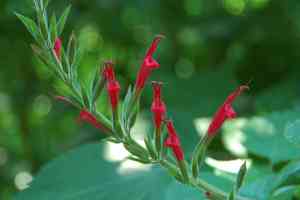
Salvia elegans, a favored herbaceous perennial recognized for its appealing crimson blossoms and aromatic leaves, can be multiplied by planting seeds. To achieve successful sprouting, it is crucial to offer a warm, damp, and adequately draining substrate. Gently conceal the seeds with earth, as they require some illumination for germination. Sustain steady hydration without excessive watering to foster robust root growth. After the young plants appear and attain an appropriate dimension, they can be cautiously relocated to separate containers or desired garden spots, ensuring a gradual adjustment if transferring them outside.
When Is the Optimal Time to Propagate Pineapple Sage?
Propagation Type
Sowing
Propagation Season
Spring
What Equipment Is Used in Pineapple Sage Propagation?
Seed trays
Seed trays are vital for initiating pineapple sage seeds under controlled conditions. Their individual compartments help maintain a distinct growing environment for each seed, reducing competition and facilitating easier transplanting without harming delicate roots. Utilizing seed trays ensures consistent growth, simplifying the monitoring of germination and providing uniform care.
Potting mix
A premium, well-draining potting mix is essential for the successful germination and initial development of pineapple sage. The mixture should be light and possess good water retention capabilities, with perlite or vermiculite to improve aeration. This enables the tender roots of newly sprouted pineapple sage seedlings to easily penetrate and establish a robust root system.
Humidity dome
To maintain the ideal moisture level around pineapple sage seedlings, a humidity dome is advised. This device helps to trap atmospheric moisture, creating a humid environment beneficial for seed germination and preventing rapid soil drying. It promotes stable growth conditions, which are crucial for the early stages of pineapple sage propagation.
How to Propagate Pineapple Sage?
Propagation Type
Simple
How to Care for Your Newly Propagated Pineapple Sage?
How to Care for Your Newly Propagated Pineapple Sage?
After propagation, care involves gradually adapting the new pineapple sage plants to their environment. Start by exposing them to more direct sunlight over a week. Consistent watering should be maintained, allowing the soil surface to dry slightly between waterings. Lightly fertilize with a balanced liquid fertilizer every 4-6 weeks during the active growth period. Watch for pests and diseases, treating them as needed to keep the plant healthy.
Common Errors to Avoid When Propagating Pineapple Sage
Improper stem cutting preparation
When gardeners fail to choose healthy, non-flowering stems or do not make a clean cut, pineapple sage's chances of successful rooting are reduced.
Incorrect soil mixture
Using a soil blend that lacks proper drainage can lead to waterlogging, potentially causing root rot and negatively impacting pineapple sage's propagation.
Overwatering
Watering pineapple sage too frequently during propagation can create excessively moist conditions that may encourage fungal growth and decay in the cuttings.
Lack of humidity
Pineapple sage cuttings require a high humidity environment for successful rooting; neglecting to provide this can result in desiccation and poor root development.
Ignoring pest control
Failing to inspect for pests can lead to infestations that weaken or destroy pineapple sage cuttings before they can establish.
Tips For Propagating Pineapple Sage
Use healthy stems
Selecting strong, green, non-flowering stems increases the likelihood of successful root development for pineapple sage.
Well-draining soil
Employing a light, well-draining soil mix helps prevent waterlogging and supports healthy root growth for pineapple sage.
Balanced watering
Maintaining consistently moist soil without overwatering encourages pineapple sage to develop roots without the risk of rot.
Maintain humidity
Covering pineapple sage cuttings with a plastic bag or using a propagation dome helps keep the humidity high, aiding in root formation.
Monitor pests
Regularly checking pineapple sage cuttings for signs of pests and promptly treating any infestations can safeguard the young plants.



