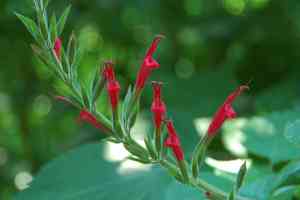
Pineapple sage (Salvia elegans)
Also known as: Pineapple Sage, Tangerine Sage
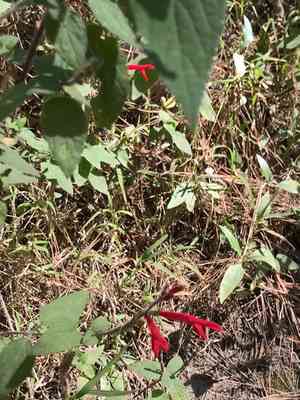
Pineapple sage (Salvia elegans) typically forms naturalized clusters at the edges of woodlands, even in higher altitudes. Its vibrant red flowers are particularly appealing to hummingbirds and butterflies. While the flowers are technically edible, they closely resemble the toxic blooms of Salvia coccinea, so it's wiser to enjoy them as potpourri rather than consuming them.
In This Article
Attributes of Pineapple sage
Lifespan
Perennial, Annual
Plant Type
Herb, Shrub
Plant Height
1.2 m to 1.5 m
Spread
90 cm to 1.2 m
Leaf Color
Green
Flower Size
2.5 cm
Flower Color
Red
Images of Pineapple sage
Quickly Identify Pineapple sage
1
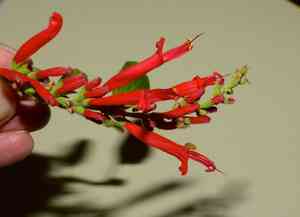
Vibrant scarlet-red flowers bloom late into winter, emitting a pineapple scent.
2
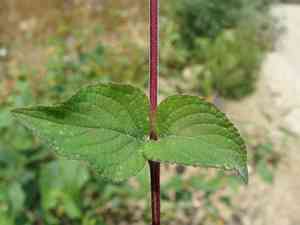
Opposite deltoid leaves with yellow-green color, veined in white, and fuzzy texture.
3
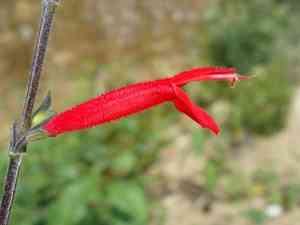
Distinctive whorls of 4 tubular flowers with hood-like upper lip and spreading lower lip.
4
Fruit is a schizocarp, splitting into single-seeded compartments upon maturity.
5
Erect stems with square cross-sections, green to reddish-green, and prone to breaking.
Scientific Classification of Pineapple sage
Phylum
Vascular plants
Class
Dicotyledons
Order
Lamiales
Family
Mint
Genus
Sages
Species
Pineapple sage
Planting and Growing of Pineapple sage
Care Difficulty
Easy
Watering Schedule
Every 5 days
Sunlight Requirements
Full sun
Sunshine Duration
4-8 hours
Ideal Temperature
65-75℉
Soil Type
Potting Mix, Peat Mix
Soil pH
6.5-7.5
Fertilizer Type
Balanced
Pruning Season
Spring, Summer
Pruning Area
Branches, Leaves
Pruning Frequency
2 times a year
Repotting Season
Spring
Pot Type
Plastic, Ceramic
 How to Water Pineapple sage?
For Salvia elegans, the ideal watering practice is to provide it with enough moisture so that the soil is thoroughly dampened but not waterlogged, meaning about 500 ml per watering session. The key is to ensure the top inch of soil dries out between waterings to prevent root rot.
More About Watering Techniques→
What are the symptoms of an underwatered Pineapple sage?
›
What should I do if my Pineapple sage is not getting enough water?
›
What are the symptoms of an overwatered Pineapple sage?
›
How to save an overwatered Pineapple sage?
›
 What Are the Sunlight Requirements for Pineapple sage?
Prefers full to partial sun, benefiting from 6-8 hours daily. This range helps maintain vibrant blooms and encourages robust growth, contributing to a healthy and attractive plant.
More About Sunlight Requirements Techniques→
Optimal Placement for Maximum Sunlight
›
Solutions for Balancing Light Intensity
›
Benefits of Adequate Sunlight
›
 What Is the Ideal Temperature Range for Pineapple sage?
The ideal temperature range for Salvia elegans, also known as pineapple sage, is between 65°F and 75°F. These temperatures provide the optimal environment for growth, ensuring that the plant can photosynthesize efficiently and maintain proper hydration. Within this range, the plant can also produce its characteristic aromatic compounds and vibrant flowers.
 What Soil is Best for Pineapple sage?
Salvia elegans thrives in well-drained soils that prevent waterlogging, which can lead to root rot. Ensuring good drainage allows roots to access necessary oxygen while preventing the buildup of harmful pathogens, enhancing plant health and vigor. This plant enjoys nutrient-rich soil, which supports its rapid growth and vibrant foliage. Adding organic matter such as compost can boost soil fertility, providing essential nutrients that keep the plant robust and less susceptible to diseases. Salvia elegans prefers soil with a slightly acidic to neutral pH range from 6.5 to 7.5. This range is ideal because it facilitates optimal nutrient availability, ensuring the plant can absorb what it needs for healthy growth.
More About Soil→
 How to Fertilize Pineapple sage?
When fertilizing Salvia elegans, it is important to provide a balanced amount of nutrients. Typically, for liquid fertilizer, use a diluted solution of 10-20-10 at half strength, around 10-15 ml per liter of water. Avoid excessive application as it can harm the plant.
More About Fertilizing Techniques→
 How to Prune Pineapple sage?
Begin by inspecting the plant and identifying any woody, dead, or diseased stems. These should be removed first to improve the overall health and appearance of the plant. After removing dead wood, start shaping the plant by trimming back around the edges. Cutting just above the node encourages new shoots to develop, promoting a fuller appearance. Aim to maintain a compact and rounded shape. Snip above the leaf nodes to stimulate new shoots. This practice not only keeps the Salvia elegans looking tidy but also encourages more blooms during its flowering period. Regular checks help determine the next pruning phase.
More About Pruning Techniques→
 How to Propagate Pineapple sage plant?
1
Begin by selecting a healthy parent plant and cutting a 4-6 inch stem section. Remove the lower leaves and dip the cut end in rooting hormone to encourage root development.
2
Fill a seed tray with a seed-starting mix and evenly scatter the seeds on top. Lightly cover with soil or vermiculite and water gently, ensuring constant moisture for germination.
3
Carefully lift the plant from the ground, shake off excess soil, and use a clean, sharp knife to split the root ball into sections. Each section should have roots and shoots to thrive.
 How to Repot Pineapple sage plant?
1
Keep an eye on Salvia elegans for signs like roots growing through the pot's drainage holes or an obvious lack of space in its current pot. These are clear indicators that it’s time for a new home. Repotting in spring or summer can also help enhance growth, as these are the most active growing seasons.
2
Select a pot that is about 2-3 inches larger in diameter than the current one. Ensure it has adequate drainage holes to prevent water from stagnating, which can lead to root rot. A suitable pot promotes healthy root development and can significantly improve the plant's overall health.
3
Opt for a well-draining potting mix, perhaps a cactus or succulent blend enriched with organic matter. This choice prevents waterlogged conditions and ensures the roots have access to air and moisture balance, fostering robust growth.
Learn More About Pineapple sage Diseases
Anthracnose
Bacterial Leaf Spot
Bacterial Soft Rot
Bacterial Wilt
Black Spot
Chemical Injury
Crown Gall
Damping-off
Downy Mildew
Drought Stress
Fusarium Wilt
Gray Mold
Leaf Curl
Leaf Spot
Mosaic
Nutrient Deficiency
Nutrient Toxicity
Powdery Mildew
Root Rot
Root-knot Nematode
Rusts
Sooty Mold
Spider Mites
Temperature Stress
Thrips Damage
White Mold



