Optimal Soil for Growing Pineapple sage: What You Need to Know
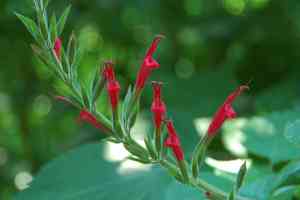
1
Pineapple sage flourishes in soils ranging from mildly acidic to neutral, with a pH between 6.5 and 7.5.
2
Consistent application of mulch aids in preserving soil hydration and inhibiting weed proliferation, fostering more robust Pineapple sage development.
3
Refrain from overhead watering to avert root decay and various fungal problems in Pineapple sage.
Optimal Soil Type for Pineapple Sage
Well-Drained Substrate
For Pineapple sage, a substrate that drains effectively is vital for robust development. This herbaceous perennial dislikes 'wet feet,' meaning it doesn't thrive in waterlogged conditions. Proper drainage prevents water from accumulating around the root system, which can cause root decay and plant demise. To enhance drainage, consider incorporating sand or perlite into the soil mixture. Ensuring your planting area has sufficient drainage can determine whether your plant flourishes or struggles.
pH Range
The perfect pH range for Pineapple sage soil is between 6.5 and 7.5, which is slightly acidic to neutral. A pH within this spectrum guarantees the soil provides an environment where nutrients are most readily available to the plant. Testing your soil's pH is essential prior to planting. If your soil pH falls outside this range, it can be adjusted by adding lime to increase the pH or sulfur to decrease it.
Organic Content
Abundant organic matter in the soil can significantly benefit Pineapple sage. Organic material, such as compost, not only supplies vital nutrients but also improves soil structure and moisture retention. Incorporate compost or well-rotted manure into your planting bed to create a nutrient-dense environment that supports healthy root development and vigorous growth.
Preparing Soil for Pineapple Sage Cultivation
Soil Analysis
Before planting Pineapple sage, performing a soil test is a prudent measure. Soil tests can reveal not only the pH level but also the nutrient composition of your soil. Based on the test results, you can make informed decisions about necessary amendments to establish an ideal growing environment. Most local agricultural extension services offer soil testing at a reasonable cost.
Soil Amendments
Once you have your soil test results, the next step is to modify the soil as needed. For instance, if the pH level is too low, adding lime can elevate it to the optimal range of 6.5 to 7.5. Enrich the soil with compost to enhance its texture and nutrient content. Organic fertilizers can also be added to provide essential nutrients. Working these amendments into the top 30 cm (12 inches) of soil ensures that the roots of your Pineapple sage have access to the resources they need to grow strong and healthy.
Maintaining Soil Health for Pineapple Sage
Consistent Mulching
Consistent mulching is an excellent practice for preserving soil health around your Pineapple sage. Mulch helps retain moisture, suppresses weed growth, and returns organic matter to the soil as it breaks down. Utilize organic mulches like straw, grass clippings, or wood chips. Apply a 5-7 cm (2-3 inch) layer around your plants, but avoid piling it directly against the stems to prevent rot.
Composting and Fertilization
Composting and appropriate fertilization are crucial for maintaining healthy soil. Periodically apply compost around the base of your Pineapple sage plants. This not only revitalizes the soil with organic matter but also provides slow-release nutrients. Additionally, lightly fertilizing in the spring with a balanced, all-purpose fertilizer can offer an essential nutrient boost. Organic options like fish emulsion or kelp meal are preferable to avoid chemical accumulation in the soil.
Preventing Soil Compaction
Soil compaction restricts root growth and water penetration, leading to unhealthy Pineapple sage. To prevent this, avoid walking on garden beds. Instead, use stepping stones or establish designated pathways. Regularly aerate the soil, especially in compacted areas, to improve its structure and increase air and water infiltration. Using a garden fork, gently loosen the soil around the plants to keep it light and airy.
Indicators of Soil Issues in Pineapple Sage
Suboptimal Growth
If your Pineapple sage is not developing as expected, it might signal soil problems. Stunted growth can result from nutrient deficiencies, inadequate drainage, or incorrect pH levels. Ensuring that the soil is well-draining, nutrient-rich, and within the correct pH range is vital for optimal development.
Leaf Yellowing
Yellowing leaves on your Pineapple sage could point to several issues, including nitrogen deficiency, improper pH, or excessive watering. A soil test can determine if there are nutrient deficiencies or pH imbalances. Adjusting watering practices and ensuring proper drainage can help resolve the problem.
Root Decay
Root decay is a serious problem for Pineapple sage, often caused by overly wet soil conditions. Symptoms include a wilting plant, discolored roots, and an unpleasant odor. To prevent root decay, ensure your soil drains well, avoid over-watering, and consider planting your Pineapple sage in raised beds or containers if drainage is poor.



