How Much Sunlight Do Pineapple sage Need?
1
Pineapple sage flourishes with over six hours of direct sun each day.
2
Recognize sun-related stress through alterations in leaf hue and drooping.
3
Supplemental grow lights can augment natural light indoors.
Optimal Light Conditions for Pineapple Sage
Full Sun Requirements
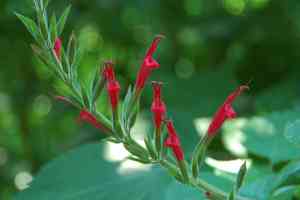
Pineapple sage thrives in full sun, flourishing with ample direct light. Ideally, position this plant where it receives at least six hours of direct sunlight daily. Full sun exposure promotes vibrant red blooms and robust development. However, it's crucial to monitor soil moisture as intense sun can rapidly dry out the growing medium.
Partial Shade Tolerance
While Pineapple sage prefers full sun, it can endure and grow in partial shade. In suboptimal light, the plant might produce fewer flowers, and its growth could be somewhat hindered. If you reside in an area with extremely hot afternoons, offering partial shade during the day's hottest period can prevent leaf scorch and stress.
Prime Locations for Planting Pineapple Sage
Outdoor Planting Spots
When selecting an outdoor site for Pineapple sage, choose a spot that gets plenty of morning sun followed by some afternoon shade. Consider garden beds near a wall or fence that offers protection from intense afternoon heat. Ensure the soil drains well to prevent root rot, as Pineapple sage prefers slightly dry conditions.
Indoor Cultivation Advice
If cultivating Pineapple sage indoors, place it in the sunniest window available, ideally one facing south or west. Rotate the plant periodically to ensure uniform growth on all sides. If natural light is insufficient, use supplemental artificial grow lights. Keep the plant within 12 to 18 inches (30 to 45 cm) of the light source to simulate natural sunlight exposure.
Identifying Sunlight-Related Stress in Pineapple Sage
Signs of Excessive Sun
Pineapple sage exposed to too much sunlight may exhibit signs of sunburn, including brown or crispy leaf edges and scorched patches on foliage. Leaves might also appear pale or bleached. If these symptoms are observed, consider moving the plant to a less intense light location or providing partial shade during peak sun hours.
Symptoms of Insufficient Light
If Pineapple sage isn't receiving enough light, it may display symptoms such as elongated or leggy growth, dull or yellowing leaves, and reduced flowering. In severe cases, the plant may become weak and more vulnerable to pests and diseases. Relocating the plant to a brighter area or providing supplementary lighting can help resolve these issues.
Adjusting Sunlight Exposure for Healthy Growth
Seasonal Sunlight Adjustments
Pineapple sage may need altered sunlight exposure based on seasonal shifts. During summer, consider providing partial shade to shield the plant from intense afternoon sun. Conversely, in winter, maximize sunlight exposure by placing the plant in the brightest available spot and cleaning windows to allow maximum light penetration.
Utilizing Artificial Lights
Artificial grow lights can be a valuable tool for growing Pineapple sage indoors, especially during short winter days or in low-light environments. Use full-spectrum fluorescent or LED grow lights, scheduled for approximately 12-16 hours daily, to mimic natural sunlight. Position the lights 12-18 inches (30-45 cm) above the plant and adjust as needed to prevent overheating the leaves.



