How to Prune Pineapple sage?
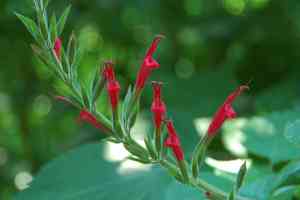
This appealing perennial herb, recognized for its vibrant crimson blossoms and exotic fragrance, flourishes with proper trimming. For pineapple sage, consistent nipping of the terminals fosters denser development, while reducing its size by one-third after blooming enhances its well-being. Perform pruning in spring to sculpt and revitalize, with occasional refinements during summer and autumn to eliminate faded blooms and boost flowering. Trimming also deters etiolation, guaranteeing a more condensed and attractive form. Always employ sanitized, keen implements for accurate incisions.
What Are the Benefits of Pruning Pineapple Sage?
What Are the Benefits of Pruning Pineapple Sage?
Trimming pineapple sage promotes abundant flowering, stimulates robust plant development, and maintains a desirable, compact structure. Regular cutting helps prevent legginess, ensuring a lush, aesthetically pleasing form.
What Is the Best Time for Pruning Pineapple Sage?
What Is the Best Time for Pruning Pineapple Sage?
Pruning in Spring enables pineapple sage to recover quickly during its active growth period, leading to a healthier and denser plant. Early Summer pruning, shortly after the initial bloom, encourages a second flowering and prevents pineapple sage from becoming sparse. Late Fall pruning is ideal for shaping and preparing pineapple sage for winter dormancy, but should occur after the last flowering to avoid negatively impacting the blooming cycle.
What Tools Do I Need to Prune Pineapple Sage?
Hand Pruners
Pineapple sage typically requires a tool that allows for precise cuts to maintain its shape and remove dead or damaged stems without harming the remaining healthy plant. Hand pruners, also known as secateurs, are ideal for this task due to their size and sharpness, suitable for cutting through stems up to 3/4 inch in diameter.
Pruning Shears
For shaping pineapple sage or making multiple quick snips on thinner stems and foliage, pruning shears can be convenient. They are similar to hand pruners but usually have longer blades and are shaped to facilitate quick trimming of soft plant tissue.
How to Prune Pineapple Sage
Remove Diseased Parts
Examine pineapple sage for any indications of disease on leaves or stems. Carefully remove all diseased leaves and any other affected plant material using clean, sharp pruning shears. Ensure cuts are made back to healthy tissue to prevent disease spread.
Trim Withered Leaves
Identify withered or dead leaves on pineapple sage. Gently trim these leaves at their base, close to the main stem, taking care not to damage new growth or healthy tissue. This helps improve air circulation and focuses the plant's energy on healthy growth.
Deadhead Flowers
Remove spent flowers from pineapple sage to encourage new blooms and maintain a neat appearance. Deadhead by snipping the flower stem just above the first set of healthy leaves. Regular deadheading can also prolong the blooming period.
Shape Plant
Shape pineapple sage by selectively trimming back leggy stems to maintain a desirable plant form and size. Cut back to just above a leaf node where new growth is desired. This step enhances air flow and allows light to reach the center of the plant.
Cleanup
After pruning pineapple sage, clean up all trimmings from around the plant to discourage pests and disease. Dispose of any diseased material in the trash, not in the compost, to prevent contaminating other plants.
Common Pruning Mistakes with Pineapple Sage
Over-Pruning
Removing too much foliage at once can stress pineapple sage, hindering its ability to photosynthesize and grow properly.
Uneven Cuts
Making jagged or sloping cuts can damage pineapple sage and lead to disease entry or poor healing.
Pruning Too Close
Cutting too close to the main stems or leaves can cause injury to pineapple sage, affecting its overall health and appearance.
Ignoring Dead Or Diseased Growth
Failing to remove dead or diseased branches can allow problems to spread, impacting pineapple sage's vitality.
Disregarding Shape
Lack of attention to maintaining the natural shape of pineapple sage during pruning can result in an unbalanced and unattractive plant.
Using Dull Tools
Pruning with dull blades can crush or tear pineapple sage's stems, impeding proper wound healing and possibly introducing disease.
Common Pruning Tips for Pineapple Sage
Clean Cuts
Use sharp pruning shears to make clean, straight cuts on pineapple sage to promote better healing and decrease the risk of disease.
Gradual Pruning
Prune pineapple sage gradually, never removing more than one-third of the plant at a time to avoid unnecessary stress.
Proper Placement
When cutting back pineapple sage, leave a few inches of growth above the ground to ensure the plant can resprout healthily.
Deadheading
Snip off spent flowers of pineapple sage to encourage more blooming and prevent the plant from putting energy into seed production.
Reshaping
Prune pineapple sage while keeping its natural form in mind, fostering an attractive silhouette and healthy growth pattern.
Sanitization
Always sterilize pruning tools before and after working on pineapple sage to minimize the spread of pests and diseases.



